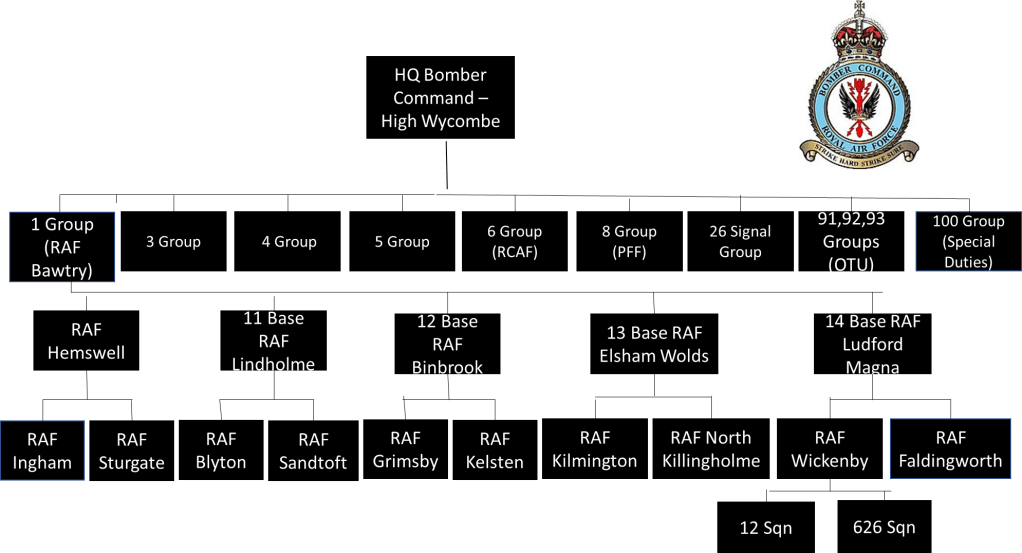
A very quiet week for 12 Sqn with no missions flown and no casualties. It may help readers to understand the chain of command for Bomber Command, from the Commander in Chief down to 12 and 626 Sqns at RAF Wickenby. Below is a chart I’ve put together that helps to explain it. Bomber Command was broken down into Groups, commanded by an Air Vice Marshall, then to Station Bases, commanded by an Air Commodore then to individual Stations, commanded by a Group Captain, and finally to the squadrons, commanded by a Wing Commander, based on those stations. As can be seen, RAF Wickenby was part of 1 Group and the Base Station was Ludford Magna, just outside Market Rasen.
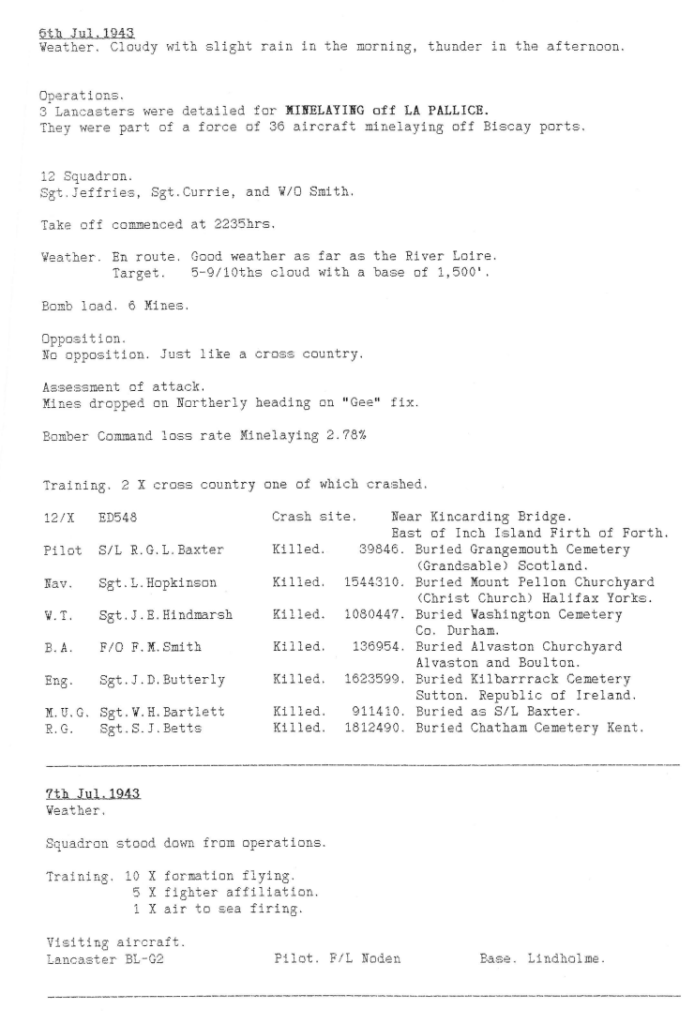
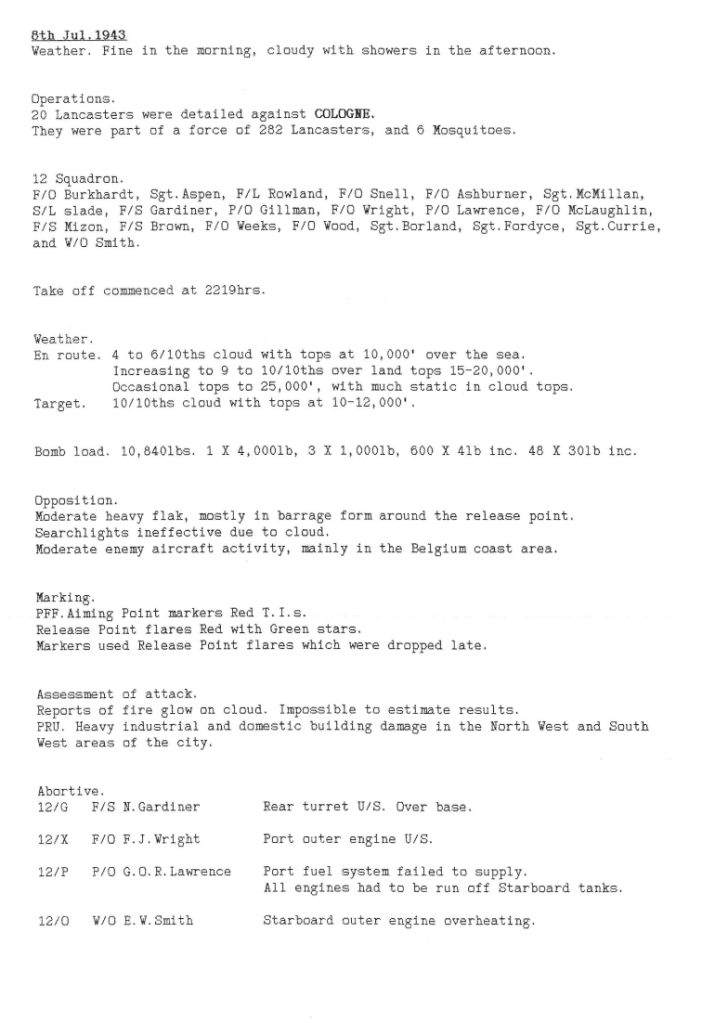
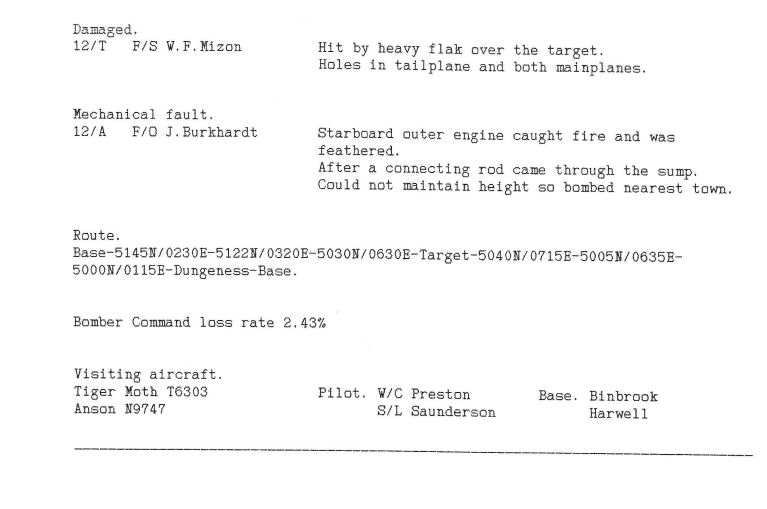
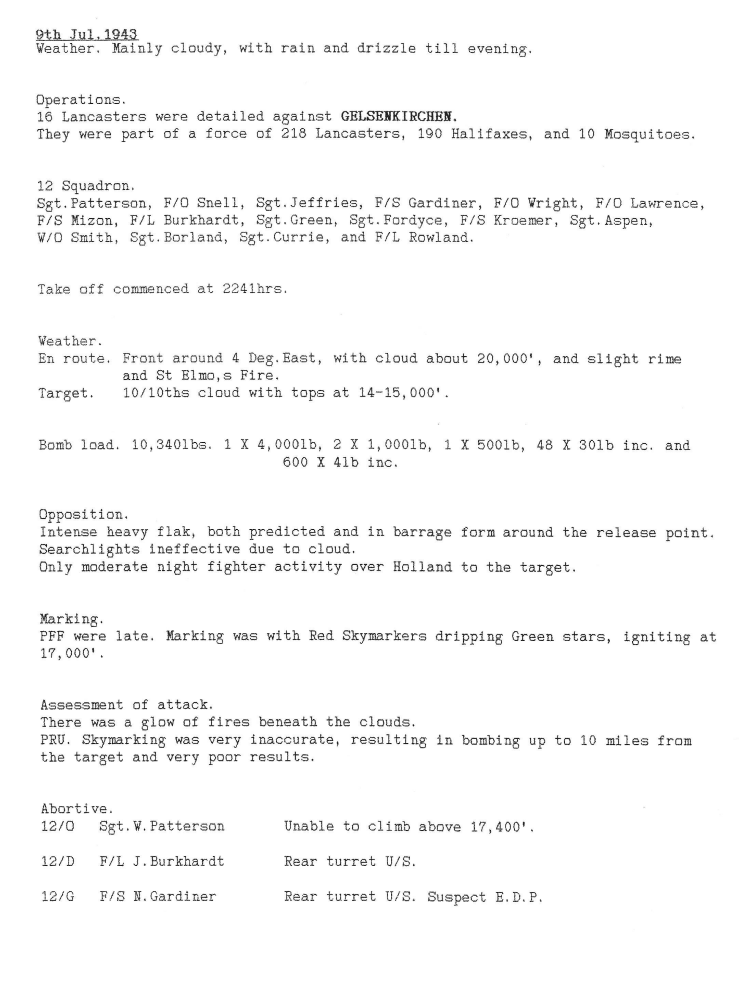
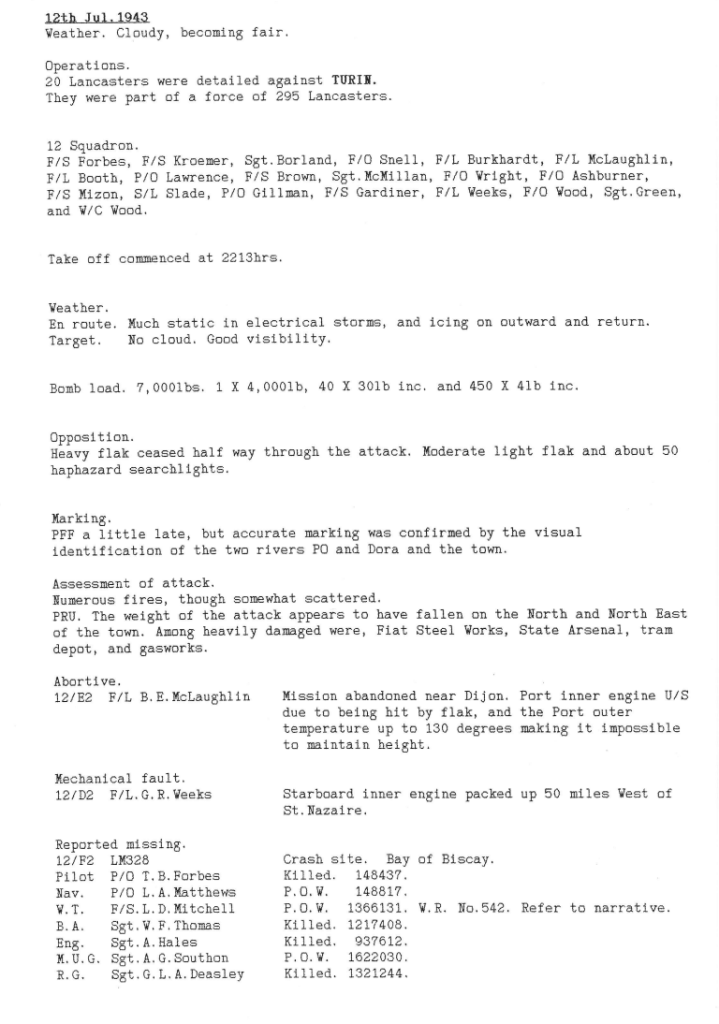
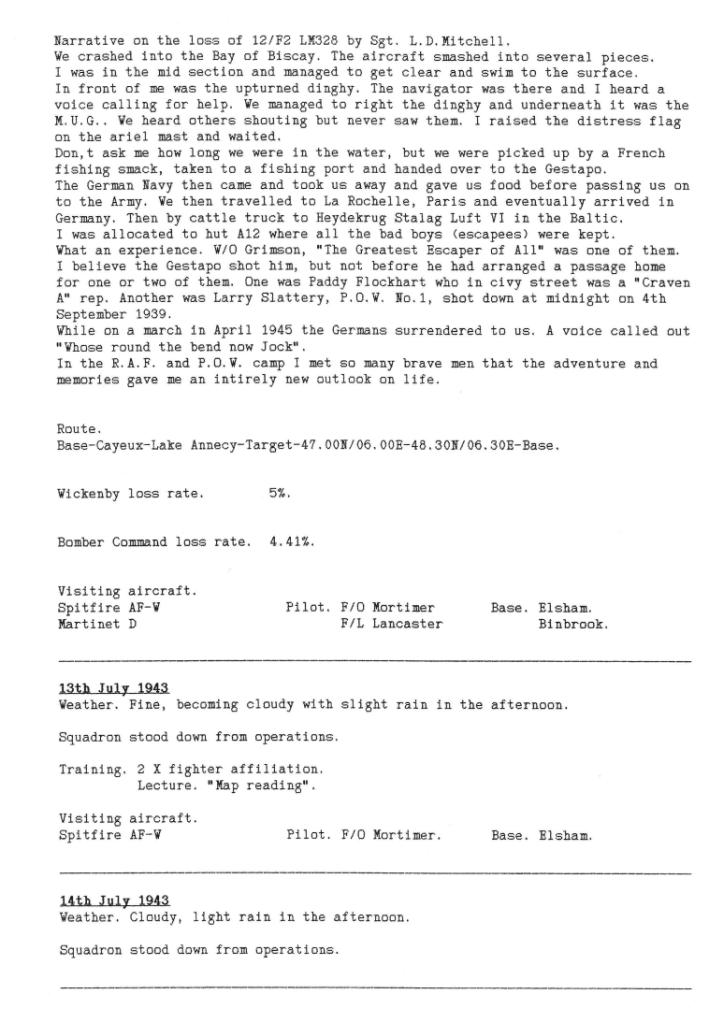
12 Sqn took part in one minelaying mission and three bombing operations this week, to Cologne, Gelsenkirchen and Turin. Two aircraft were lost on operations and one during a training exercise – 18 aircrew were killed and 4 became prisoners of war. Operations to Italy must have been pretty spectacular as the Lancasters had to fly over the Alps both out and back. This particular raid was the most successful of the ten against Turin carried out by Bomber Command.
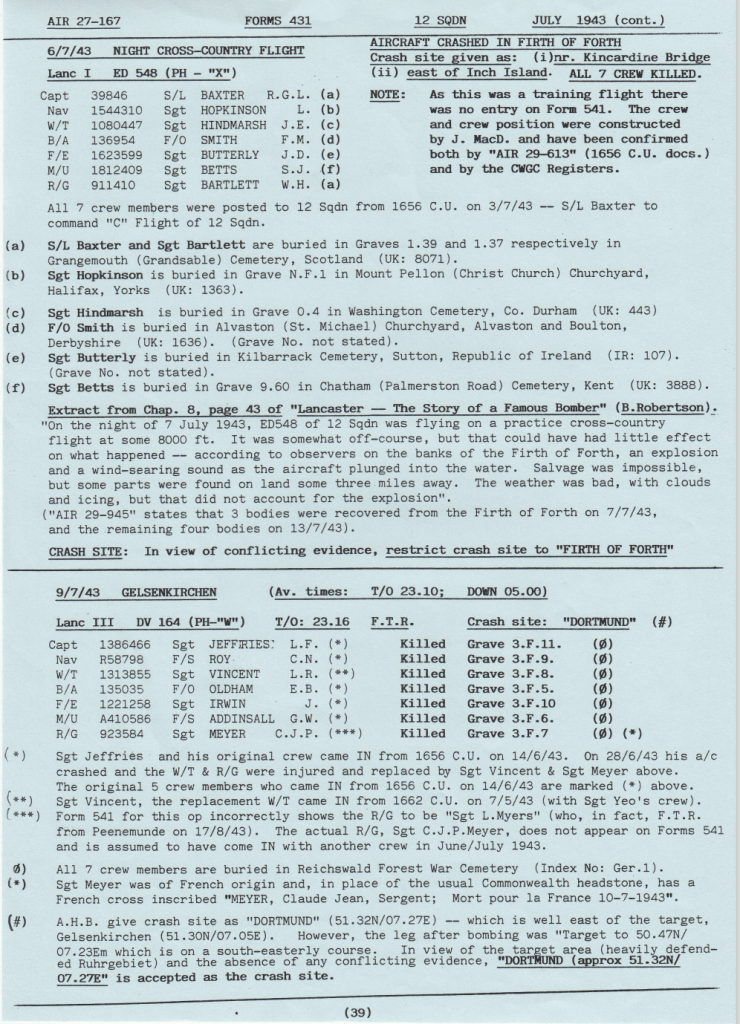
There is some mystery about the aircraft that crashed into the Firth of Forth on a training flight, with some suggestions of sabotage, and there are plans to raise the aircraft to see if it can be established what the actual cause of the accident was.
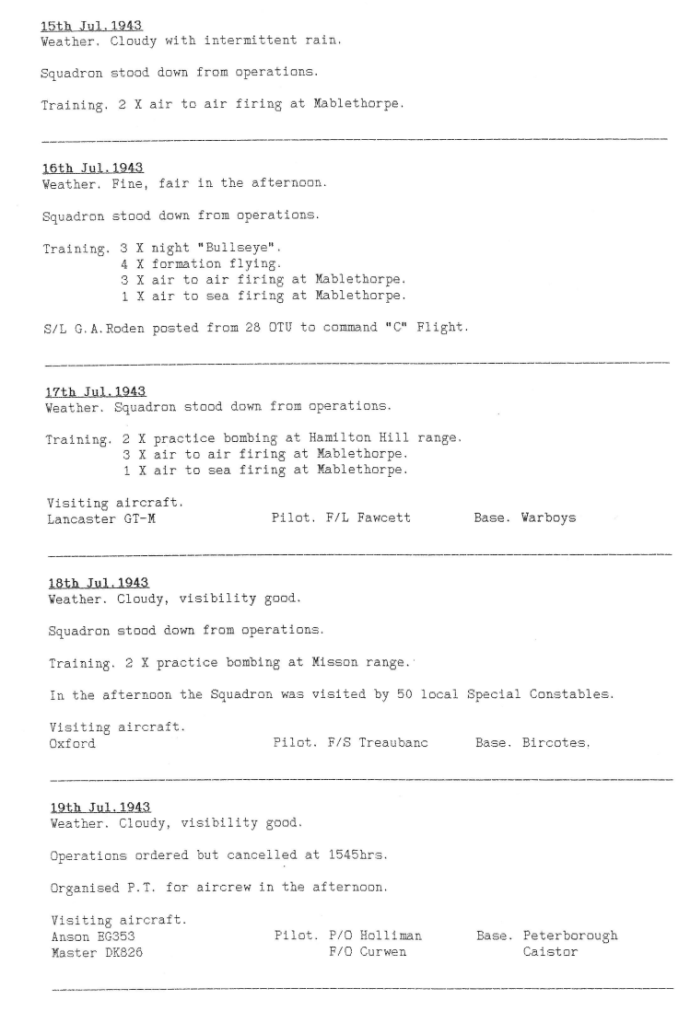
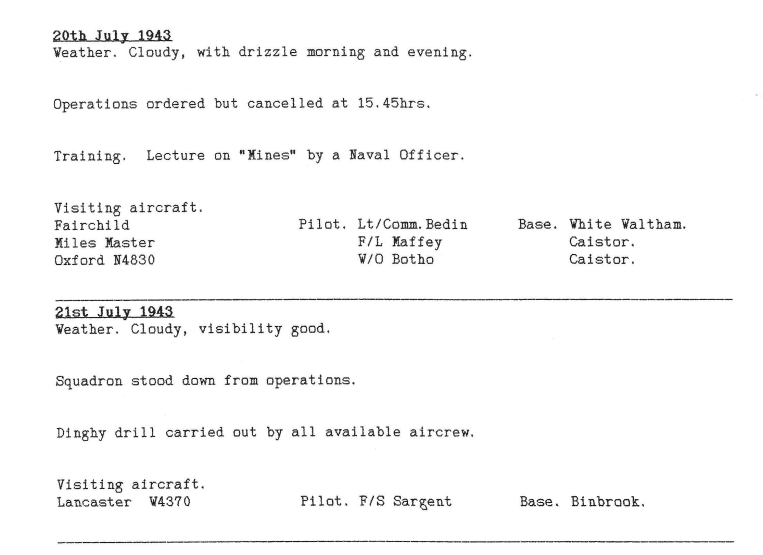
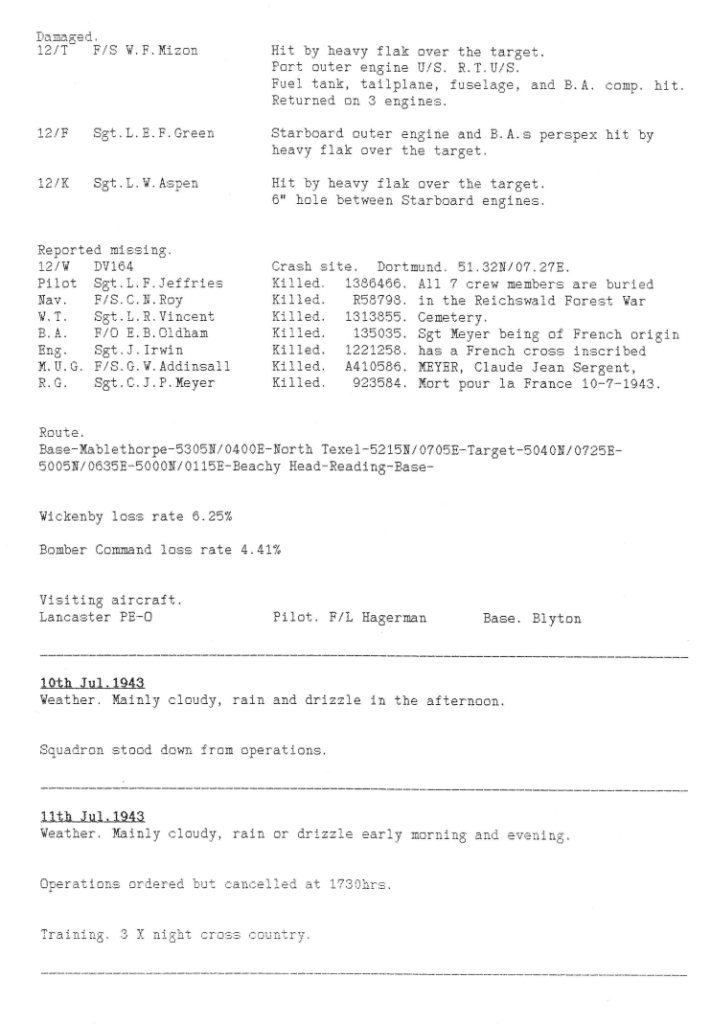
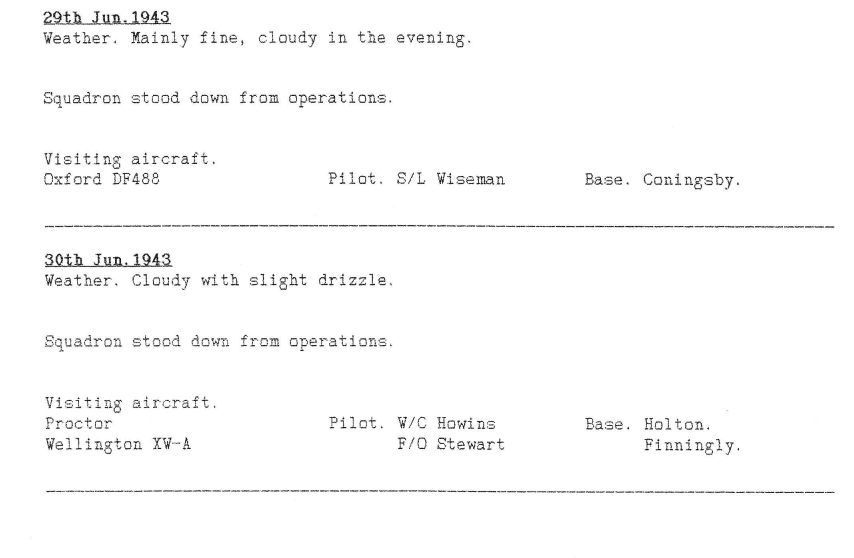
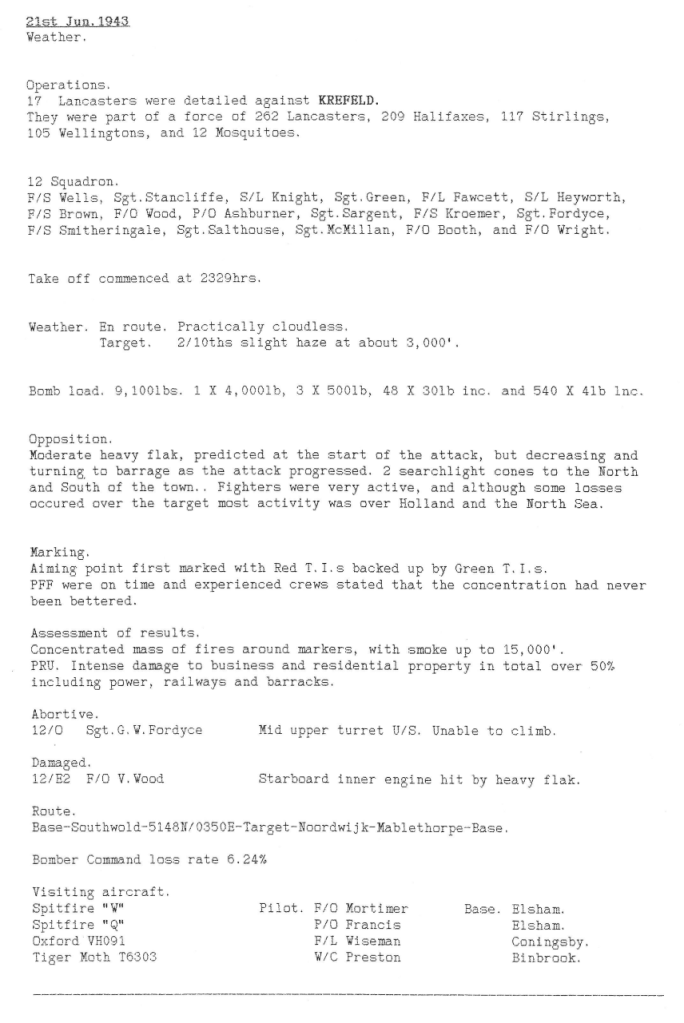
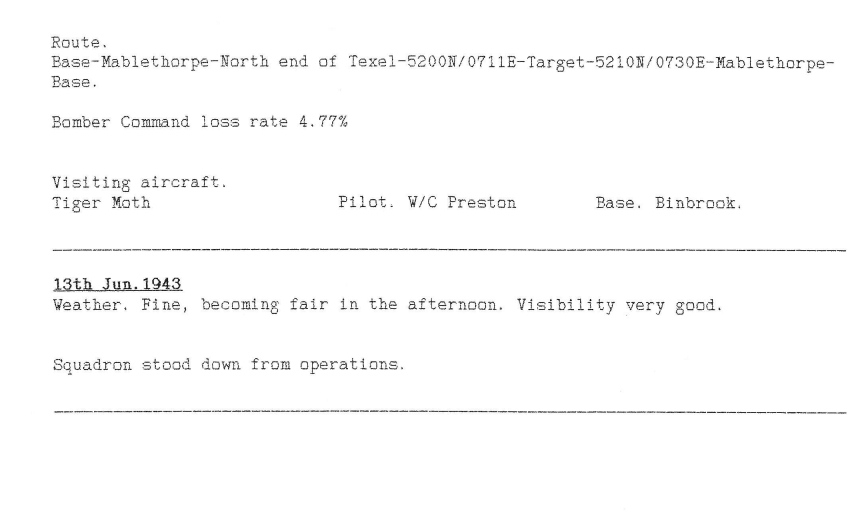
Extract from Station Diary
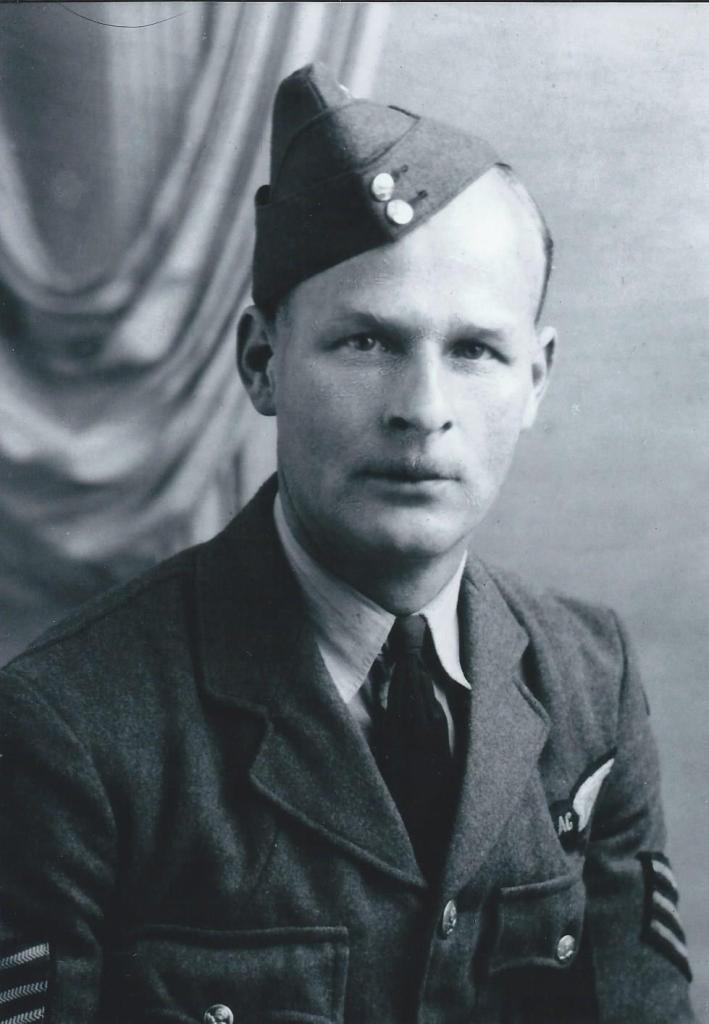
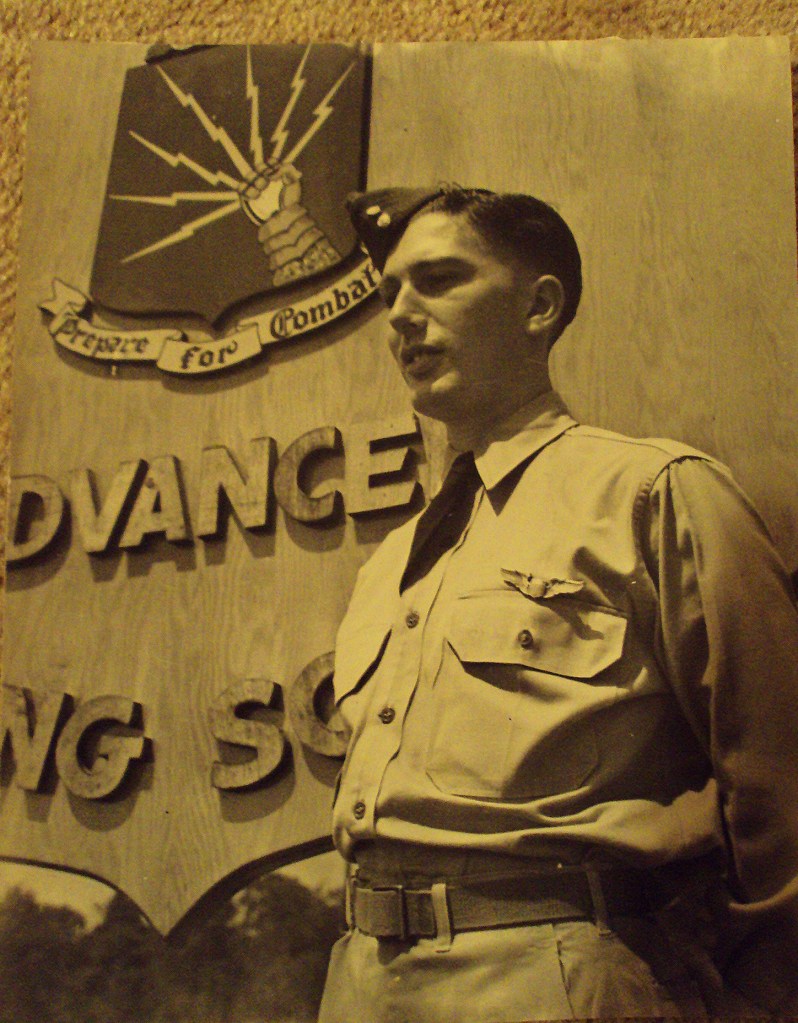
Sgt Sydney James Betts, aged 34, from Chatham, the rear gunner in the aircraft that crashed into the Firth of Forth. He was one of the older aircrew, whose average age was 22.Sgt John Ernest Hindmarch, aged 22, the son of Matthew & Mary Hindmarch of Washington Station, County Durham. He was the Wireless Operator in the aircraft that crashed into the Firth of Forth.
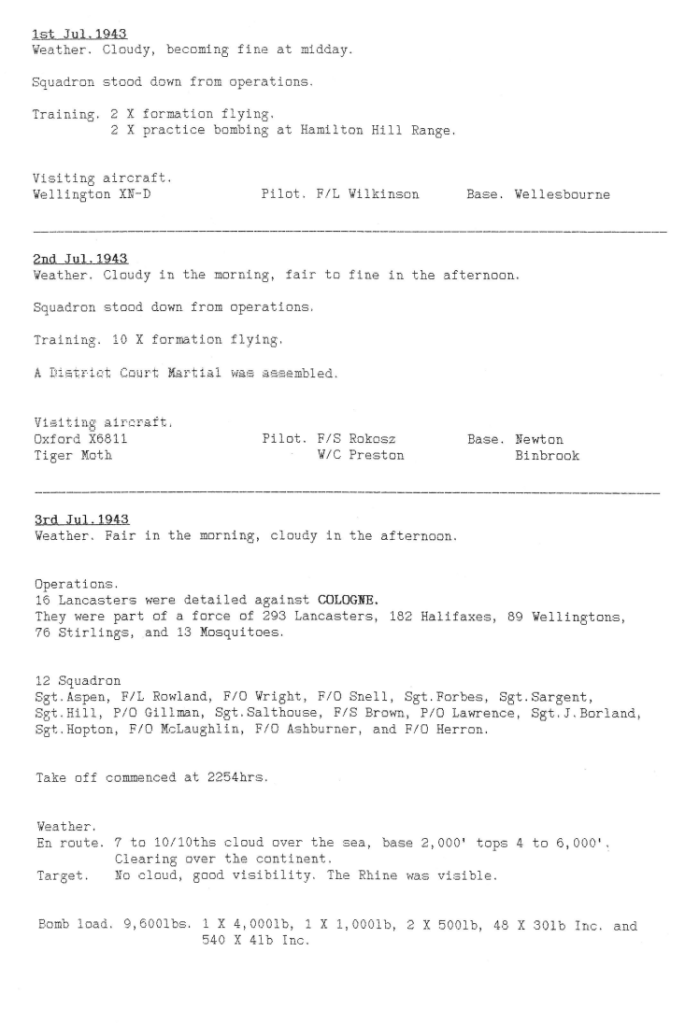
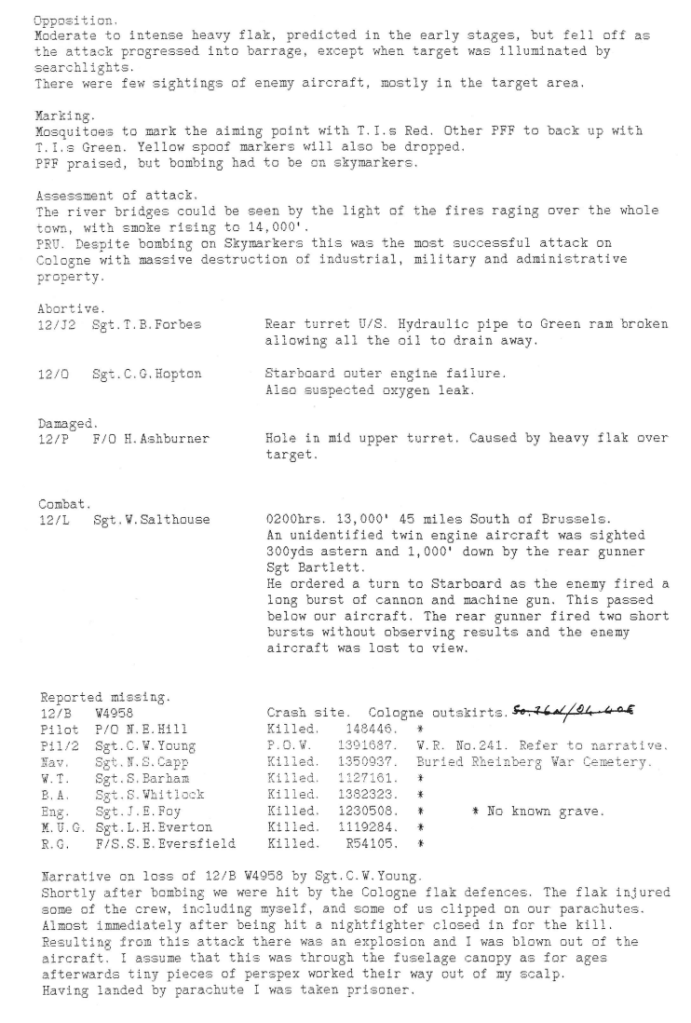
Extract from Appendix to 12 Sqn Operational Record Book
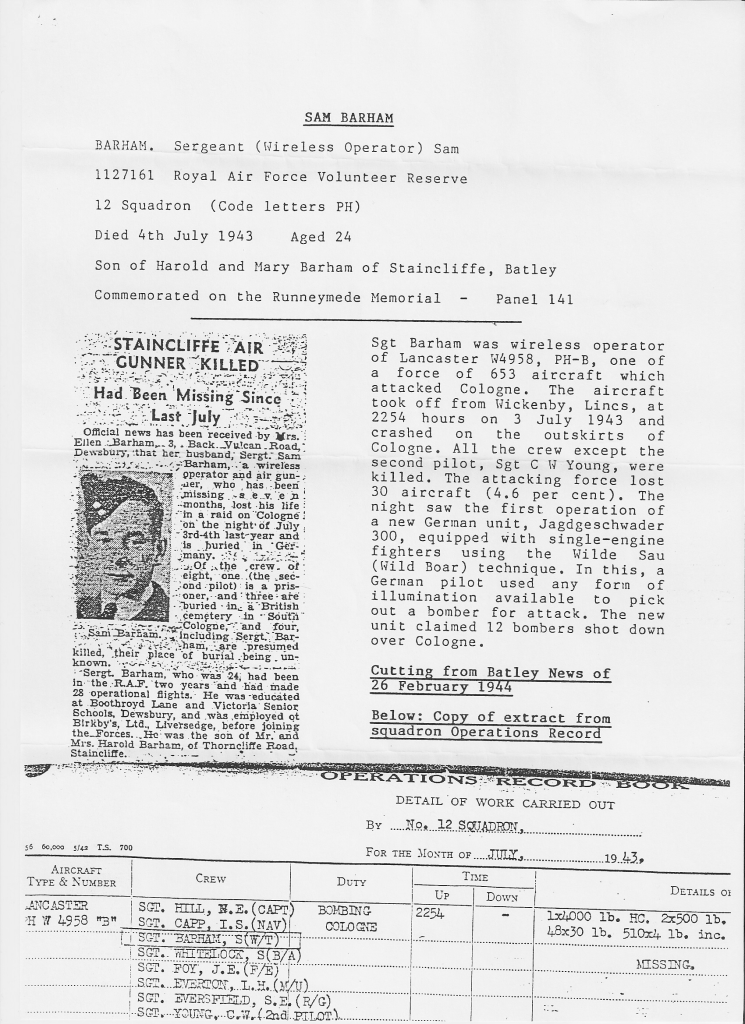
Two aircraft and 13 aircrew were lost this week, all during the attack on Cologne on 3/4 July. That night saw the first operations of a new German unit, Jagdgeschwader 300, equipped with single-engined fighters using the “Wilde Sau” (Wild Boar) technique.
Wilde Sau (Lit. wild sow; generally known in English as “Wild Boar”) was the term given by the Luftwaffe to the tactic used from 1943 to 1944 during World War II by which British night bombers were engaged by single-seat day-fighter aircraft flying in the Defence of the Reich.
It was adopted when the Allies had the advantage over German radar controlled interception. The fighters had to engage the British bombers freely as they were illuminated by searchlight batteries, while avoiding their own anti-aircraft fire. After some initial successes, rising losses and deteriorating weather conditions led to the abandonment of the tactic. Wikipedia
Simultaneous with Wilde Sau, Zahme Sau (Tame Boar) was introduced, in which the twin-engined night fighters in the Himmelbett system using individual ground-controlled interception were released. The fighters flew against the bomber stream in a co-ordinated operation over a wide area, guided by a running commentary derived from radar, ground observation, wireless interception and contact reports from aircraft tracking the bomber stream. Audio and visual beacons were used to assemble the fighters, which circled the beacons until the target was known and then intercepted the bombers, above a height beyond which the flak did not fire. Wikipedia
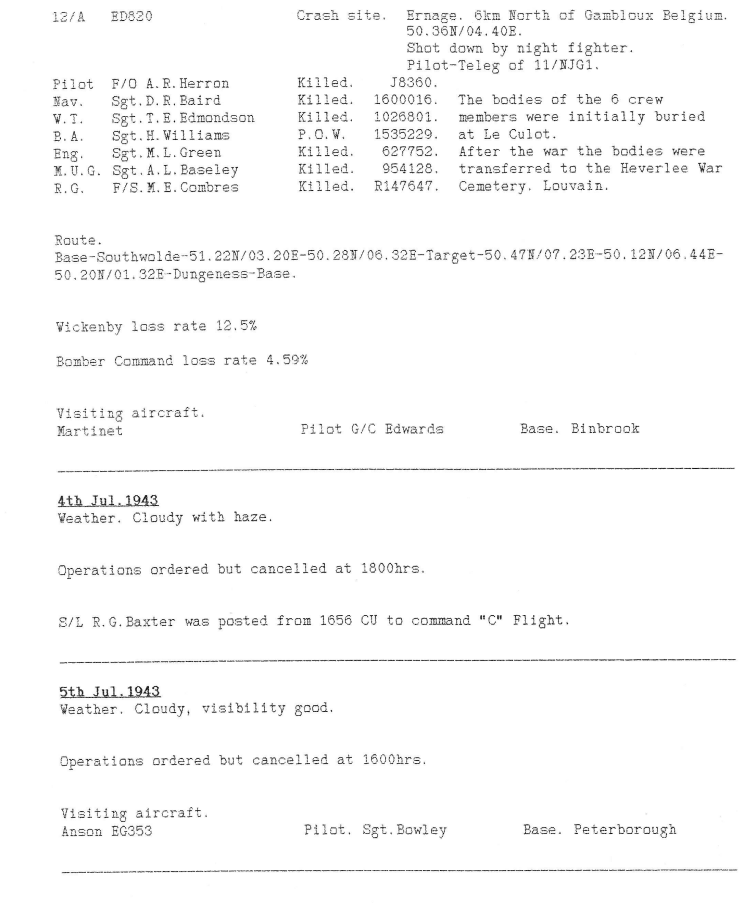
Extract from Station Diary
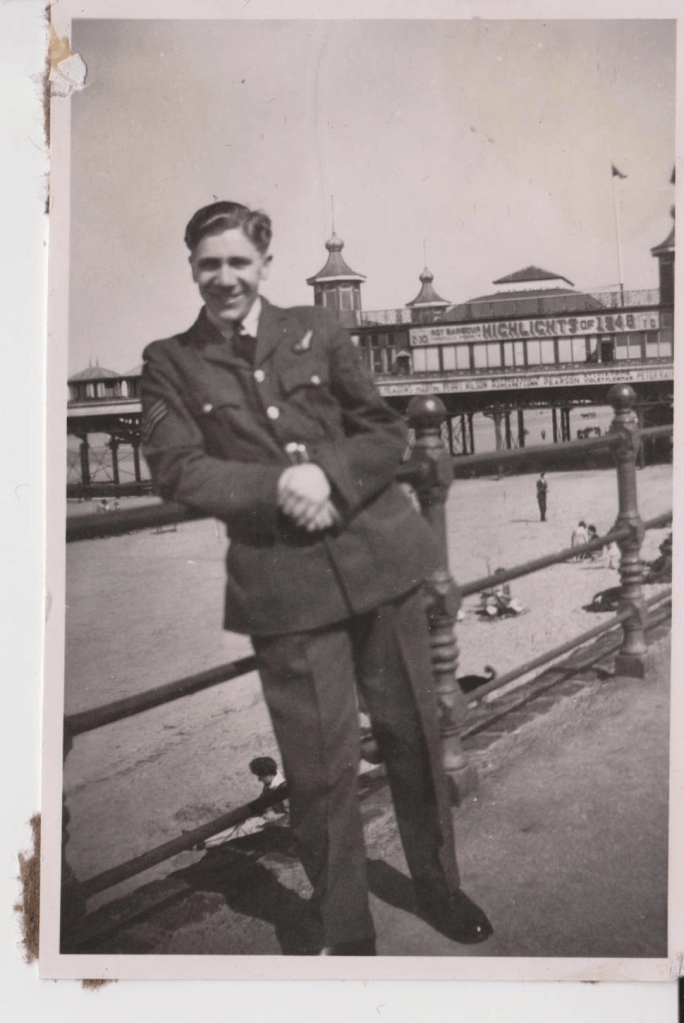
Details of Sgt Sam Barham, who was killed in Sgt Hill’s aircraftSgt Thomas Eric Edmondson, aged 21, the son of Thomas Thompson Edmondson & Emily May Edmondson of Bowerham, Lancaster. He was the Wireless Operator in Fg Off Herron’s aircraft and was one of the six aircrew who were killed when the aircraft was shot down by a night fighter
Extract from Appendix to 12 Sqn Operational Record Book
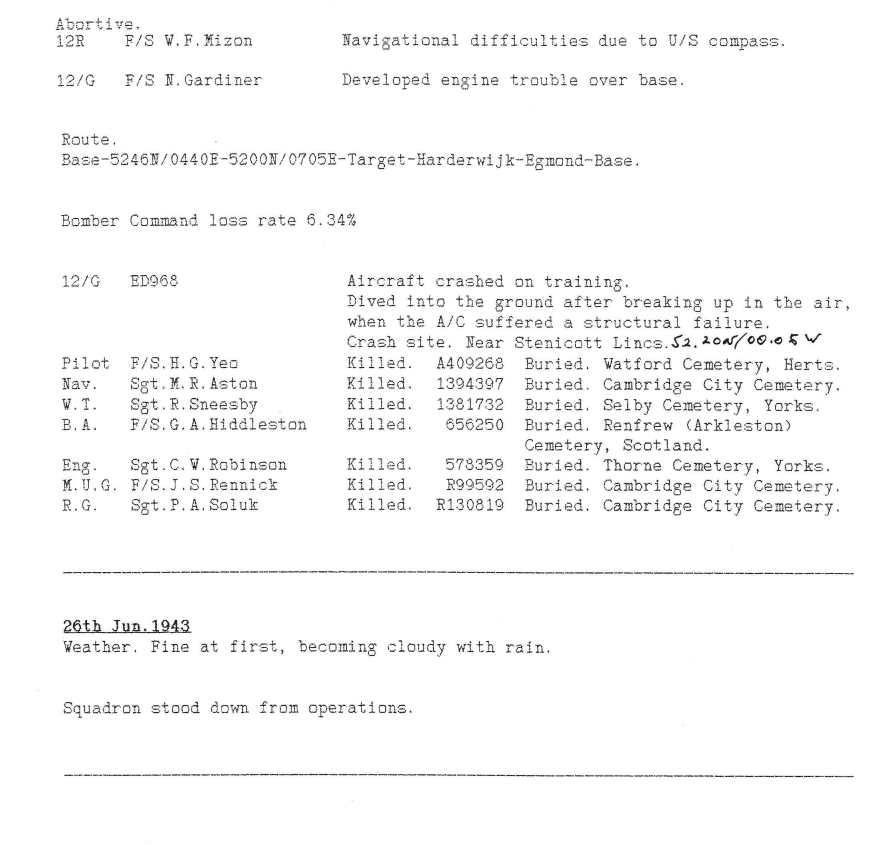
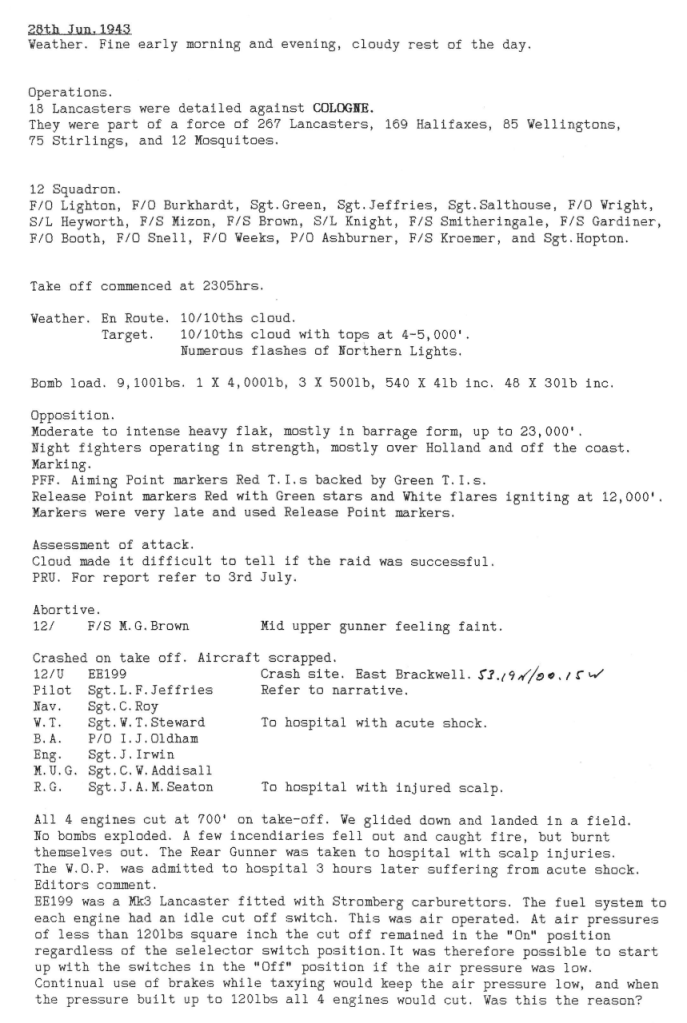
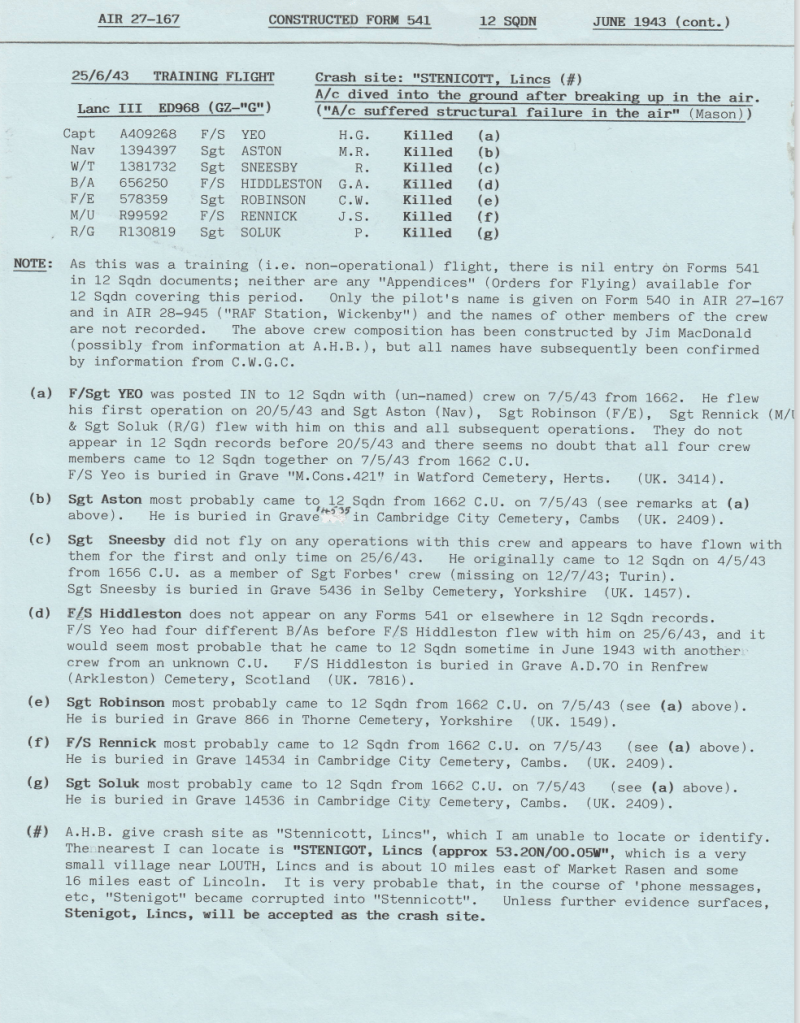
12 Sqn lost 3 aircraft this week, although only one of them was on operations, the others were on take-off and during a training flight. Of the over 55,500 aircrew killed serving in Bomber Command during WW 2, more than 7,700 were killed in training accidents. A lot of training was carried out by those crews who had completed their 30 missions of an operational tour, and it was the opinion of many of these men that training new crews to fly 4-engined bombers was as dangerous as flying an operation to Berlin or the Ruhr.
Extract from Station Diary
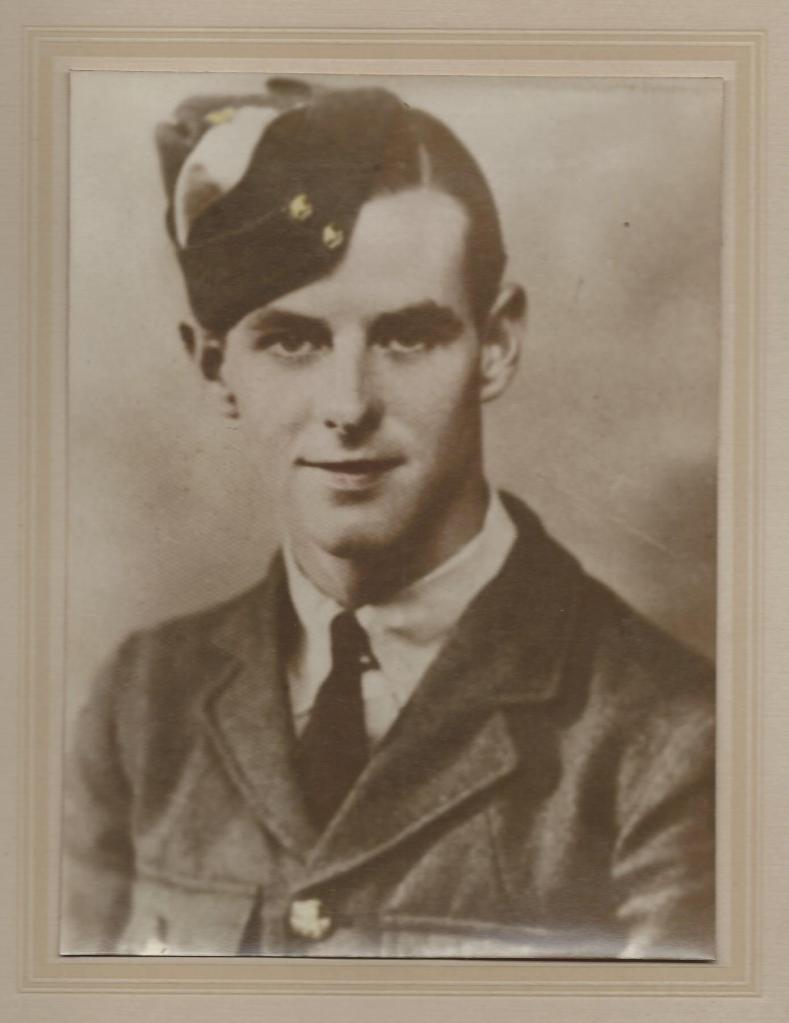
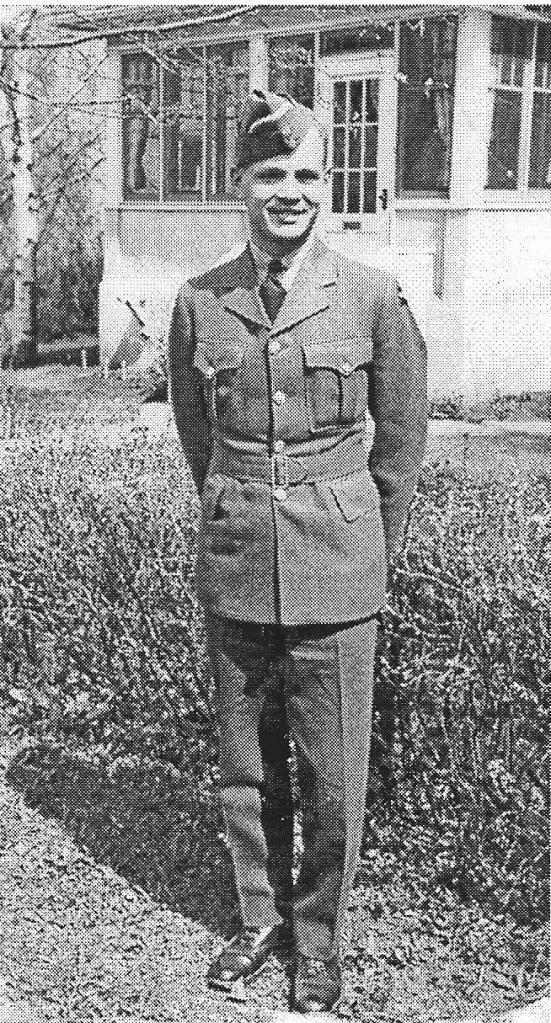
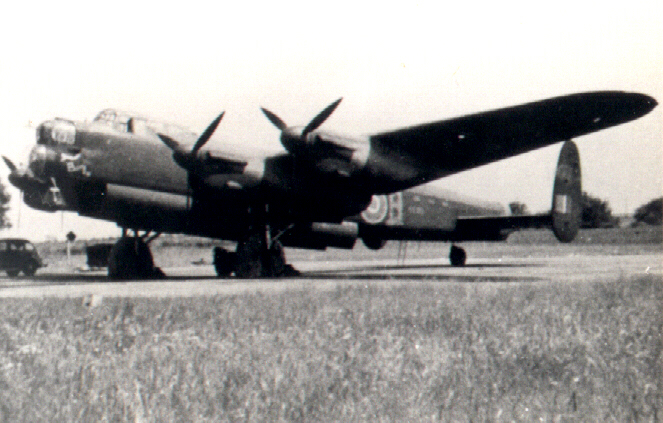
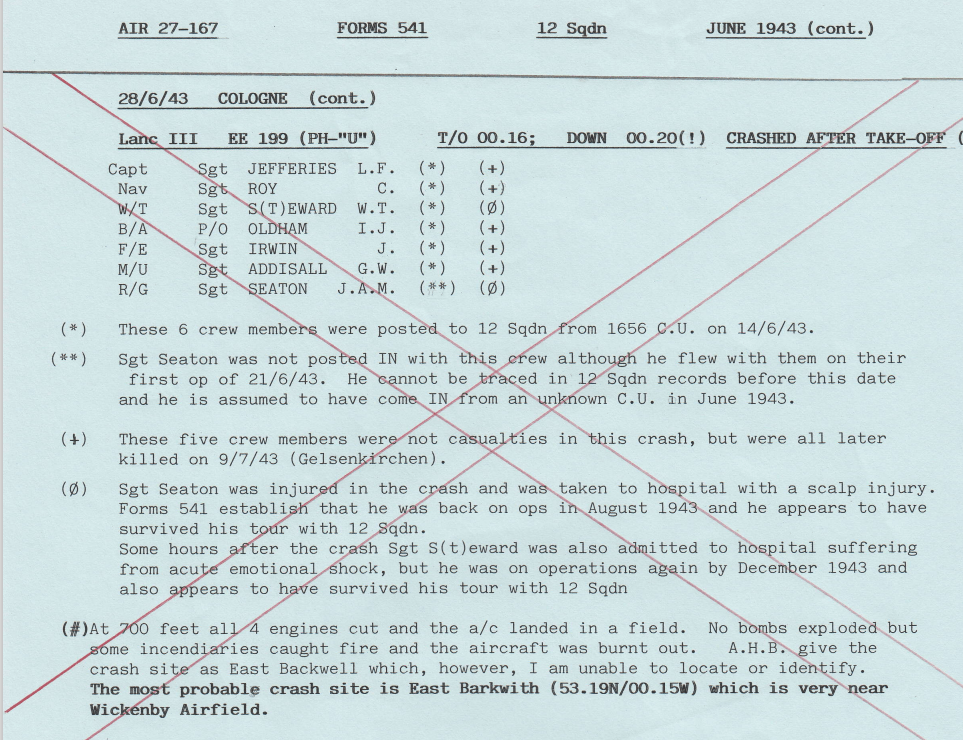
Sgt Reginald Sneesby, aged 21, the son of Arthur William & Emily Sneesby of Selby. He was the Wireless Operator in the aircraft of Sgt Yeo, which crashed during a training exercise. All were killed.Sgt Paul Soluk, aged 24, the son of Dymetro & Franciska Soluk of Sawdy, Alberta, Canada. He was the Mid-Upper Gunner in Sgt Yeo’s aircraft.The aircraft Sqn Ldr Knight was flying when it crashed during the Cologne raid on 28th June – all the crew were killed
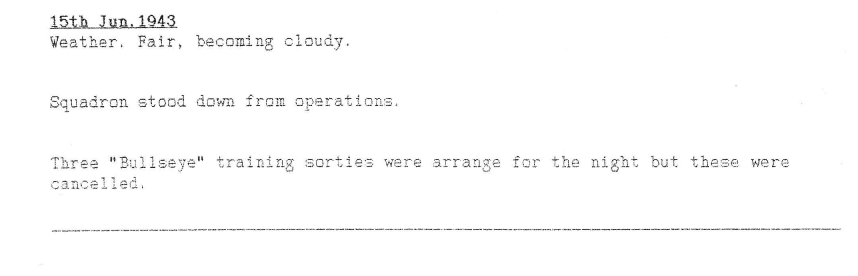
Extract from Appendix to 12 Sqn Operational Record Book
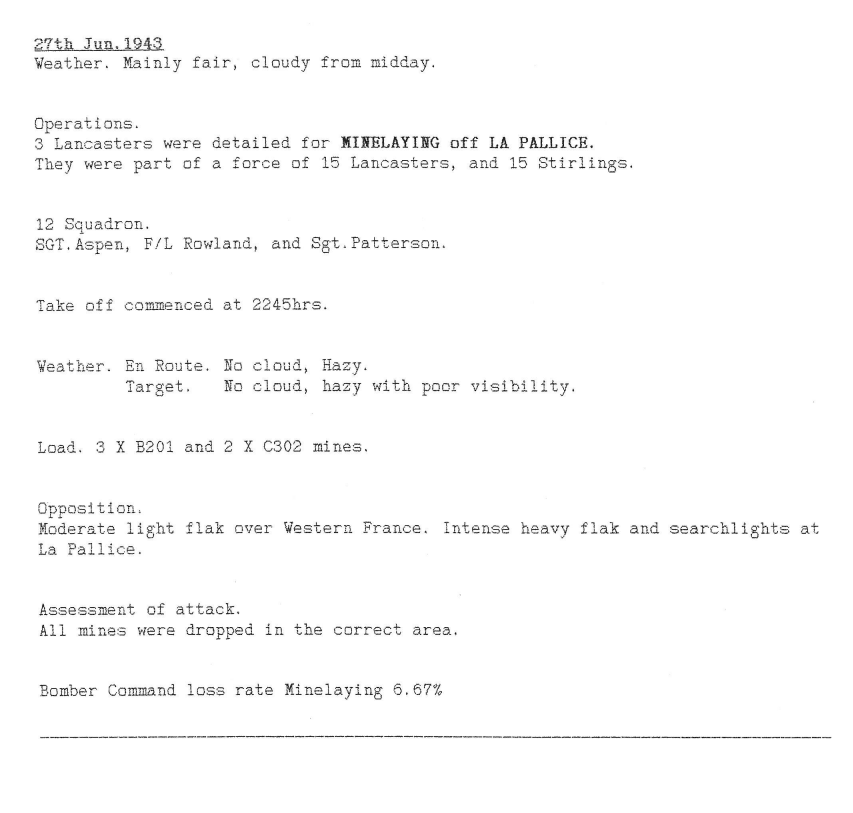
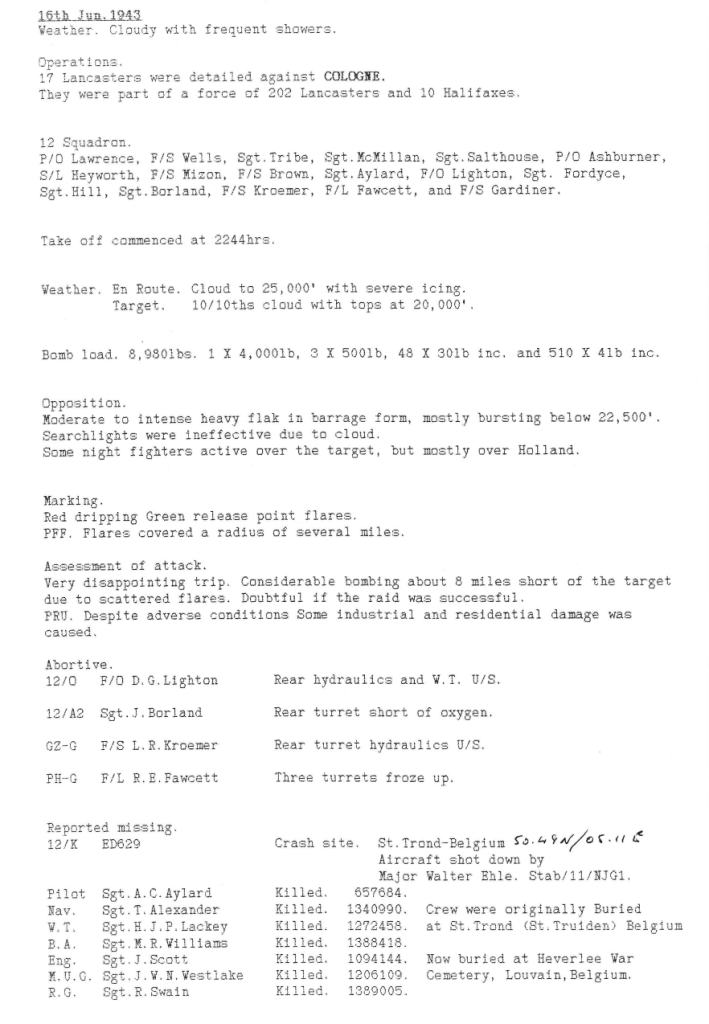
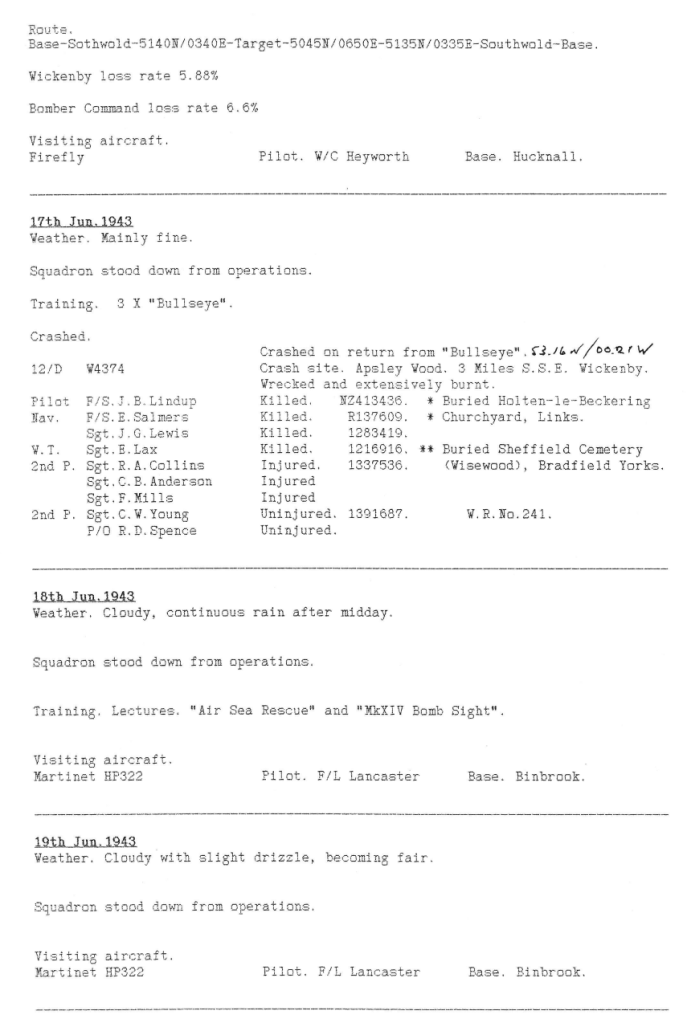
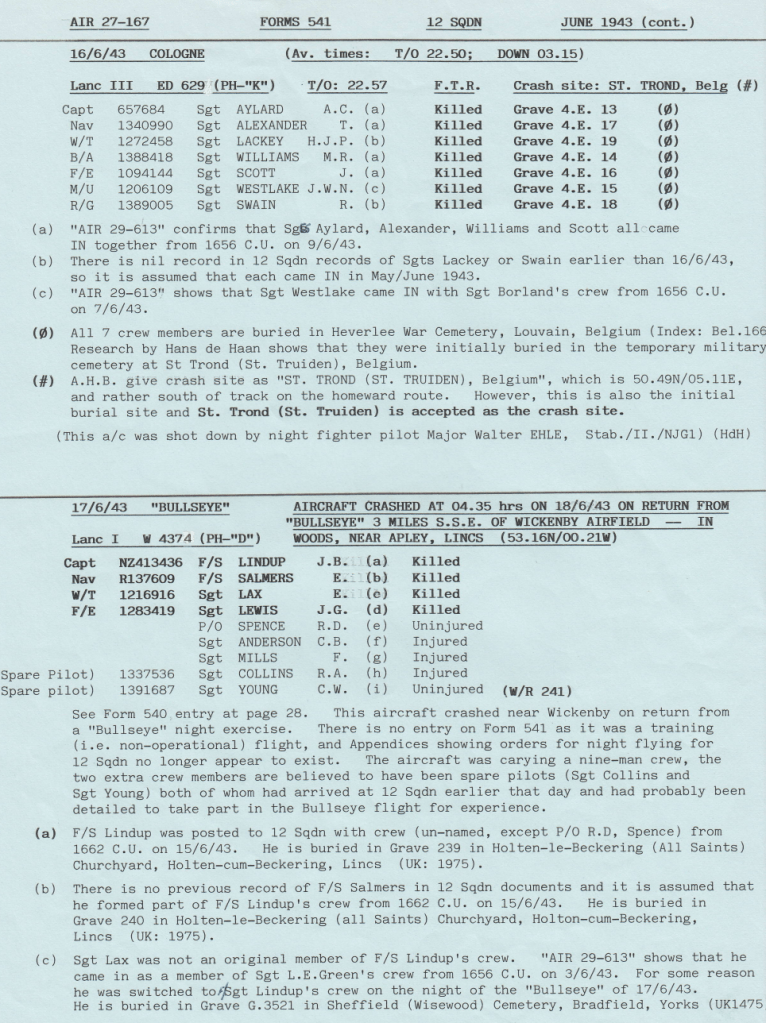
During this week 12 Sqn carried out 2 attacks in Germany, to Cologne and Krefeld and a mine laying mission off the River Gironde in France. One aircraft was lost, with all the crew, during the Cologne attack and one aircraft was lost on a training exercise, with 4 crew members killed. It is interesting that there were 2 “second dicky” pilots in this aircraft, who both survived, having only arrived at RAF Wickenby that day – some welcome to RAF operational flying!
Sgt Henry Joseph Patrick Lackey, the Wireless Operator in Sgt Aylard’s aircraft, lost in Belgium during the Cologne operation, was the son of Pte Henry Thomas Lackey, Duke of Wellington’s Regt (killed in action in Belgium 21/09/1917) & Hannah Sarah Lackey. Therefore, both father and son were killed and are buried in Belgium. Sometimes fact can be stranger than fiction.
Extract from Station Diary
Flight Sergeant Ronald Alfred Collins, who was a “second dicky” pilot in the aircraft that crashed during a training exercise, but who was later killed in an operation to Hannover on 9th October 1943
Extract from Appendix to 12 Sqn Operational Record Book
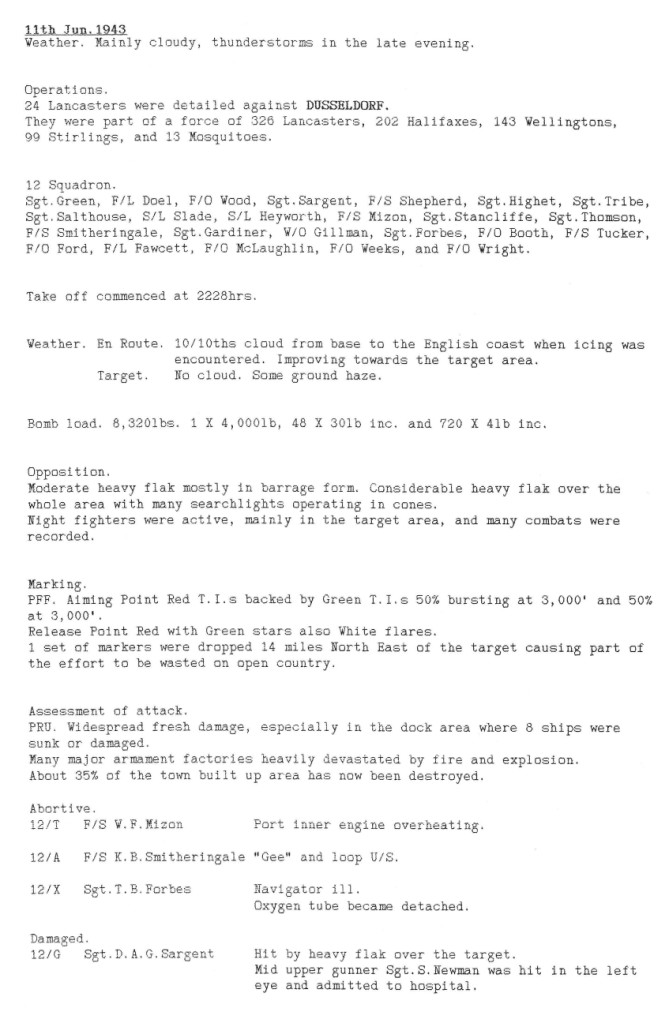
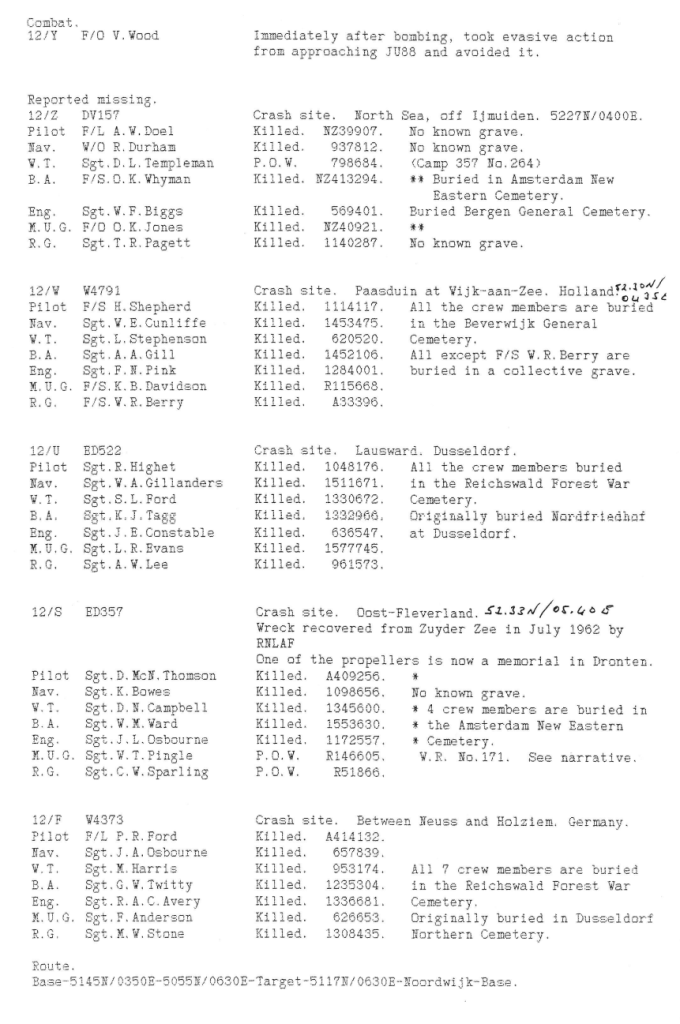
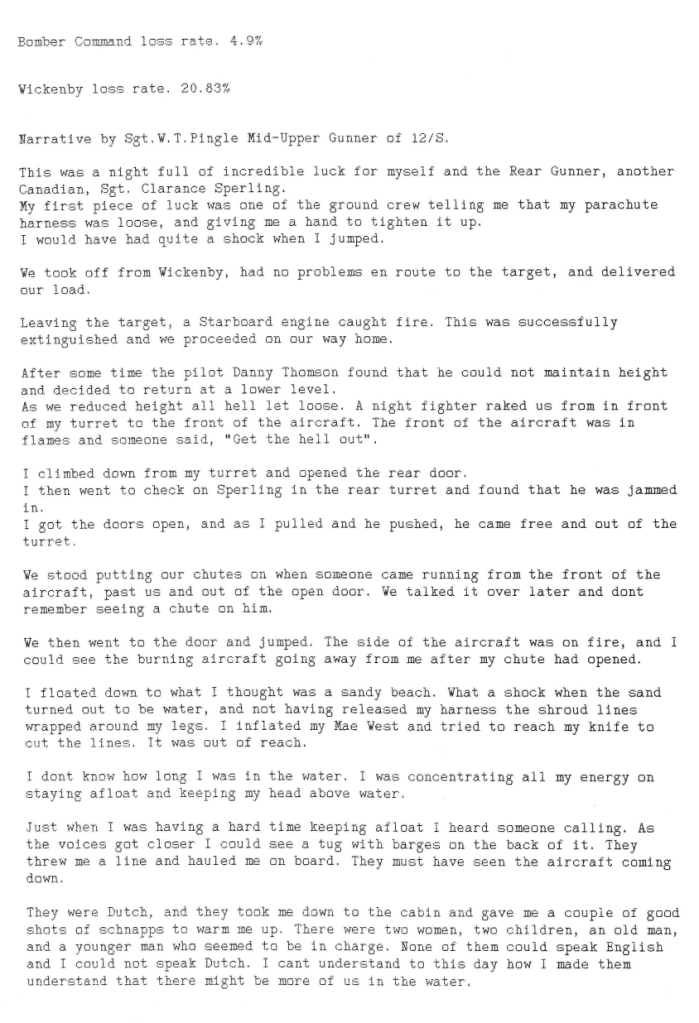
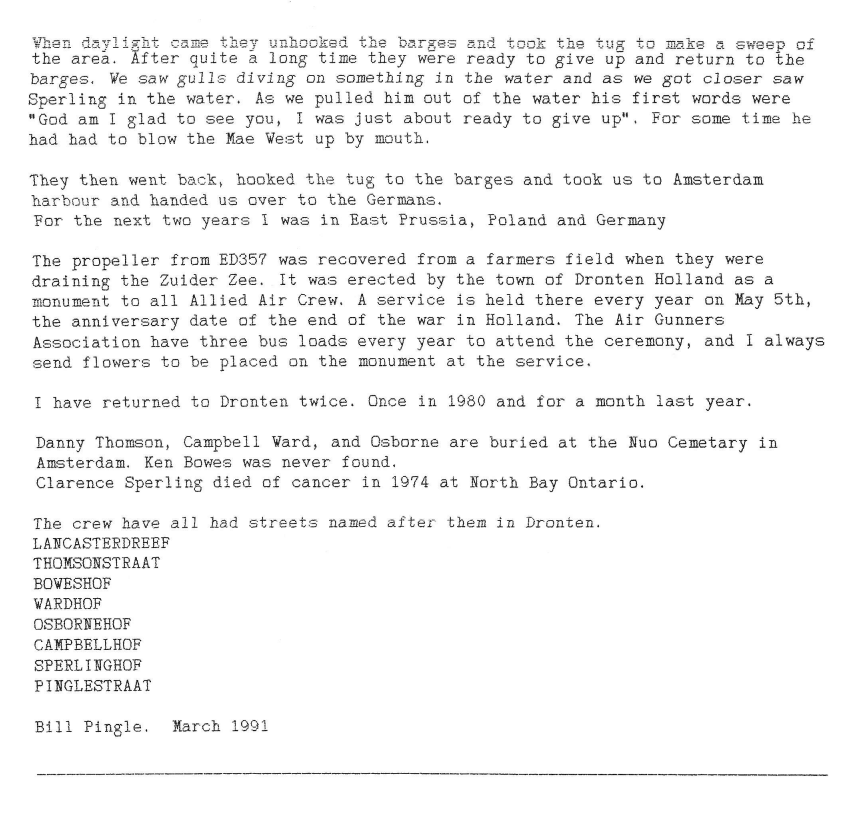
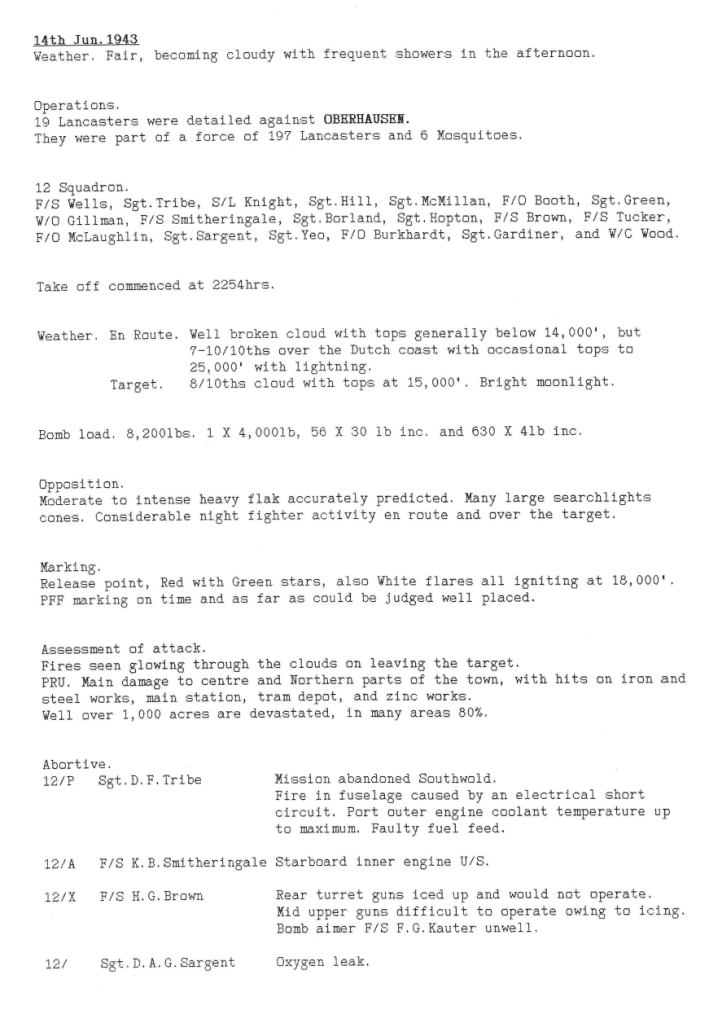
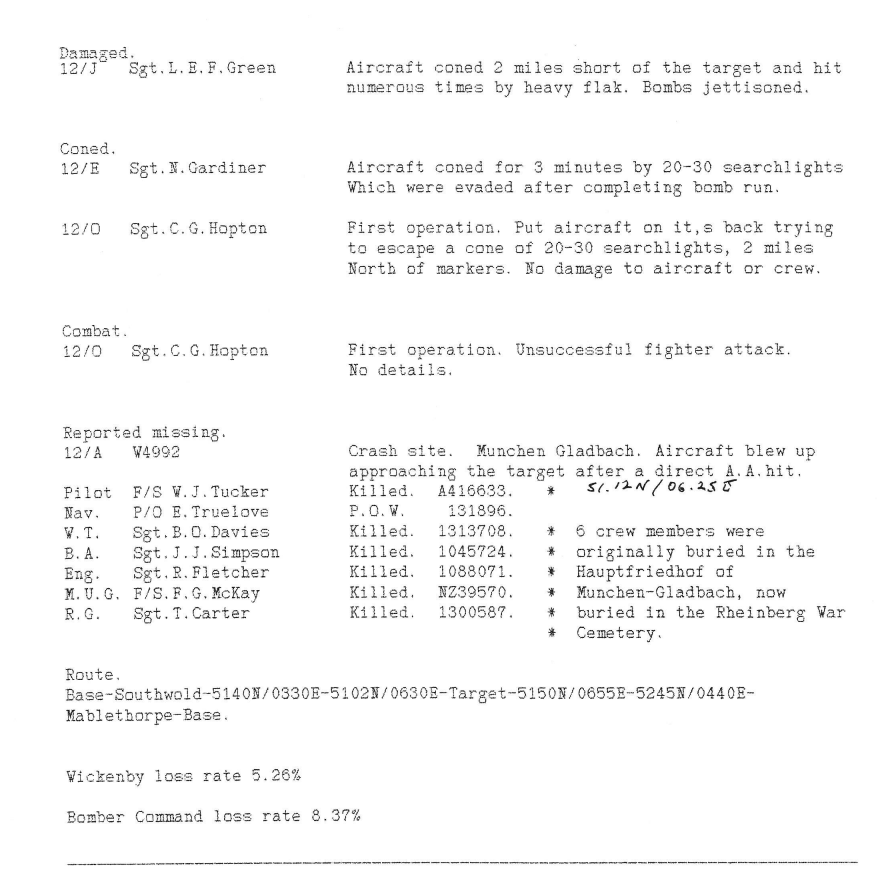
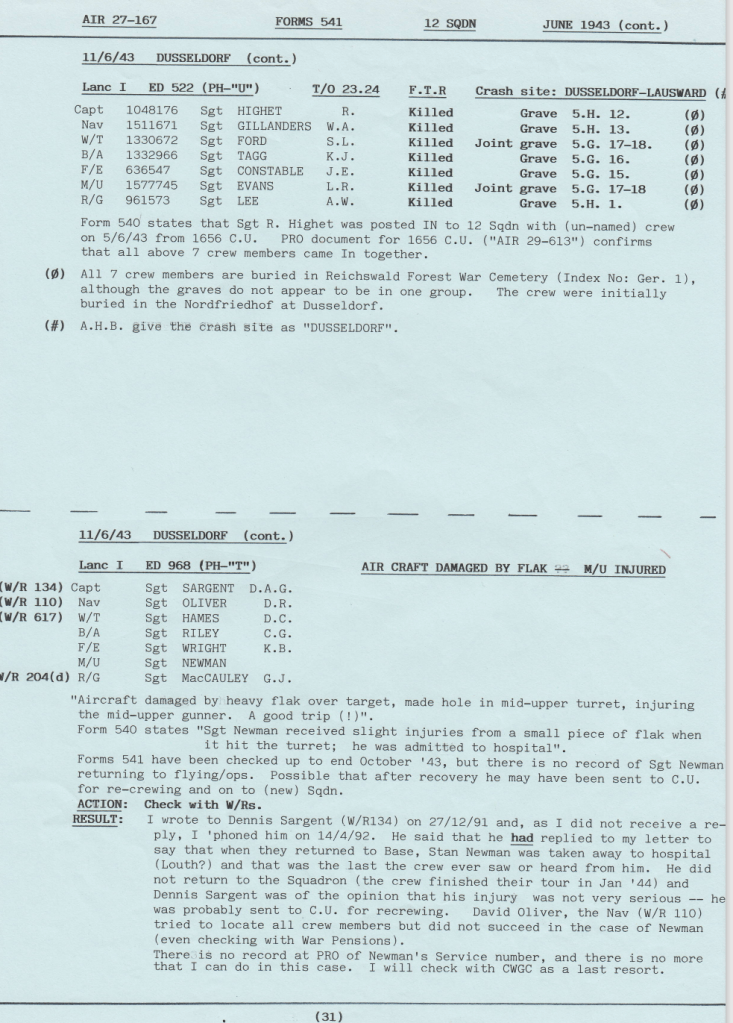
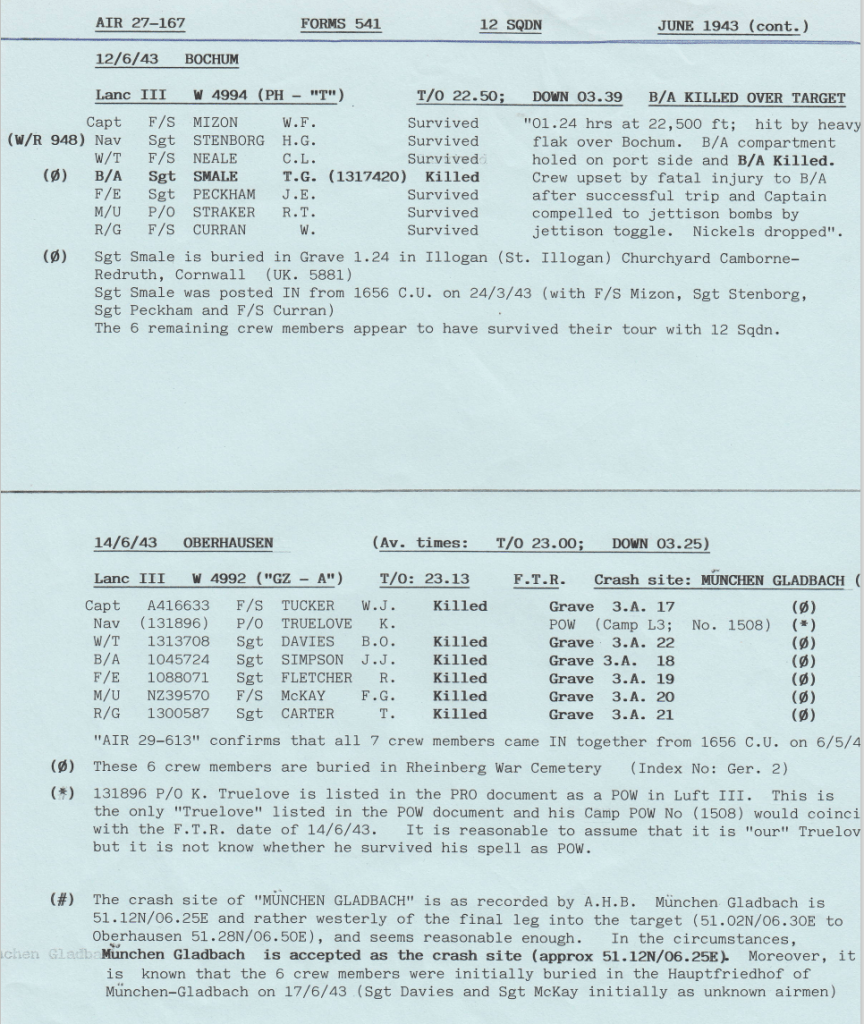
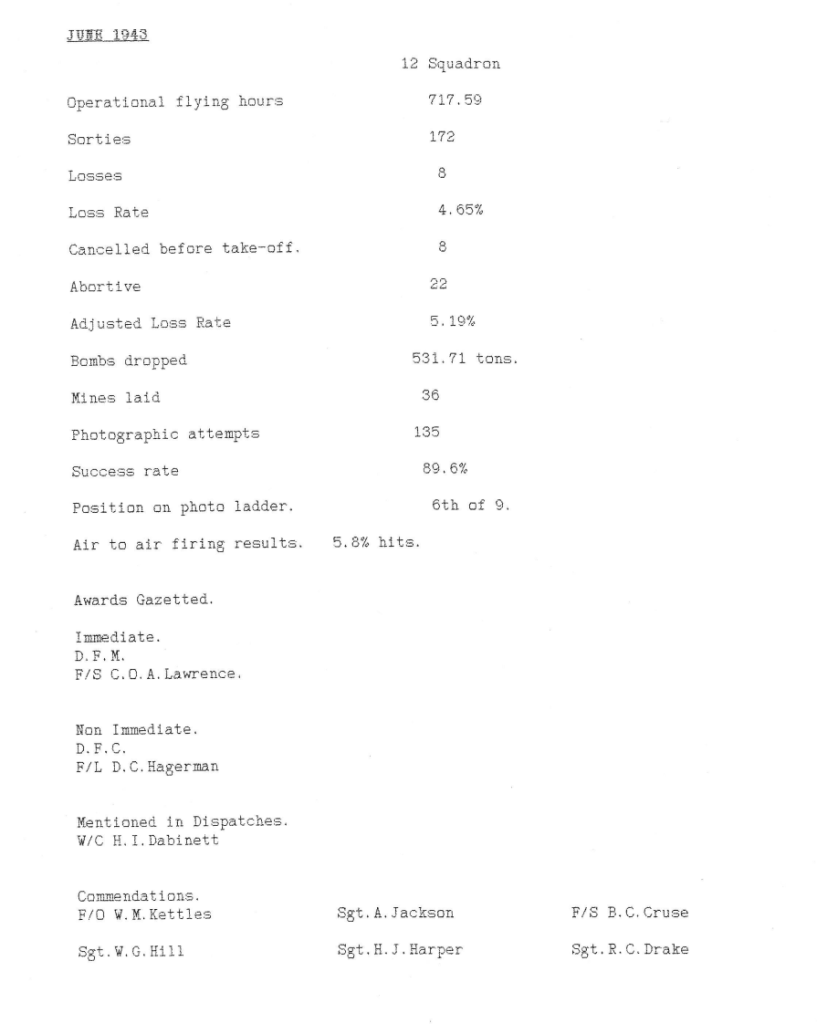
A very bad week for 12 Sqn, with 6 aircraft lost and 38 aircrew being killed and 4 becoming prisoners of war. 5 aircraft was lost during the attack on Dusseldorf on 11/12 June, the highest loss rate in a single night for the squadron for the whole of 1943 (20.83%). Other attacks were made on Bochum and Oberhausen.
The attack on Dusseldorf was the most successful of the war. German reports state that the fire area measured 8km by 5km with no less than 8,882 separate fire incidents recorded or which 1.444 were classified as large. 1,292 people were killed and 140,000 were bombed out of their homes.
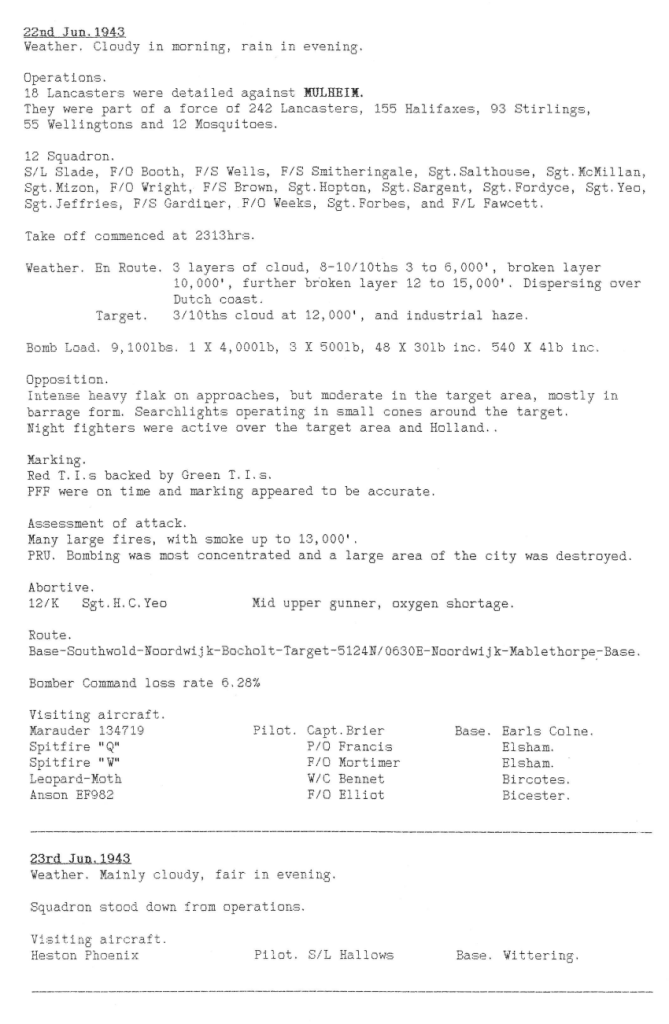
Extract from Station Diary
Sgt William Frank Biggs, aged 23, the son of Walter Seth Biggs & Helen Amelia Biggs of Reading, Berkshire. He was the flight engineer on the crew of Flt Lt Doel, who were shot down on their first mission.Sgt Thomas Robert Pagett, the Rear Gunner on Flt Lt Doel’s crew. He has no known grave.Sgt William Edward Cunliffe, aged 28, the son of Edwin & Minnie Cunliffe. He was the navigator on the crew of FS Shepherd. This crew were also all killed on their first mission.
Extract from Appendix to 12 Sqn Operational Record Book
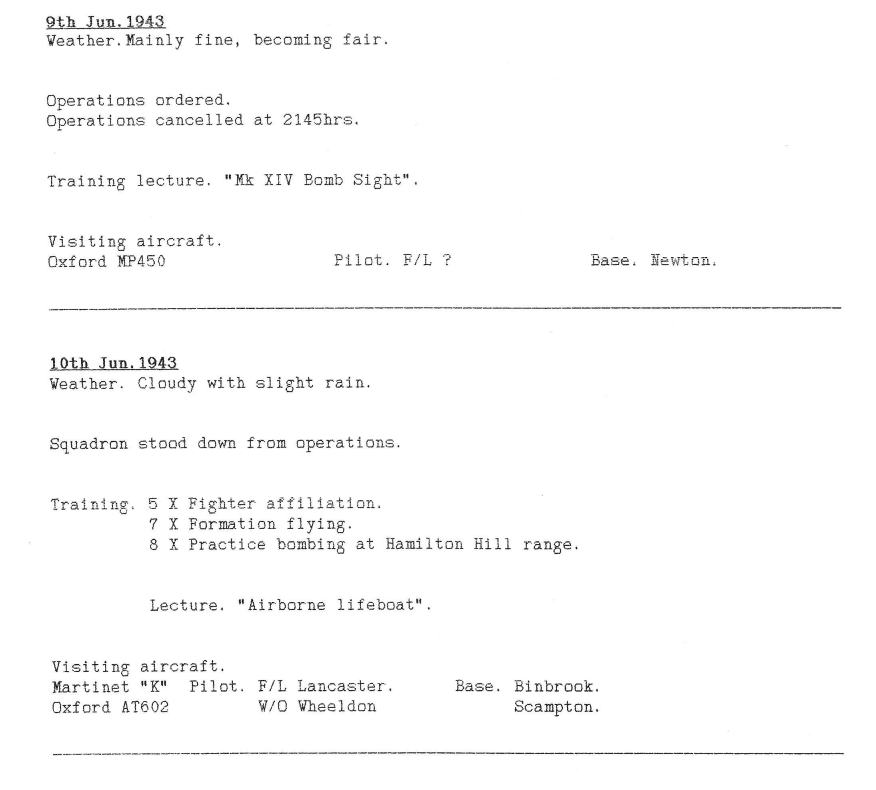
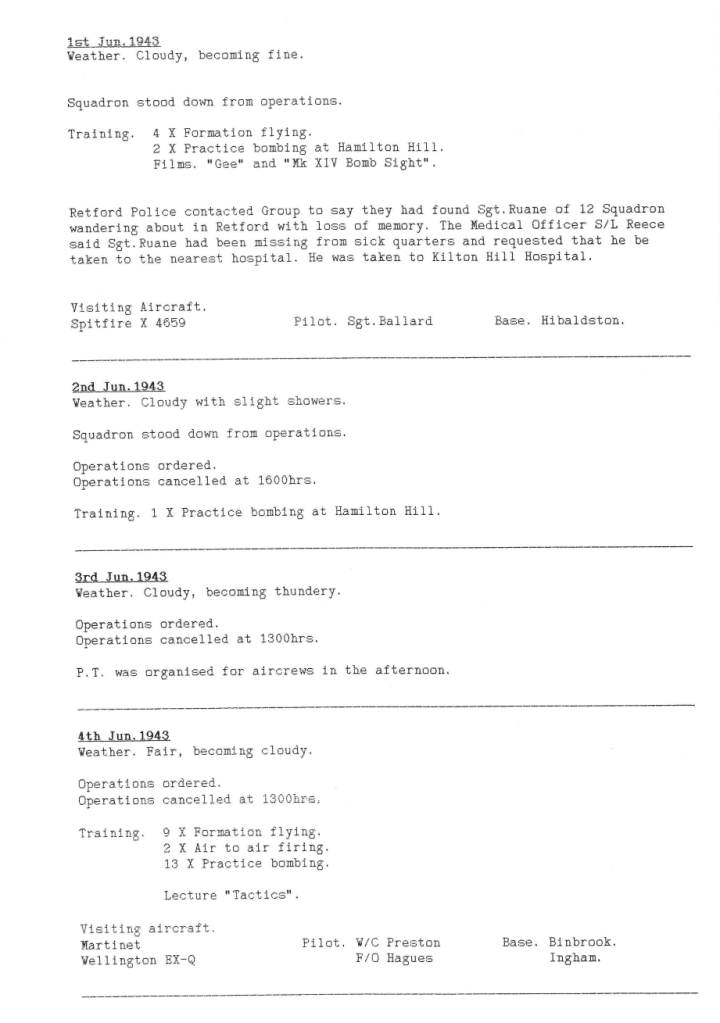
A quiet week for 12 Sqn, with no operations flown. It was also a quiet week for Bomber Command with just a few minelaying operations off the coast of France.
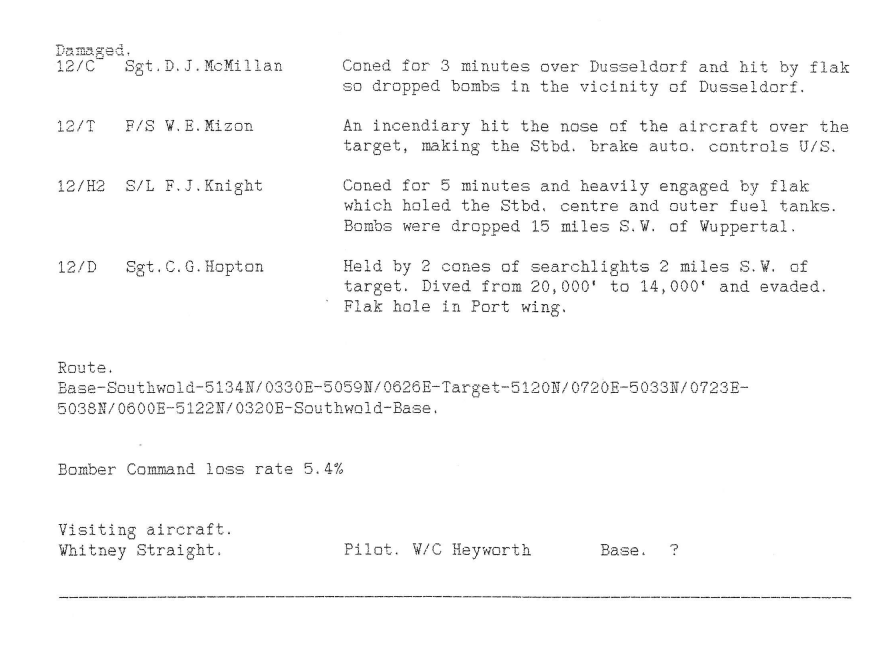
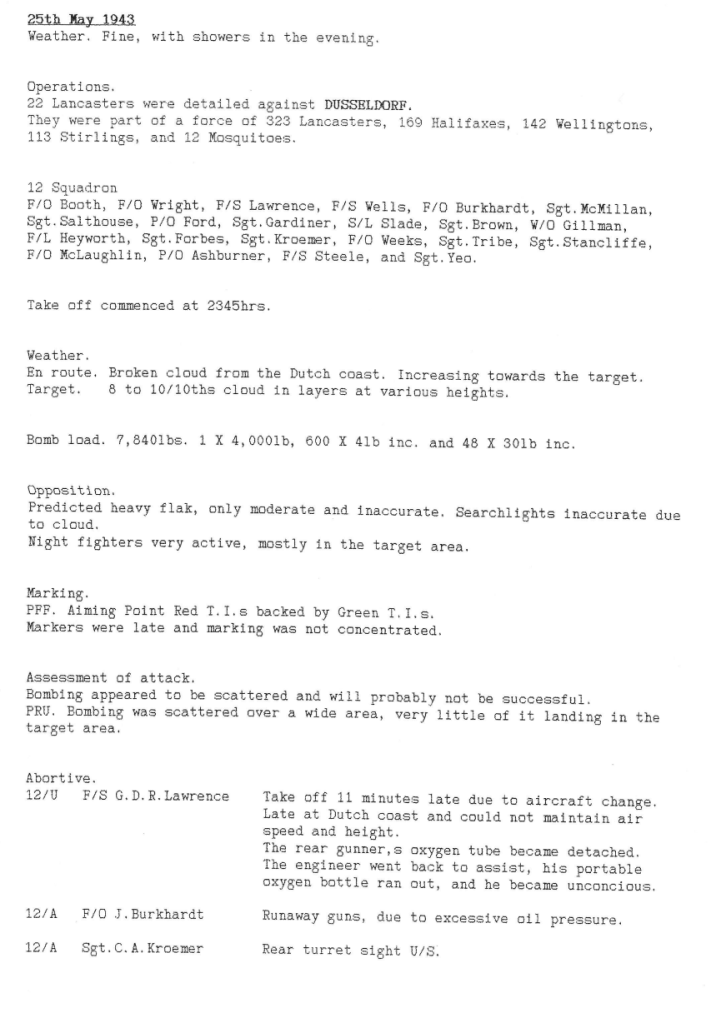
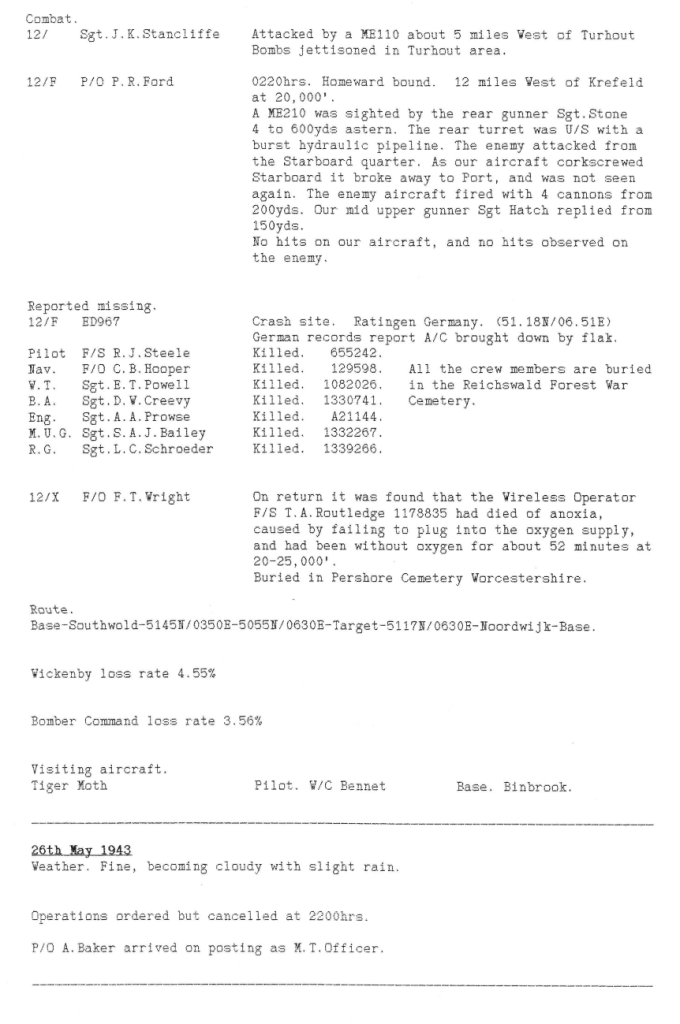
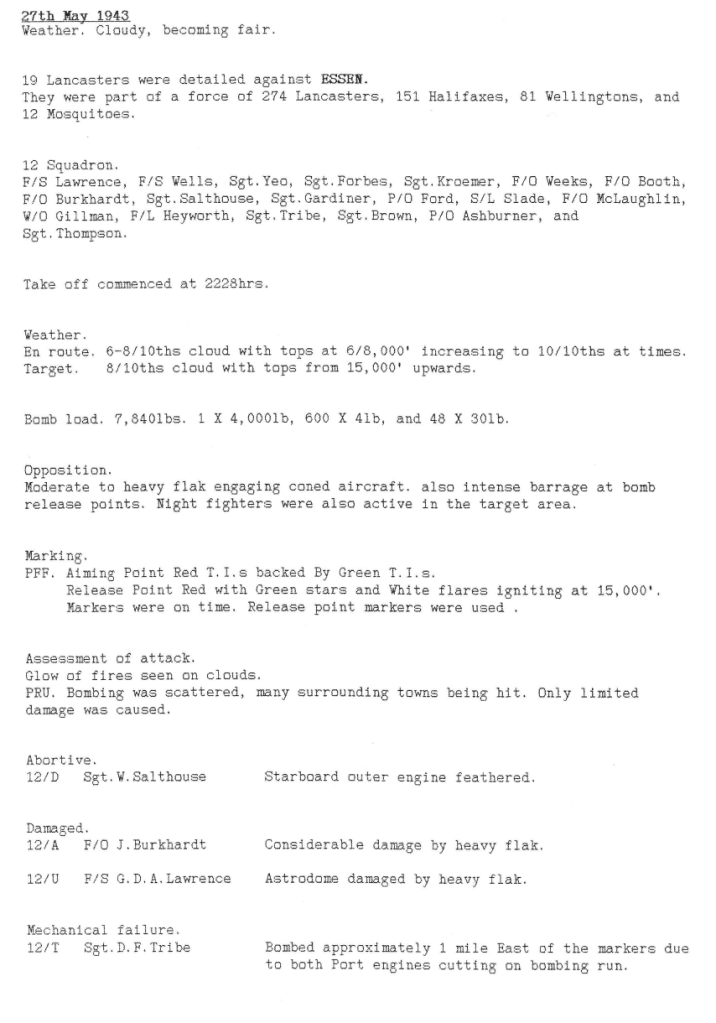
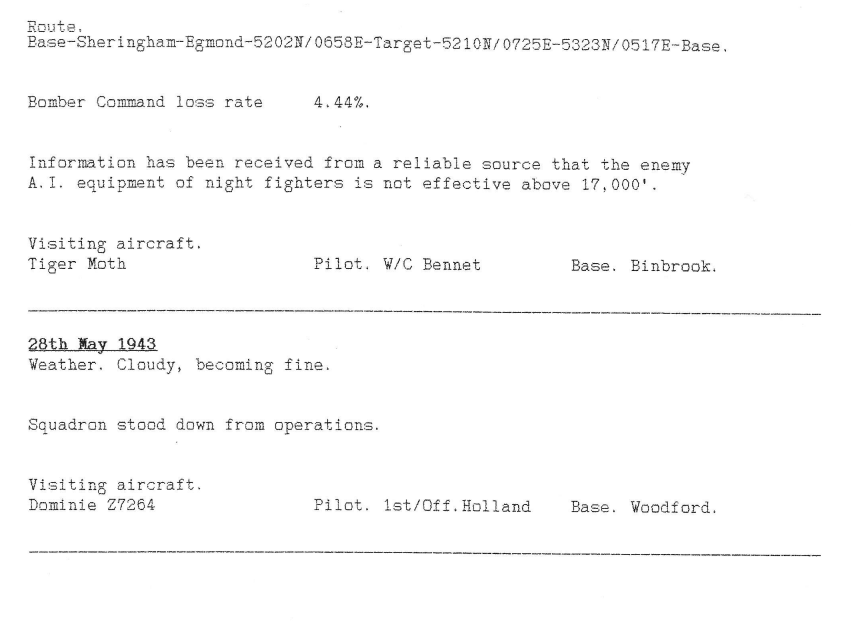
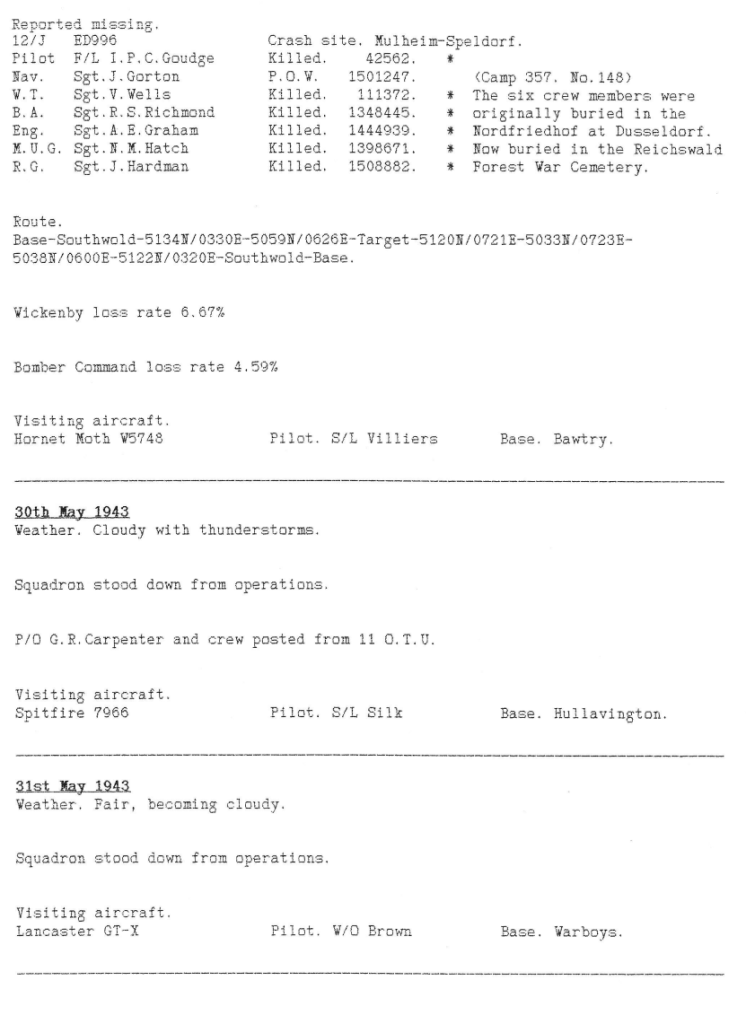
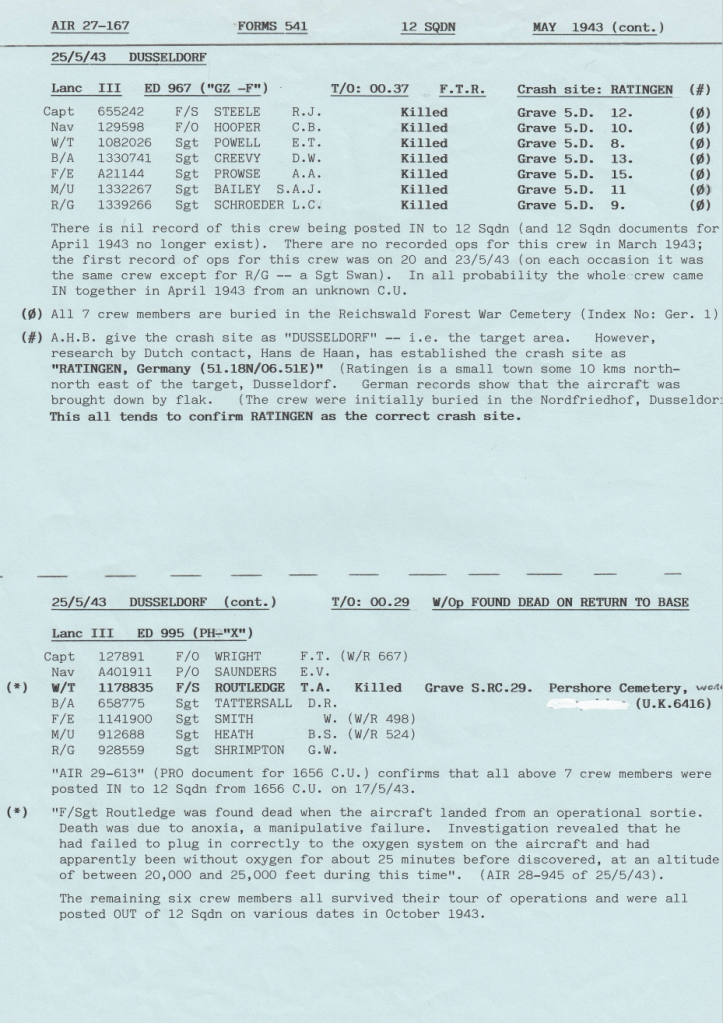
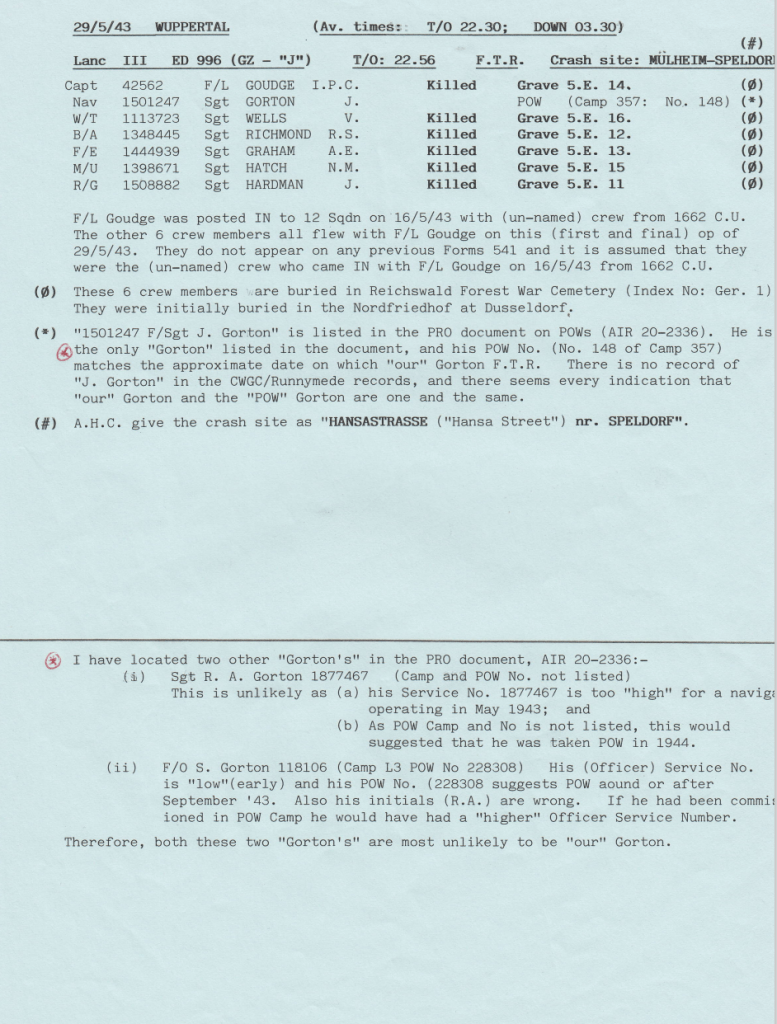
A busy week for 12 Sqn, with attacks on Dusseldorf, Essen and Wuppertal and loss of 2 aircraft and 13 aircrew in those aircraft.
There were a number of issues with oxygen supplies in aircraft during each of these operations, with one crew member dying due to anoxia, his death only being discovered on the aircraft landing; a rear gunner’s oxygen supply being cut off and the flight engineer, being sent to assist with a portable oxygen bottle, passed out when his supply ran out; 2 aircraft aborting their missions, one due to the pilot being asleep due to oxygen loss and the other due to the supply to the whole aircraft not working. Oxygen was needed above about 12,000 feet and the supply could be interrupted for a number of reasons as it flowed through pipes running throughout the aircraft. It was also the ground crew’s responsibility to fill the main oxygen tank and it was not unknown for this to be missed during preparation of the aircraft for missions, sometimes in a short time frame.
Extract from Station Diary
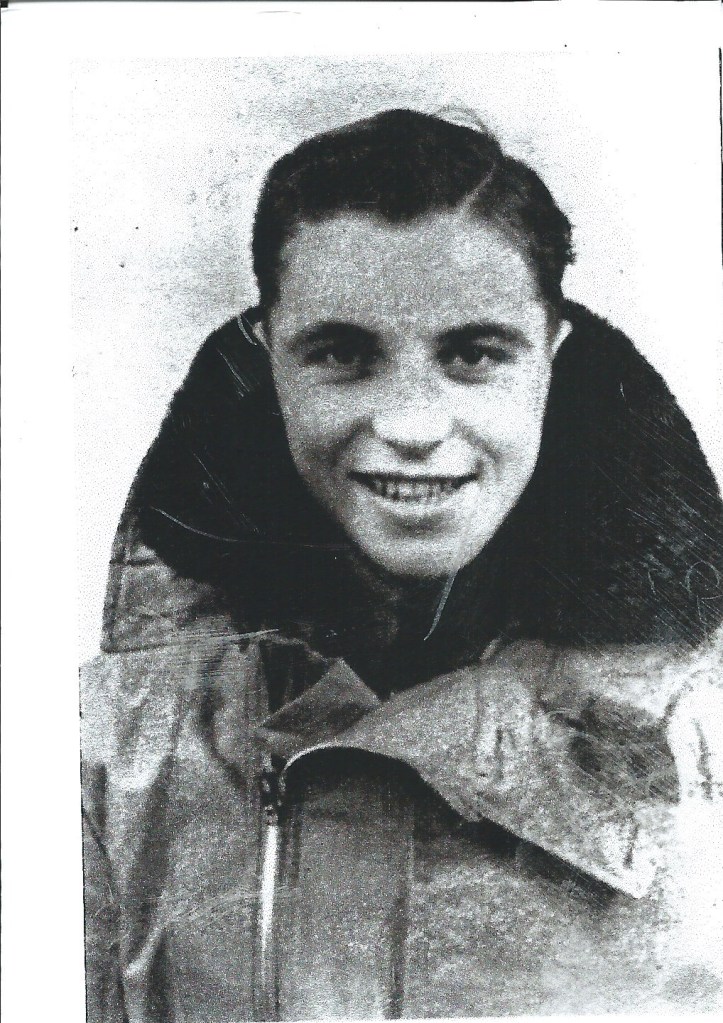
Flt Sgt Leslie Charles Schroeder, aged 20, the rear gunner in Flt Sgt Steele’s aircraft lost during the attack on Dusseldorf on 25th May. He was the son of Norman & Louisa Ada Maud Schroeder of Wrington, Somerset.
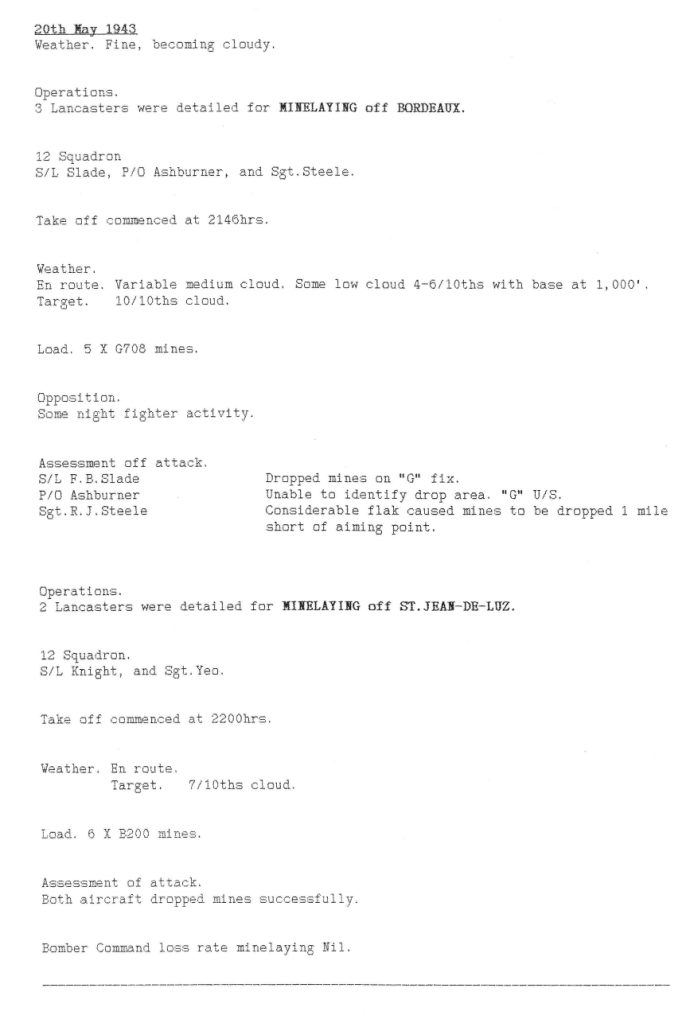
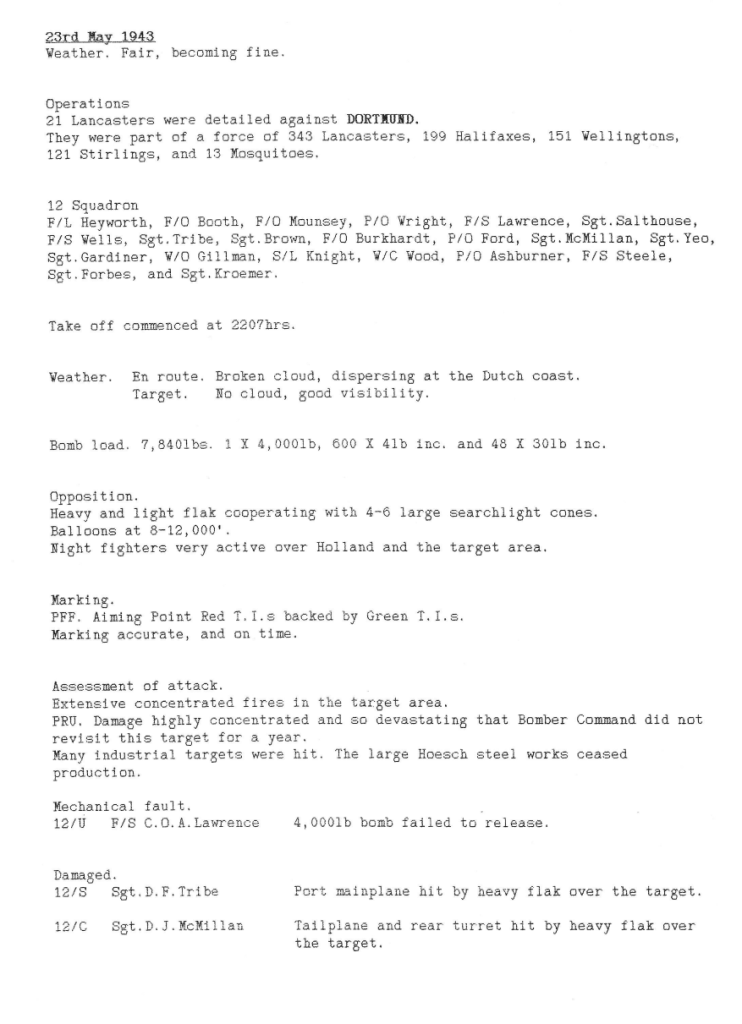
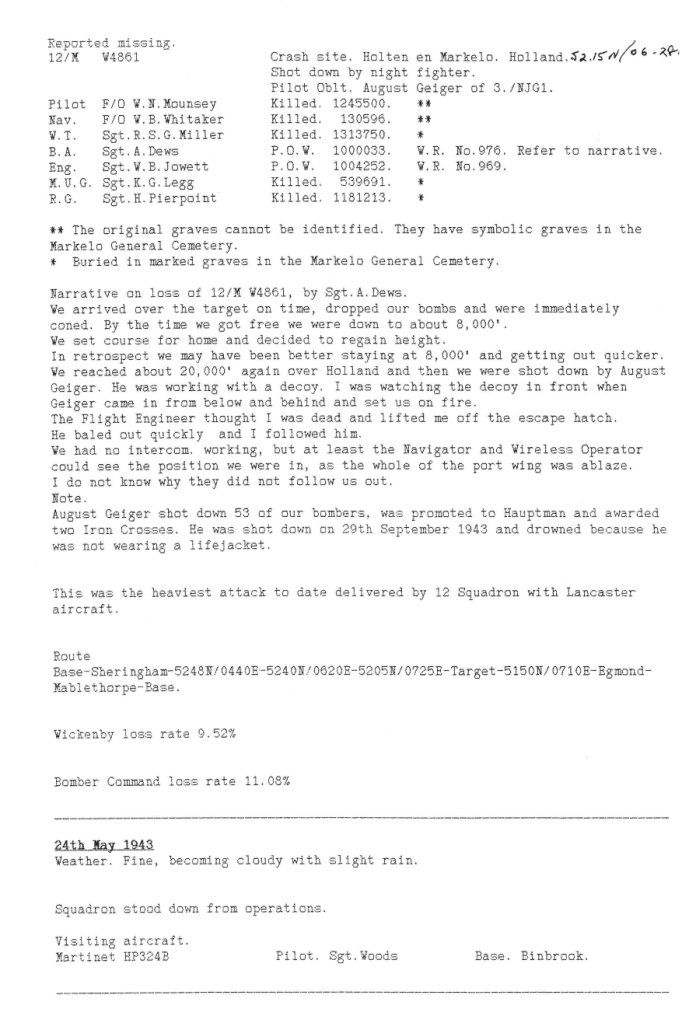
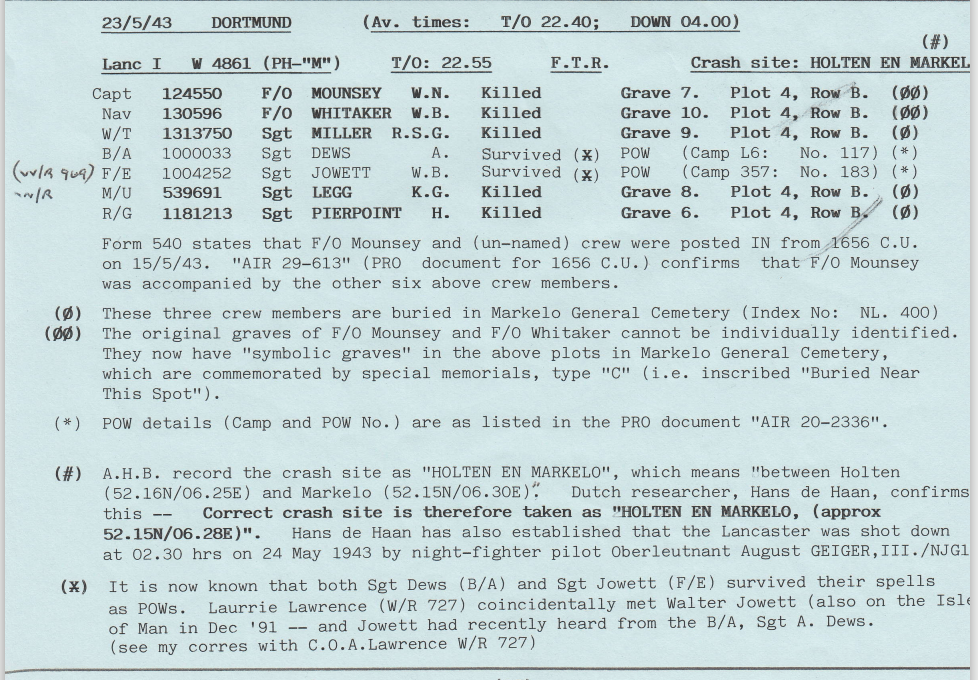
12 Sqn took part in 2 minelaying operations this week, and one main bombing attack on Dortmund. One aircraft and 5 crew members were lost. The crew of Fg Off Mounsey were on their first mission (see the account of the Bomb Aimer below).
The attack on Dortmund was the largest carried out by Bomber Command during the Battle of the Ruhr (826 aircraft dispatched) and the largest effort so far by 12 Sqn – 21 aircraft. It was a very successful raid and nearly 2000 buildings were destroyed, including the large Hoesch steelworks, which ceased production. 599 people were killed and 1.275 were injured.
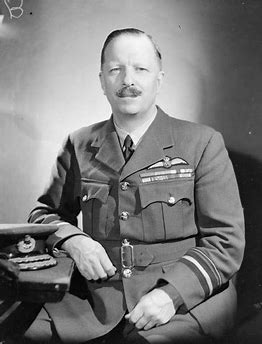
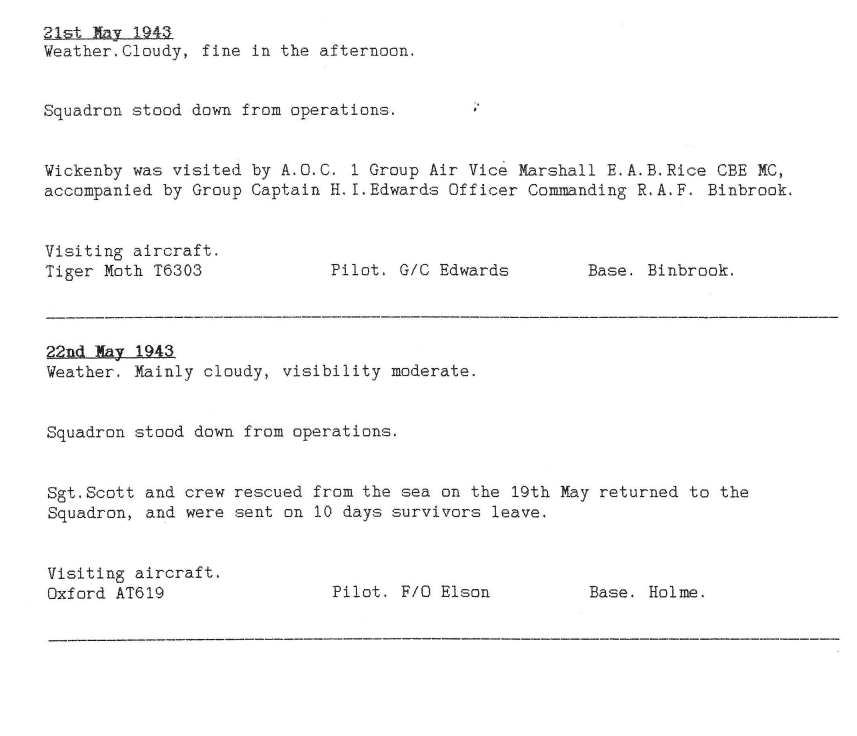
The unit was also visited, on 21st May, by the Air Officer Commanding 1 Group, Air Vice Marshall E.A.B. Rice CBE, MC.
The AOC 1 Group, AVM E.A.B Rice CBE, MC
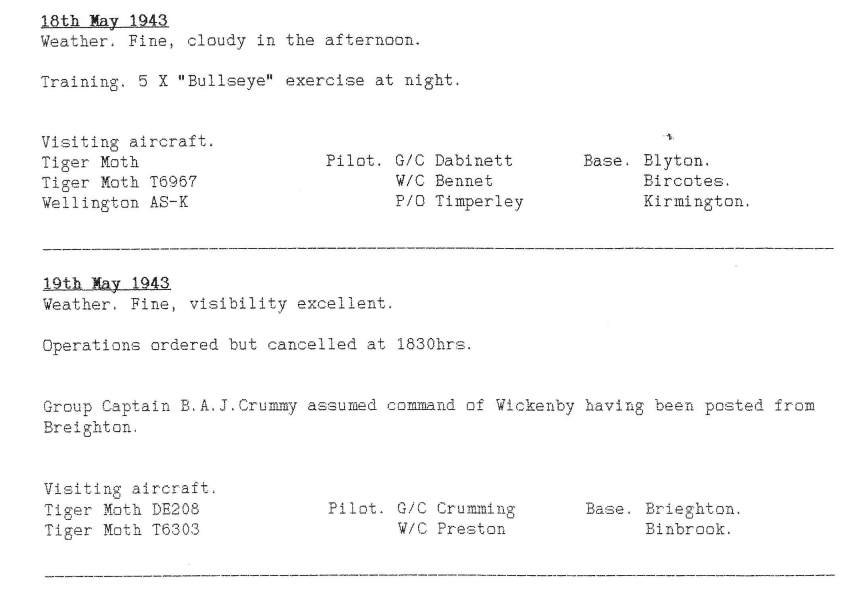
Extract from Station Diary
Extract from the Appendix to the 12 Sqn Operational Record Book
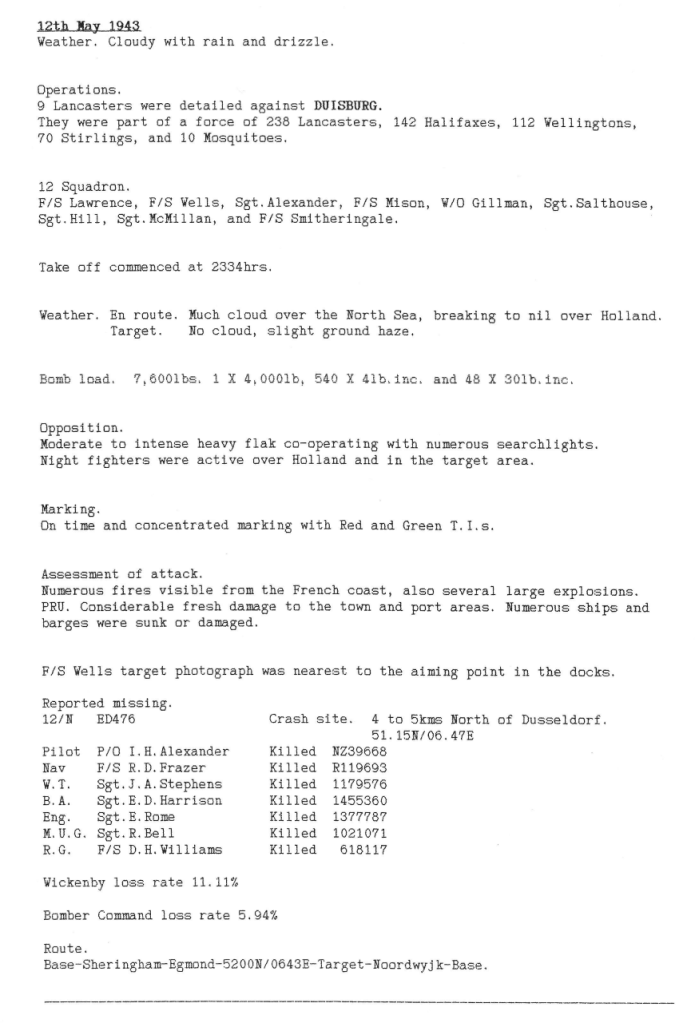
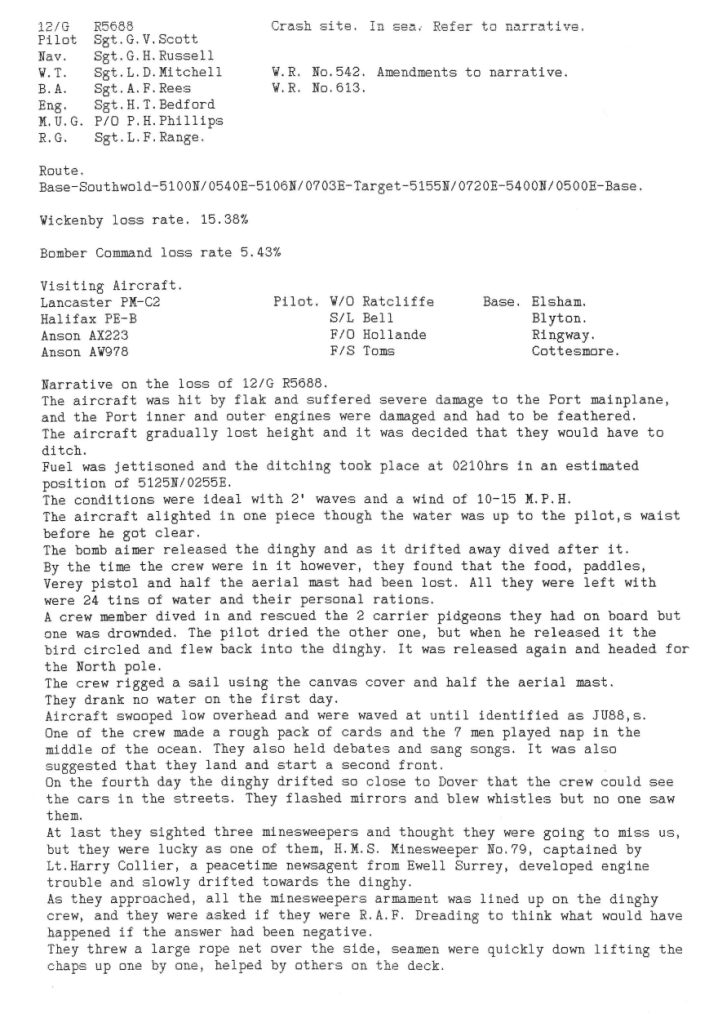
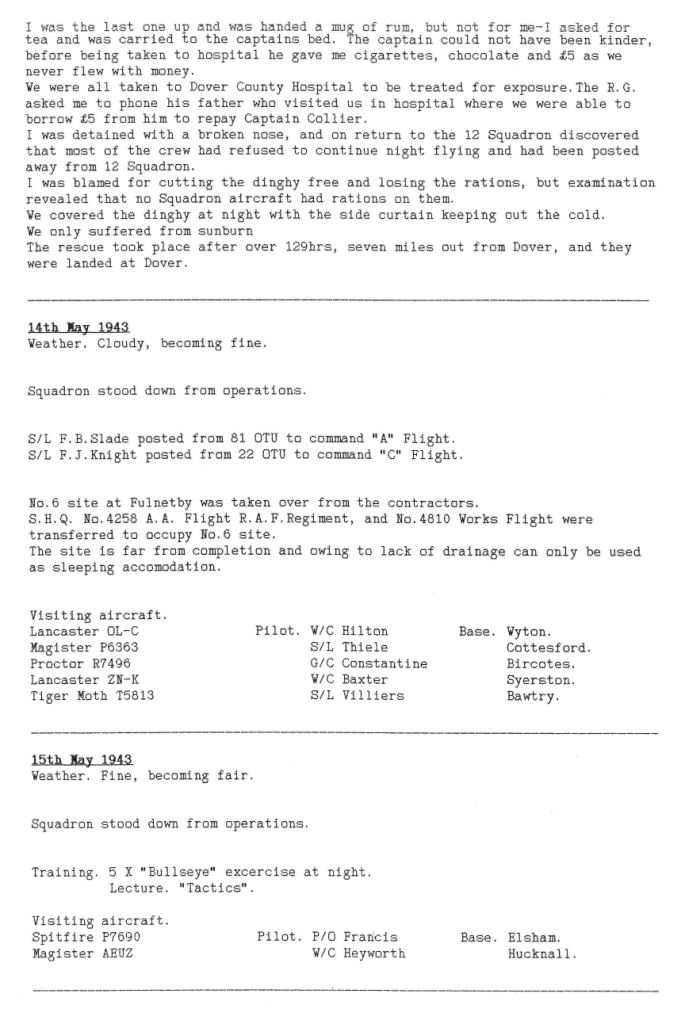
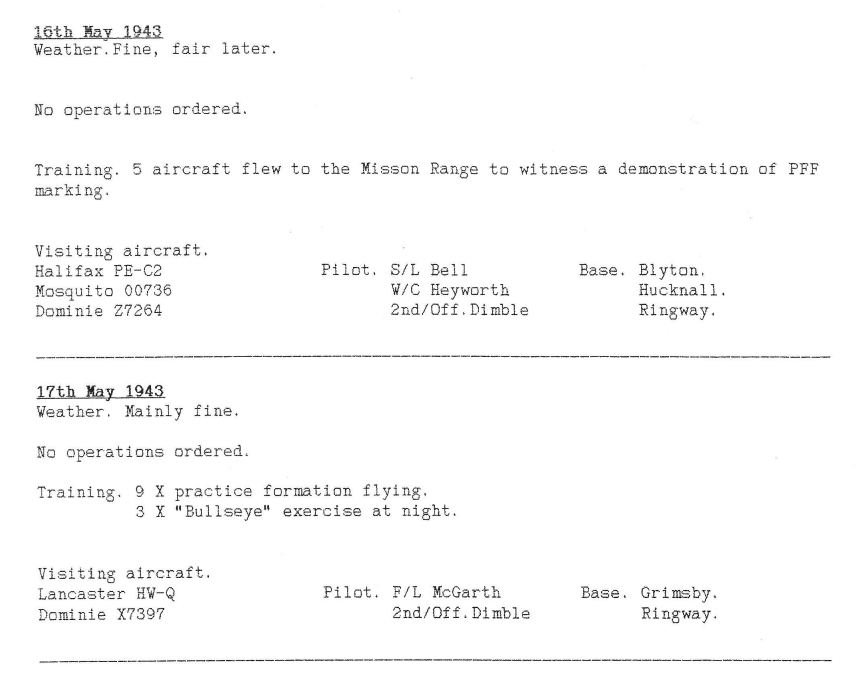
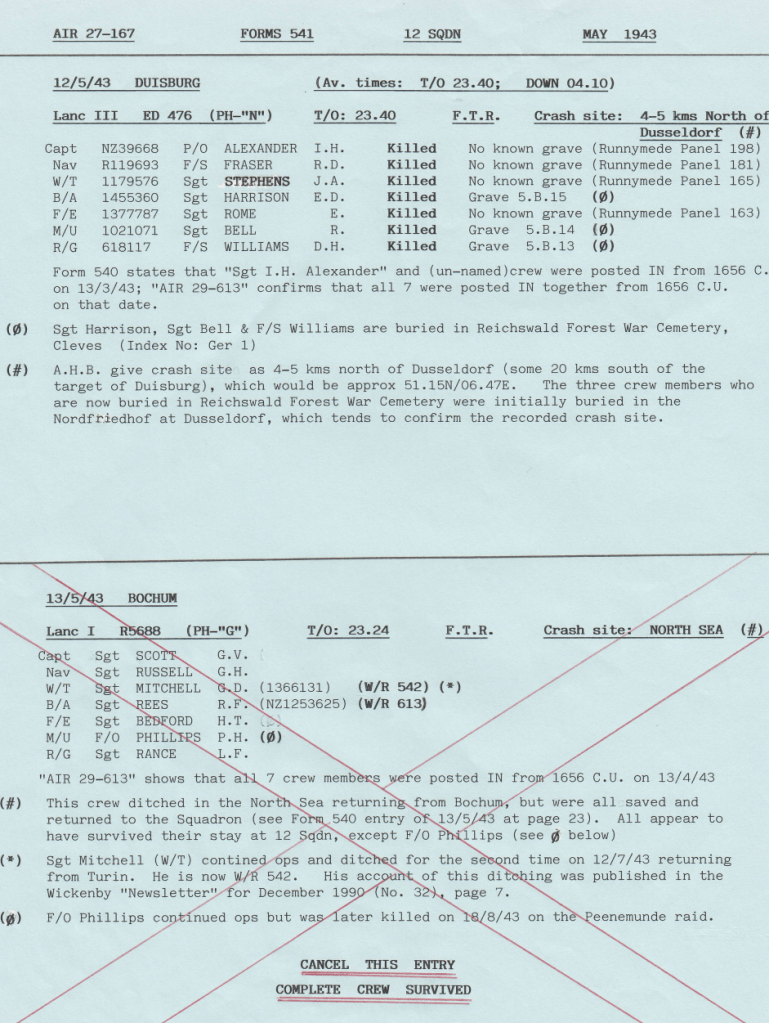
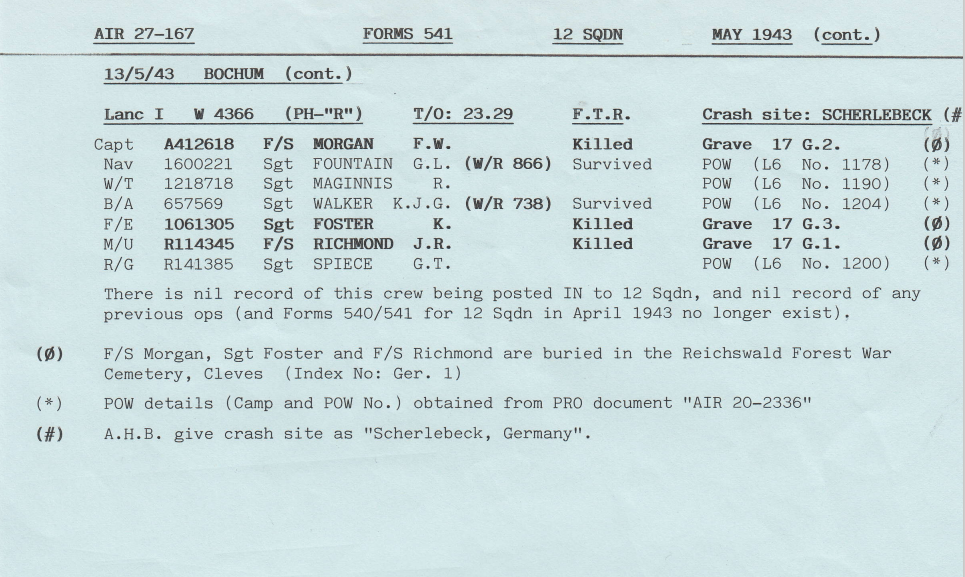
This was the week of the Dambusters Raid (Operation Chastise), but 12 Sqn carried out 2 operations, to Duisburg and Bochum and 3 aircraft were lost, one landing in the North Sea, with all the crew eventually being rescued after 129 hours in the aircraft dinghy (see first hand report below). You will also notice in the Station Diary entry for 13 May that Flt Lt J.O. Lancaster was posted following completion of his second tour – an unusual achievement – but he was also one of the original 617 Sqn pilots, but left during training and did not take part in the mission to the dams. He was also one of the aircrew interviewed on the Sky TV documentary “Lancaster”, released last year.
Extract from Station Diary
FS David Hugh Williams, aged 24, the rear gunner in PO Alexander’s aircraft – killed on 12/13 May 1943. He was the son of John Robert & Margaret Williams of Abertsswg, Monmouthshire
Extract from RAF F 541, Appendix to Operational Record Book




















 RAF Wickenby - This week in history - World War 2