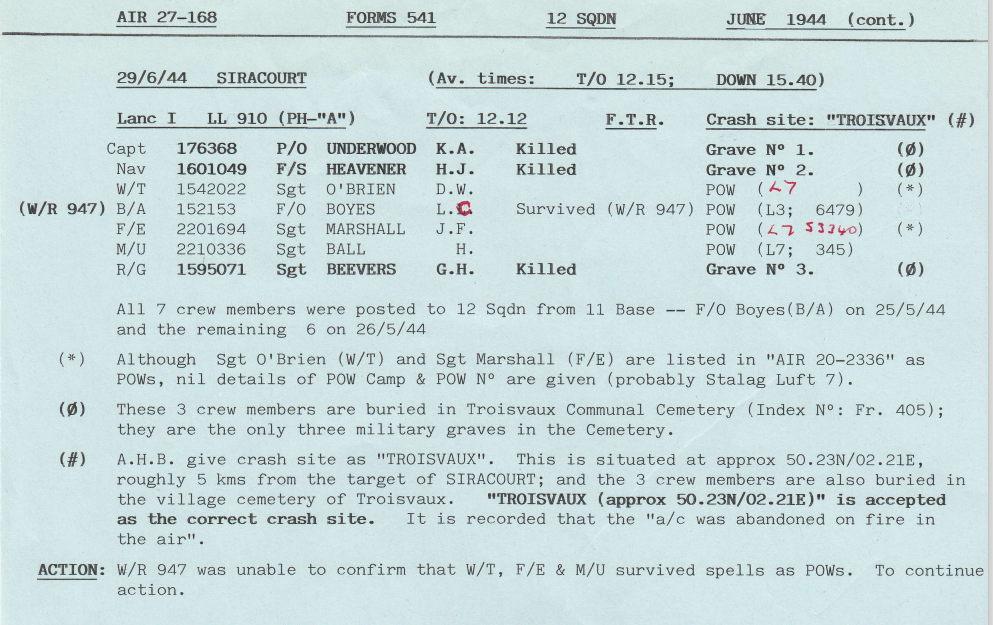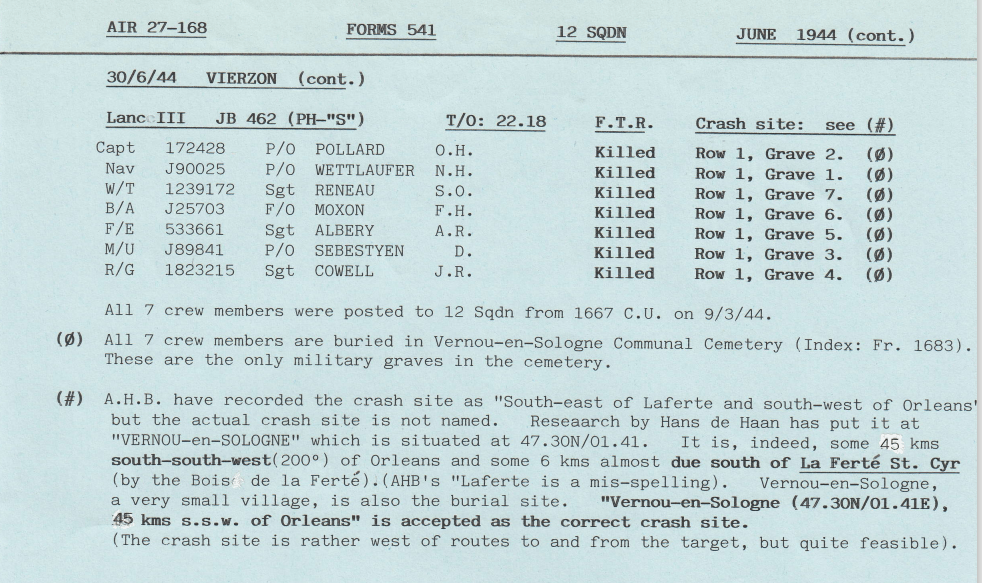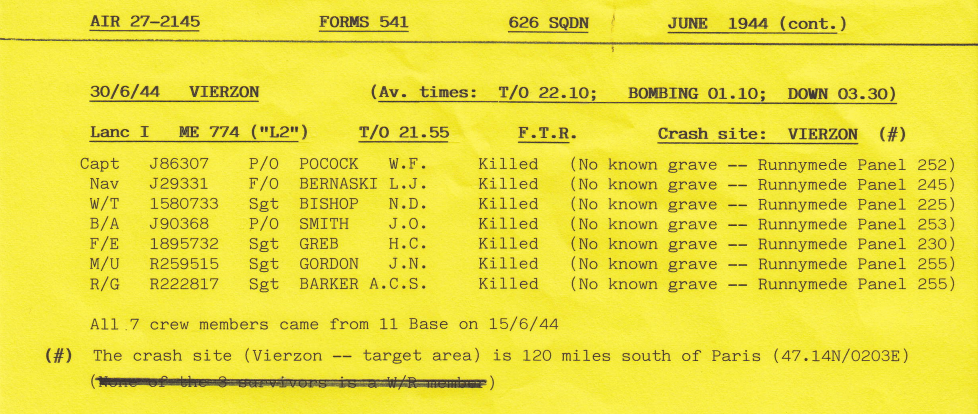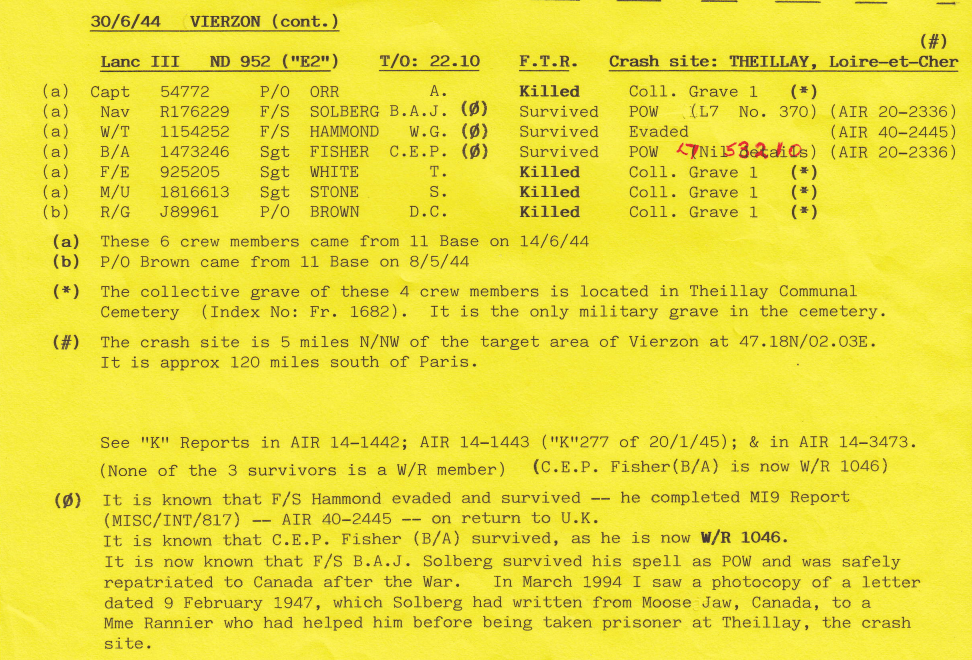
14-20 July 1944

Overview

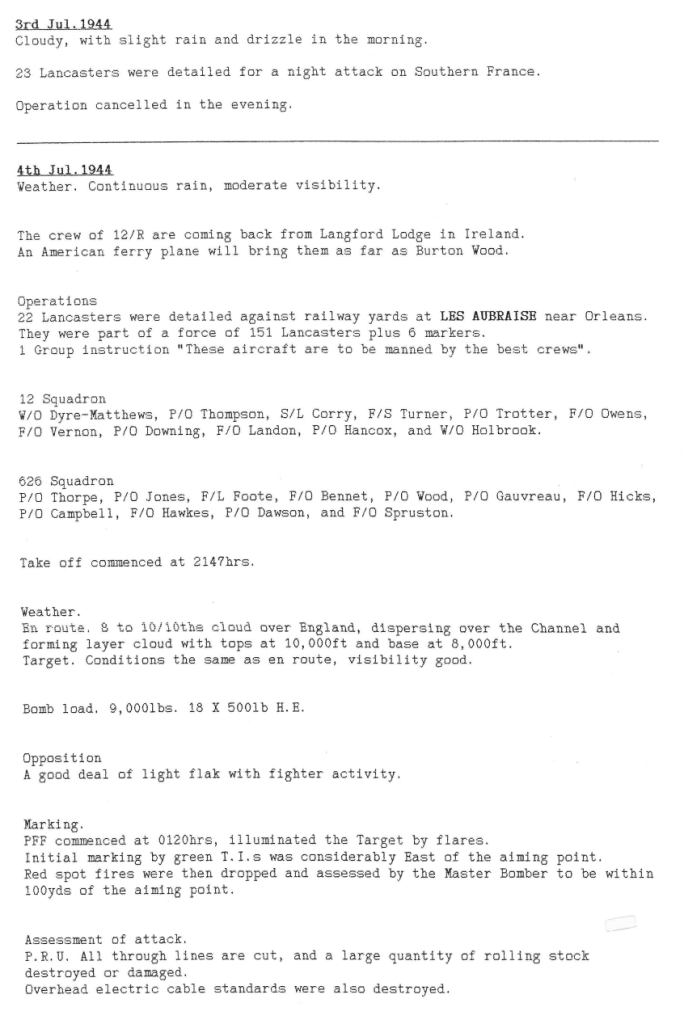
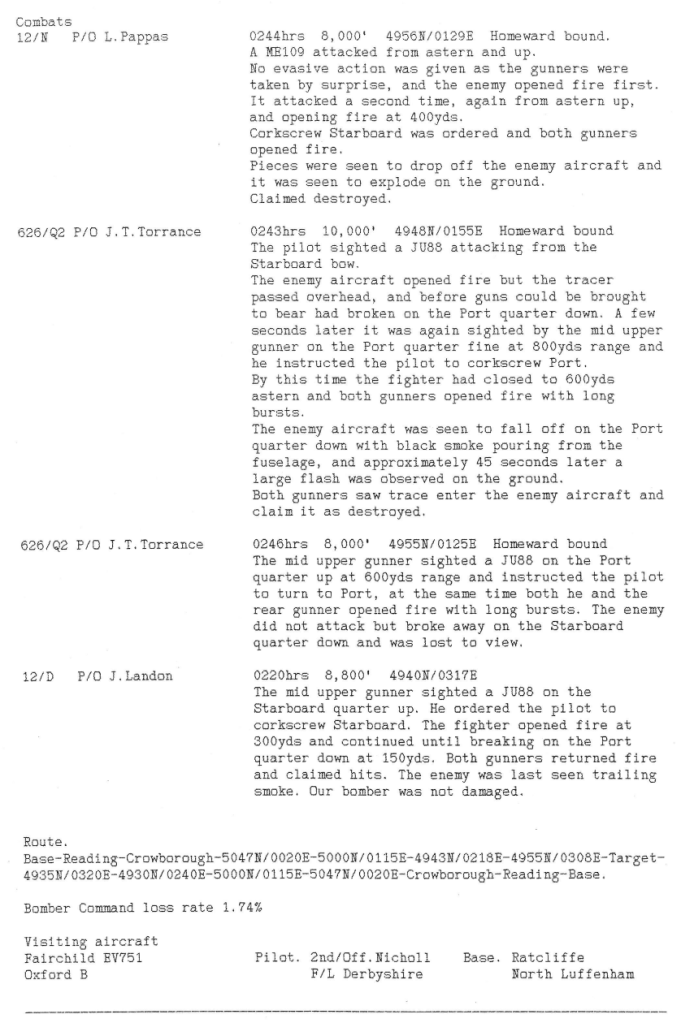
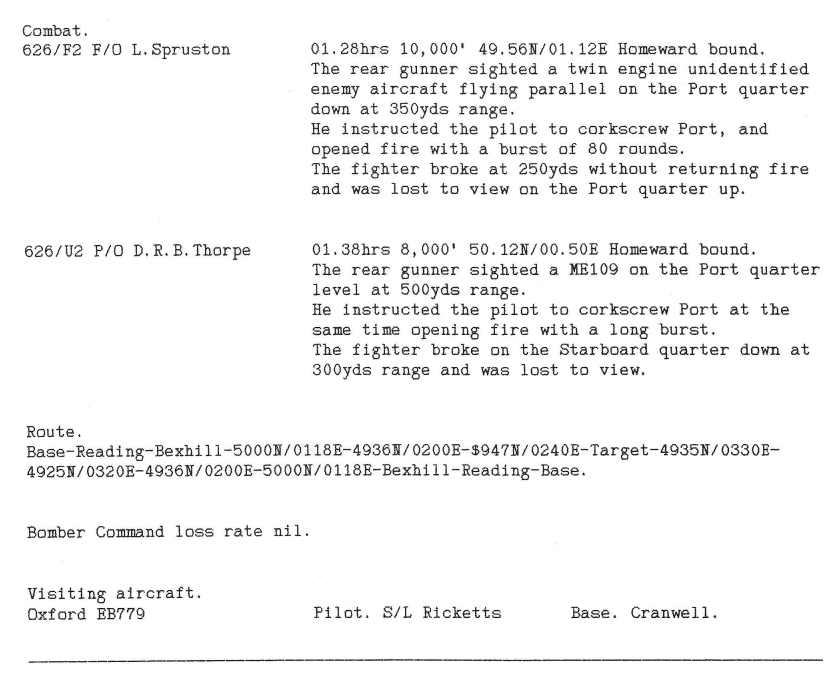
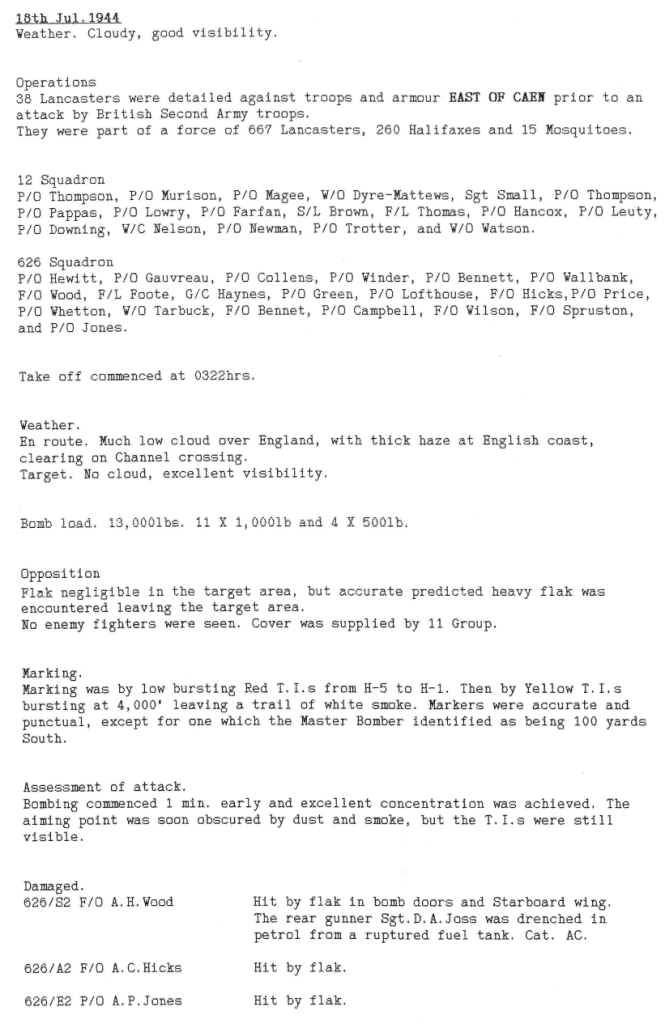
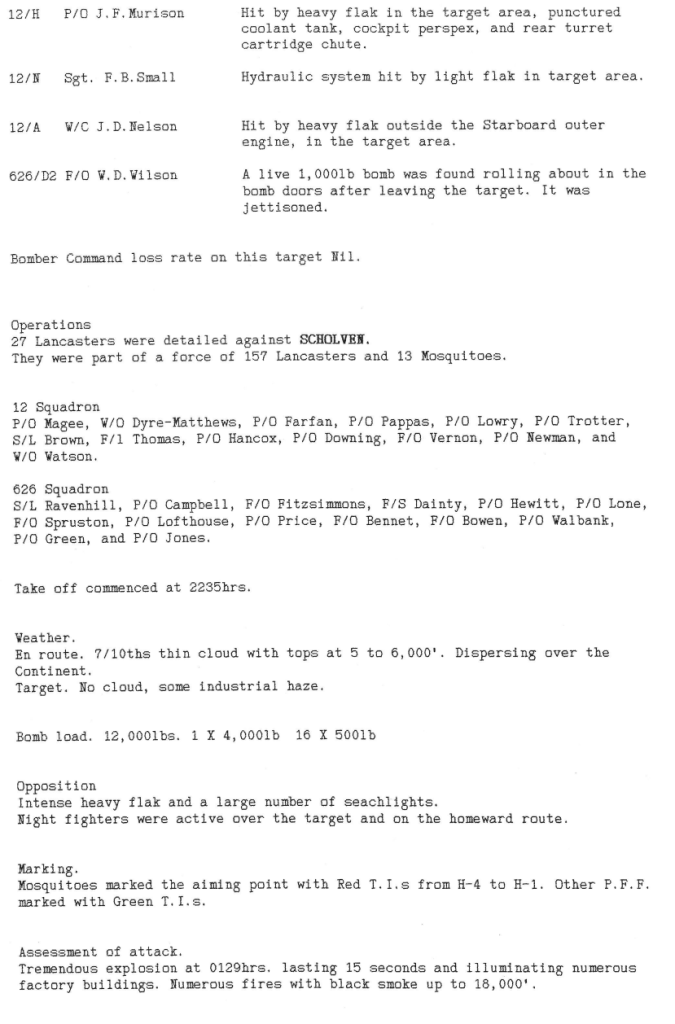
Attacks continued on sites in France, in direct support of the Allied forces in Normandy, especially the operation on 18th July prior to Operation Goodwood, the armoured breakout from Caen. Bomber Command aircraft dropped more than 5000 tons of bombs on German positions during this attack, which was described as one of the most useful operations in direct support of the Allied armies.

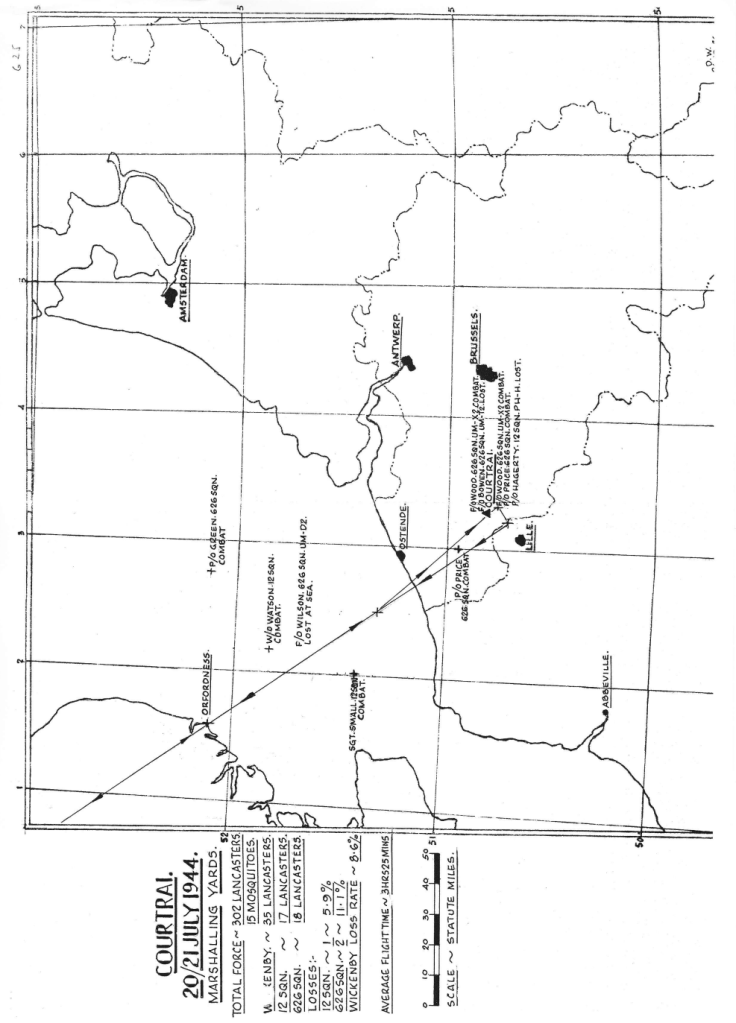
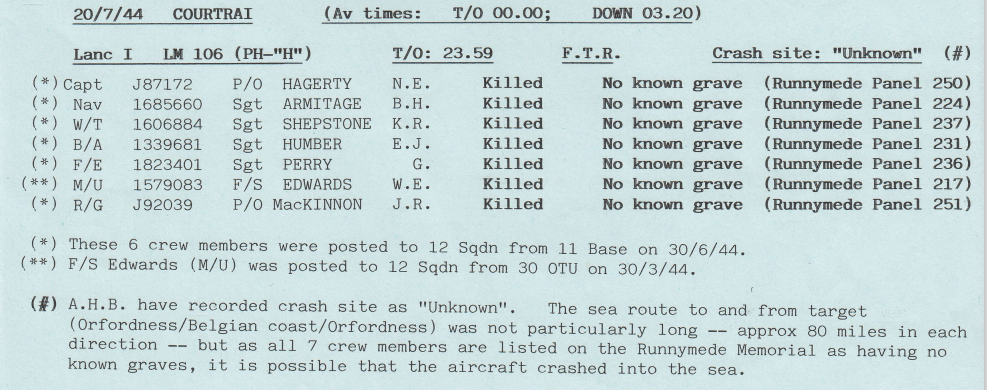
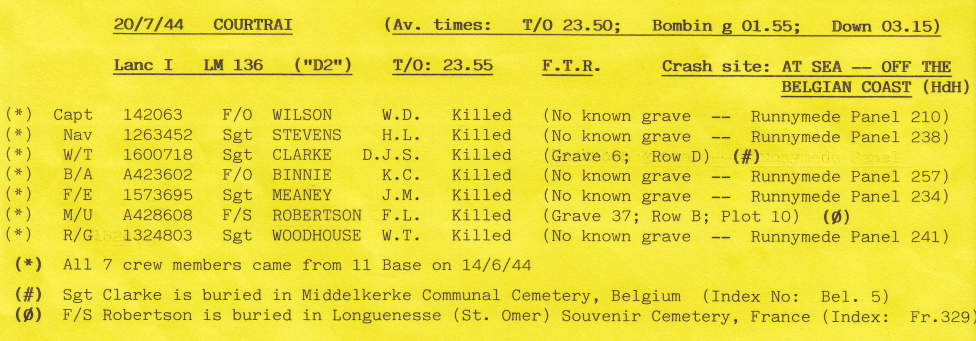
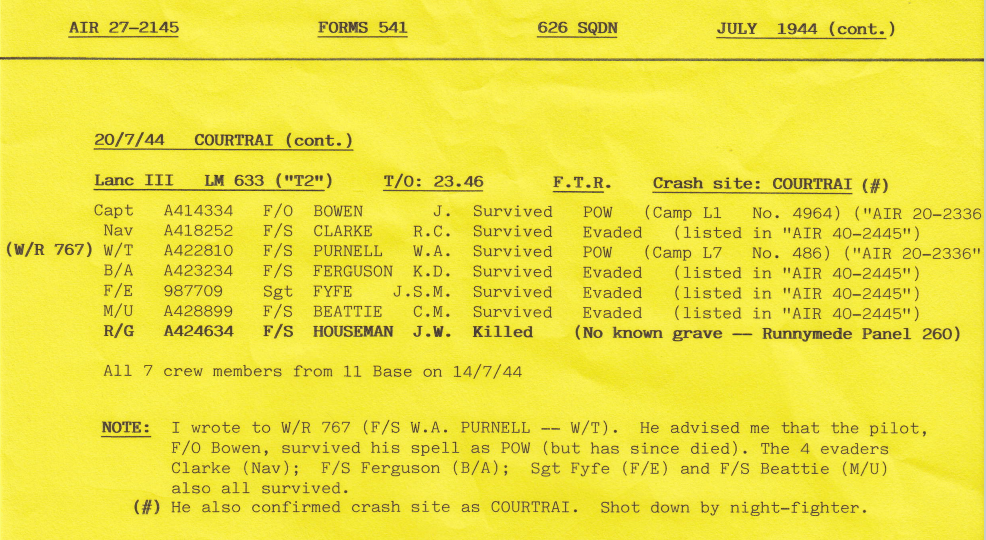
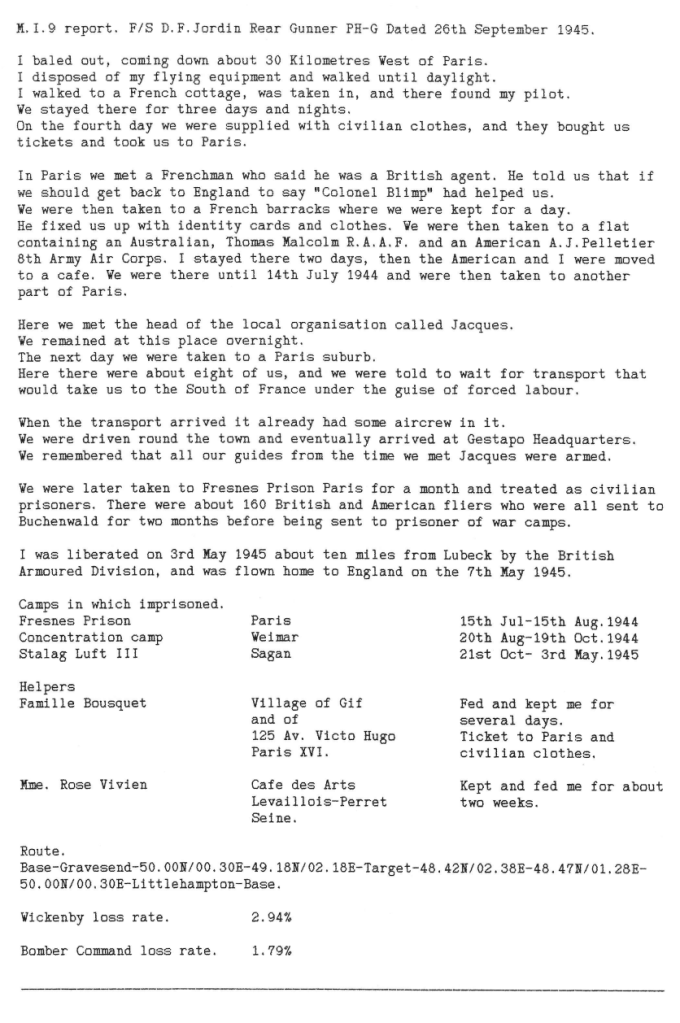
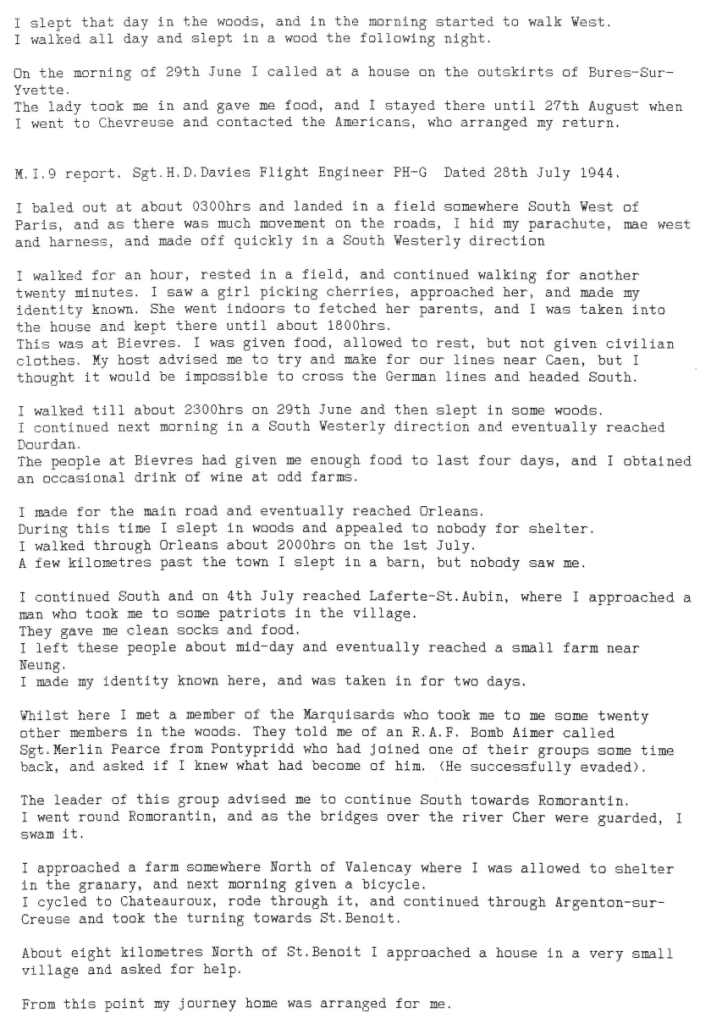
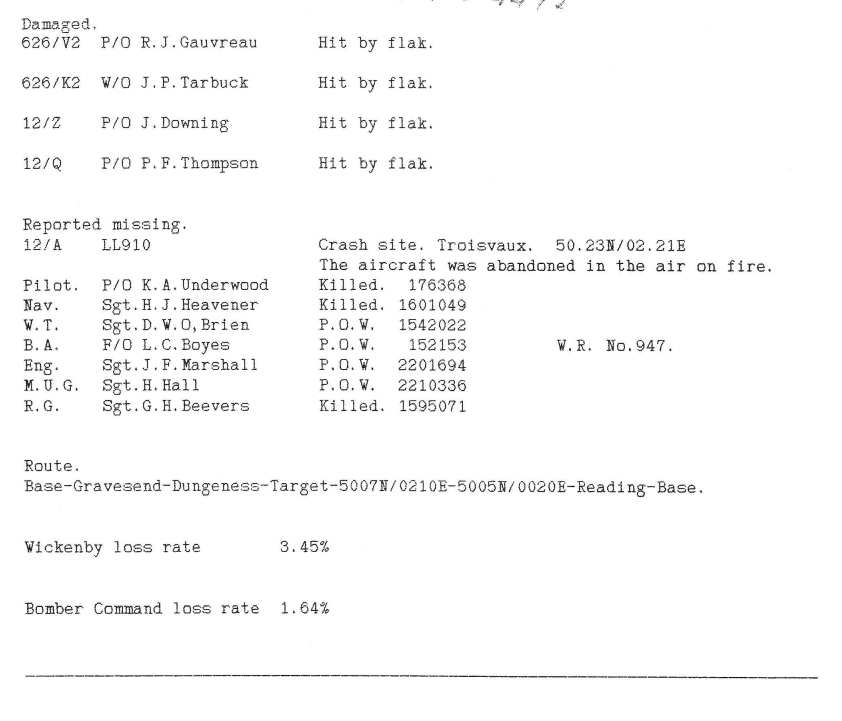
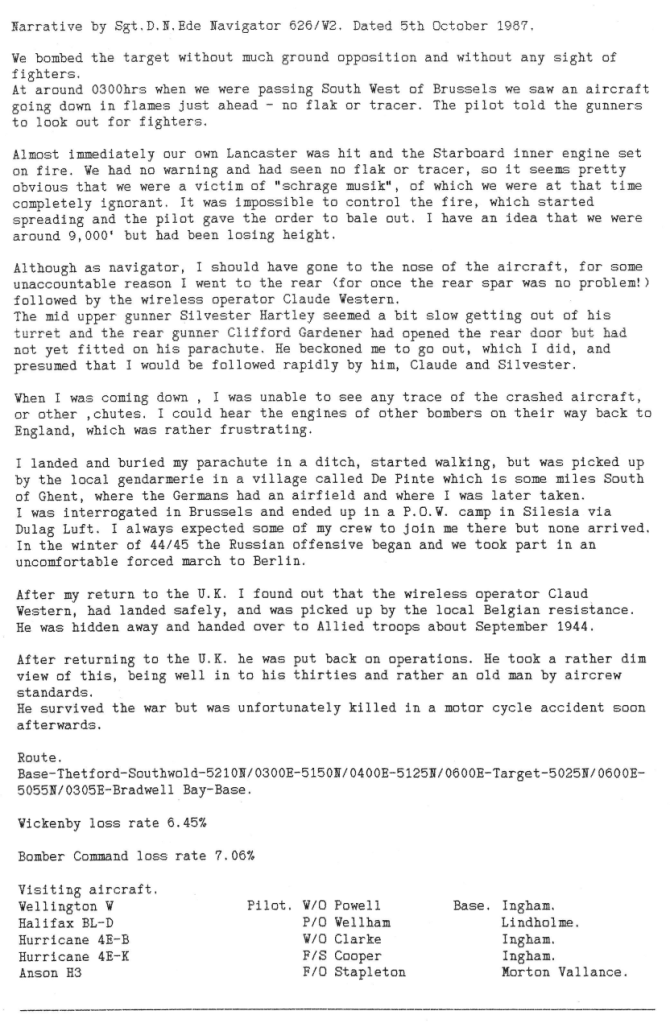
During the attack on the Courtrai marshalling yards on 20th July, 3 aircraft from Wickenby were lost, with 15 aircrew being killed, 4 evading capture and 2 becoming POW’s.

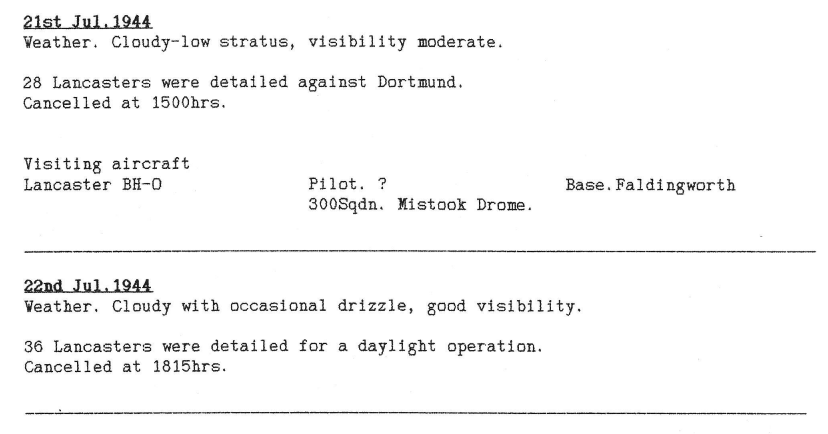
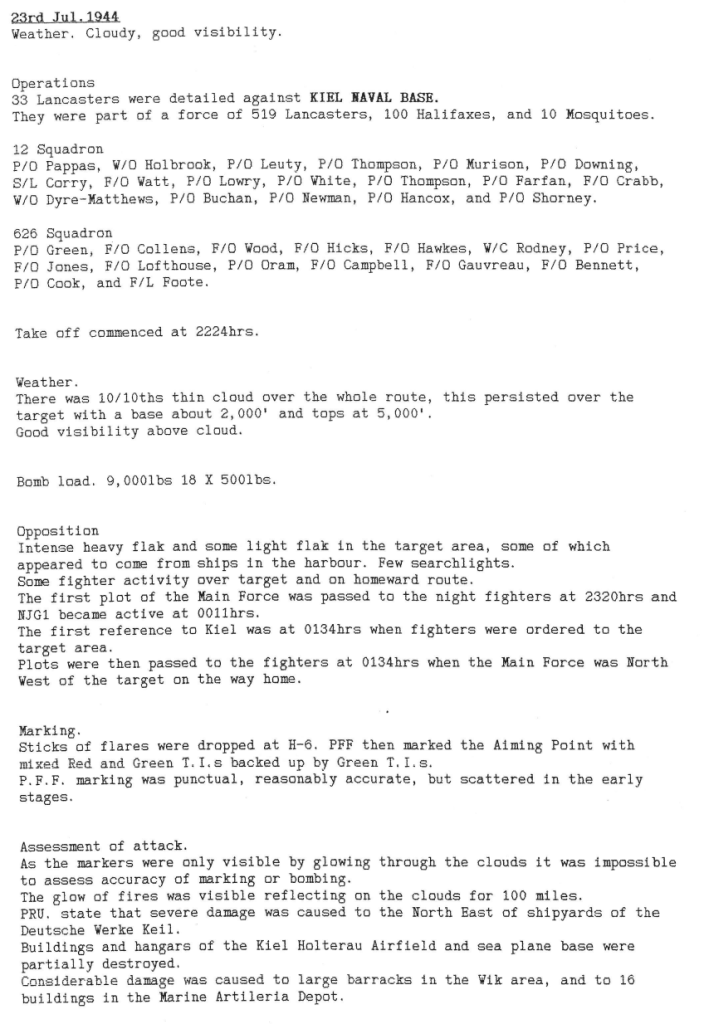
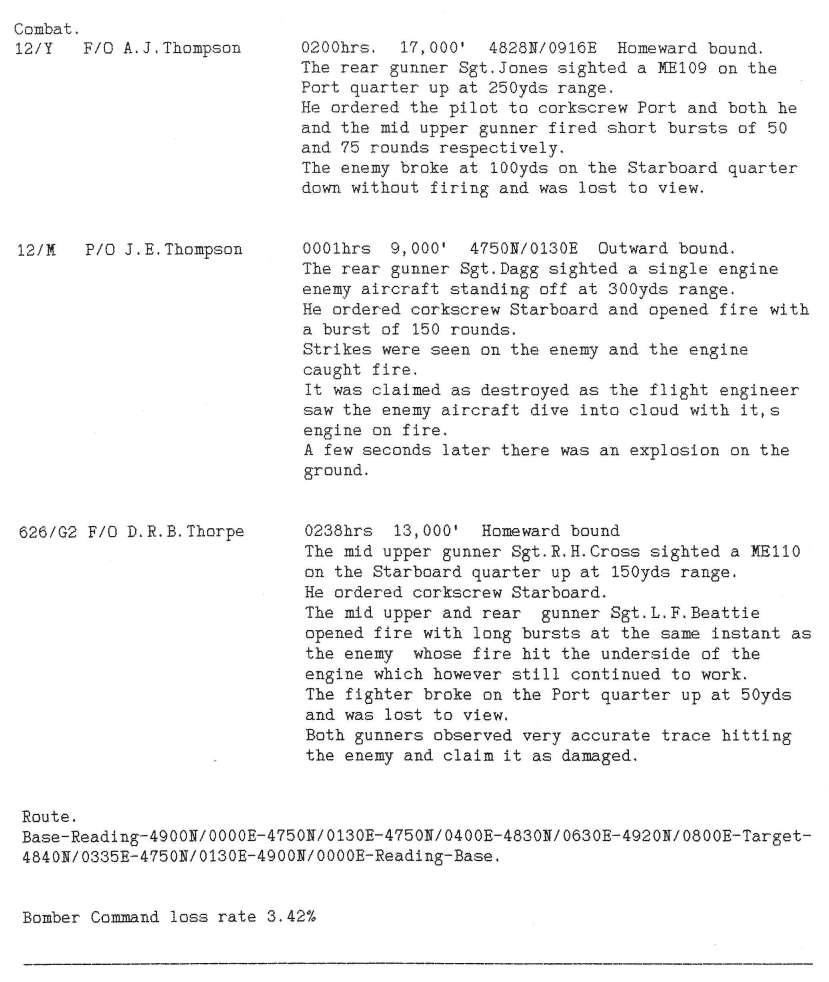
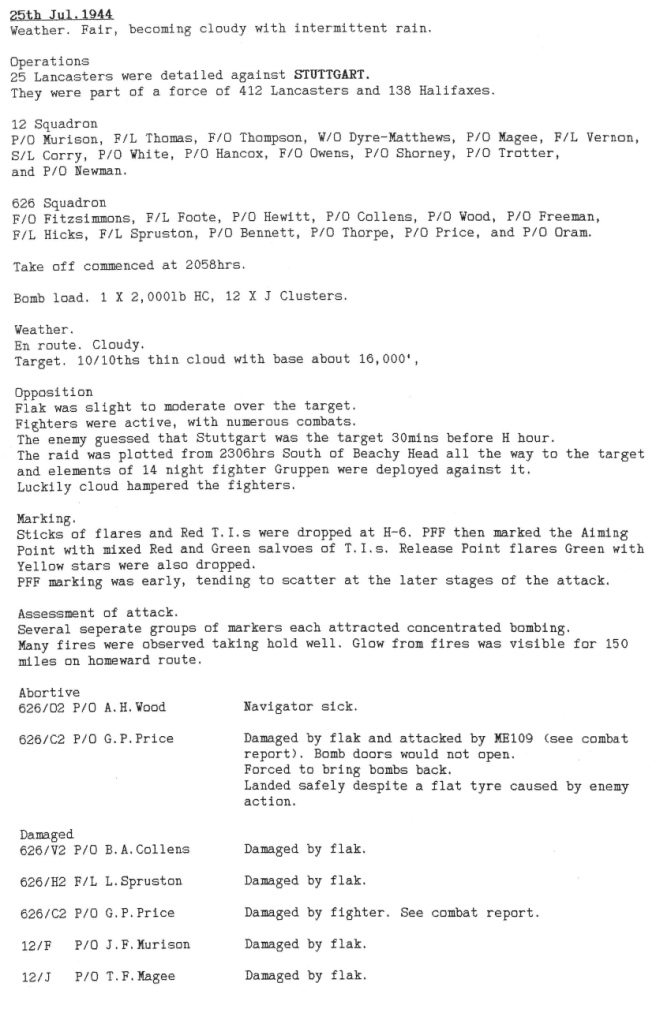
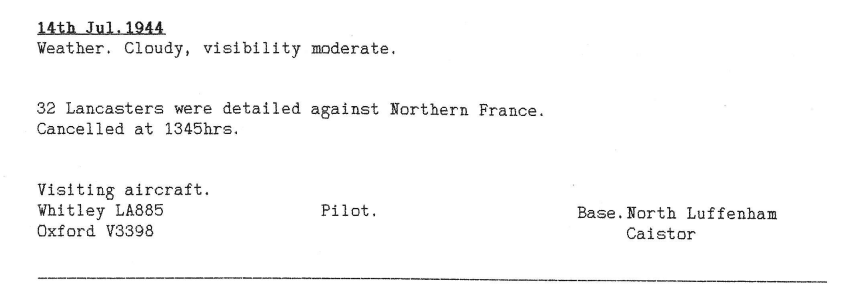
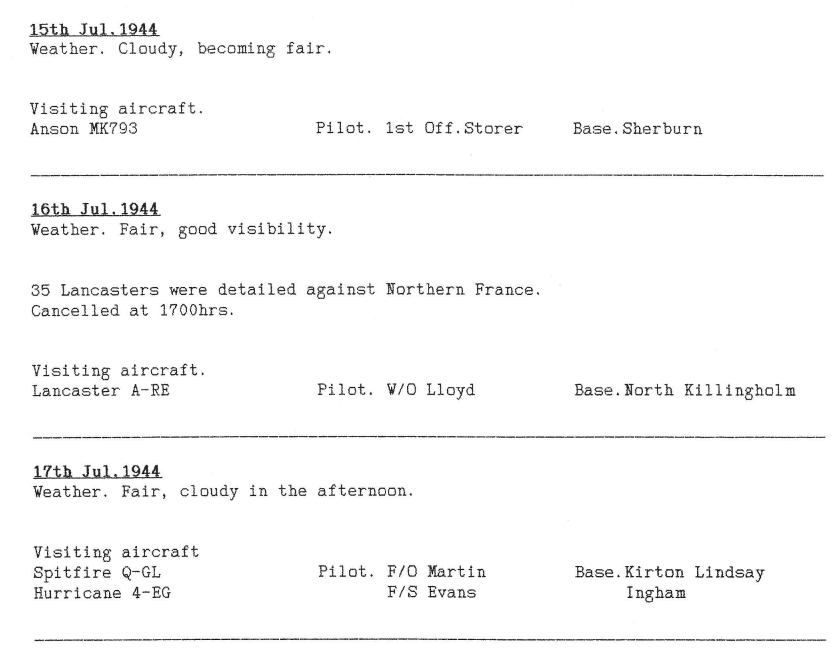
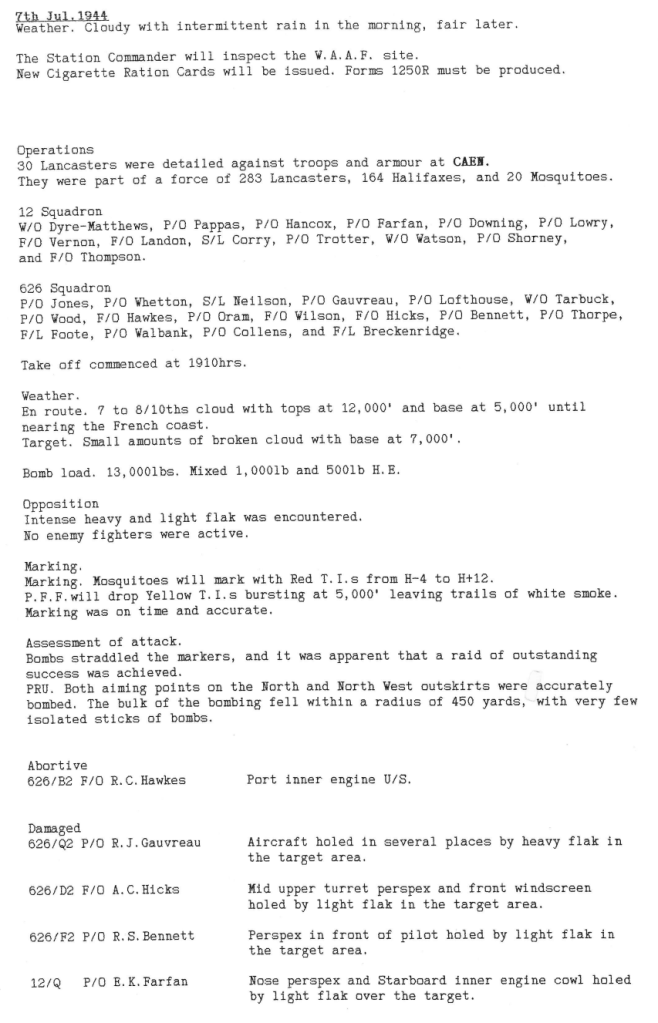
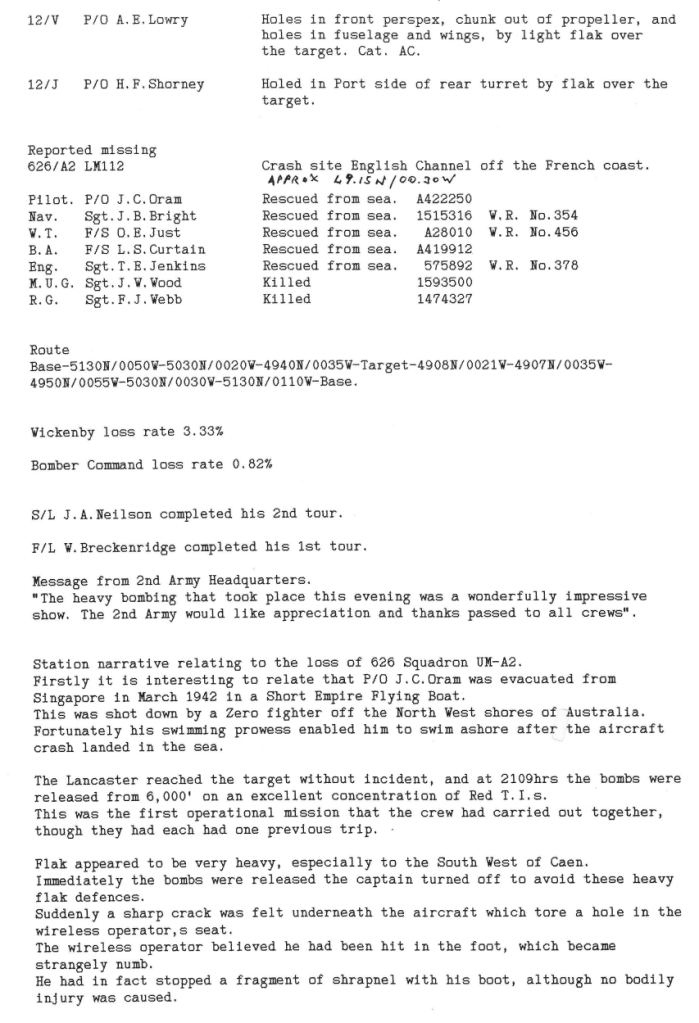
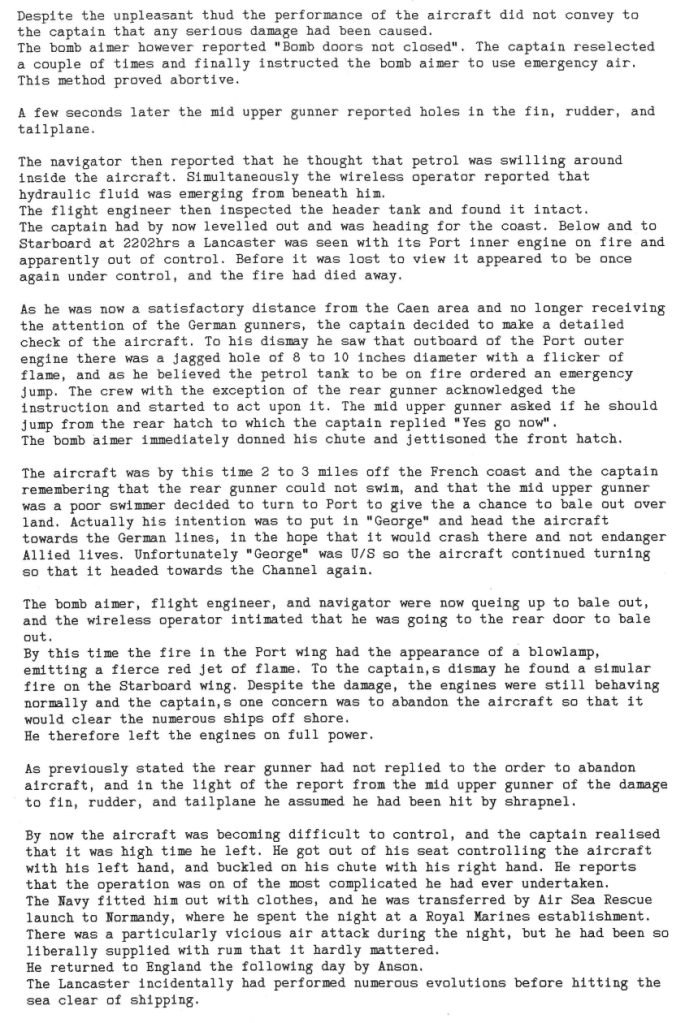
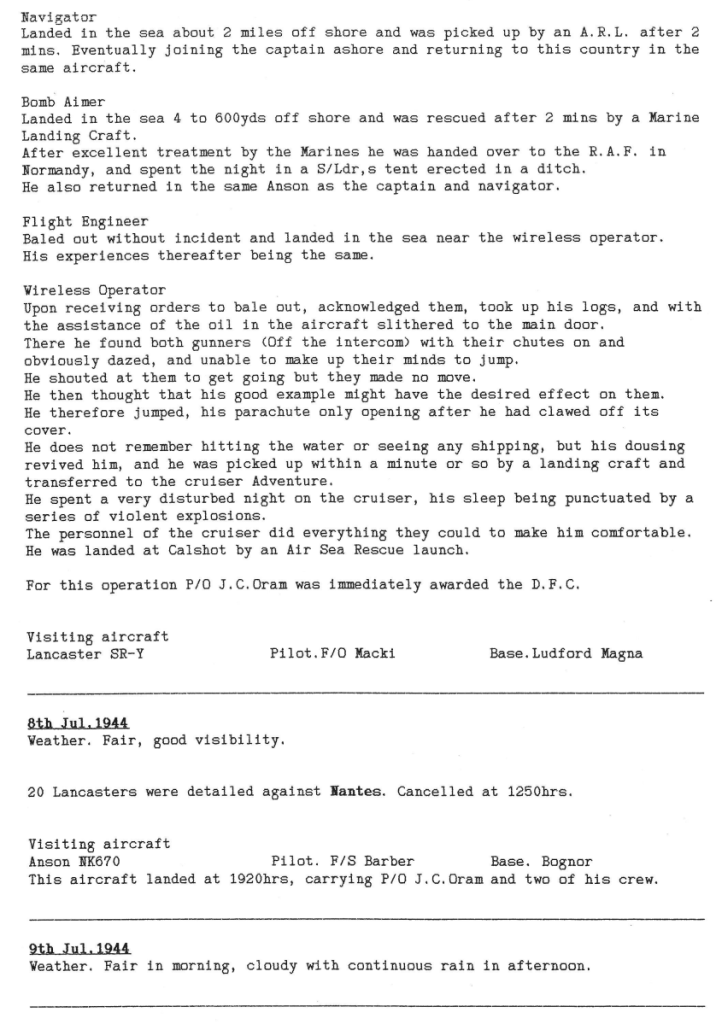
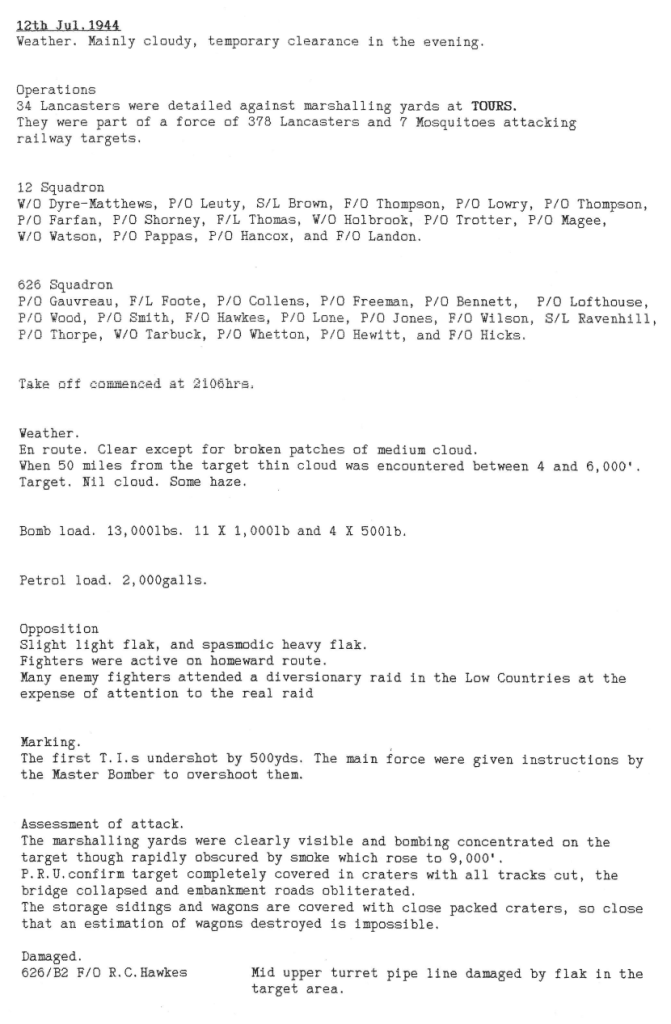
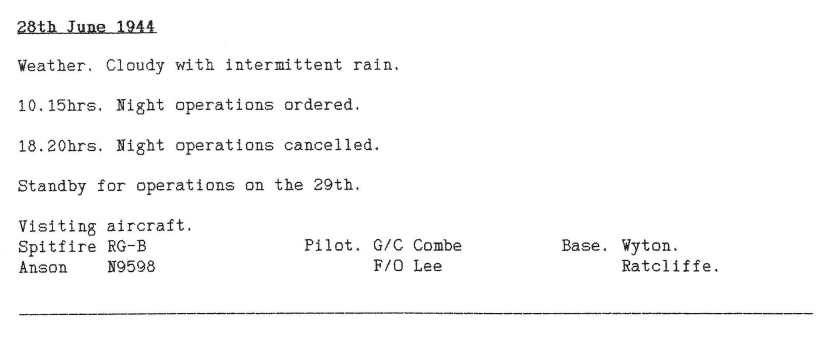
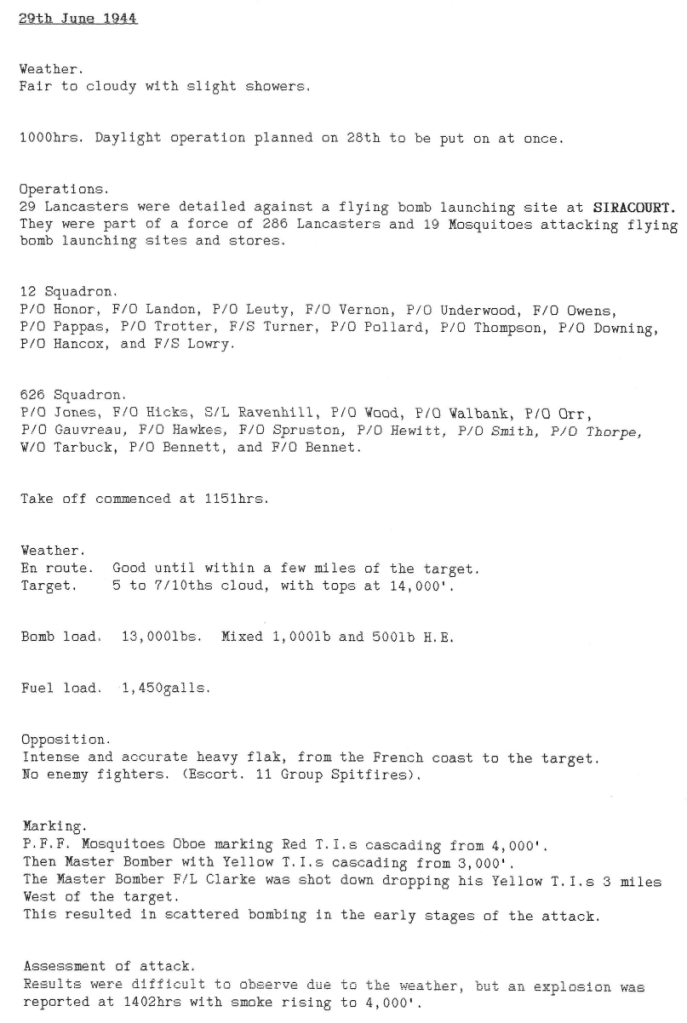
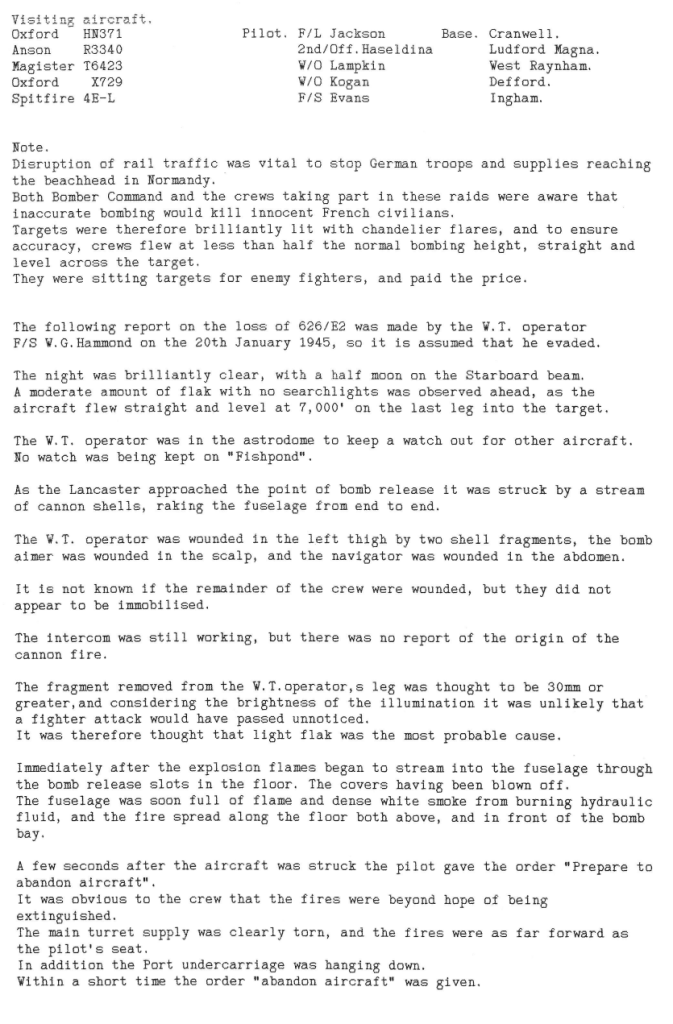
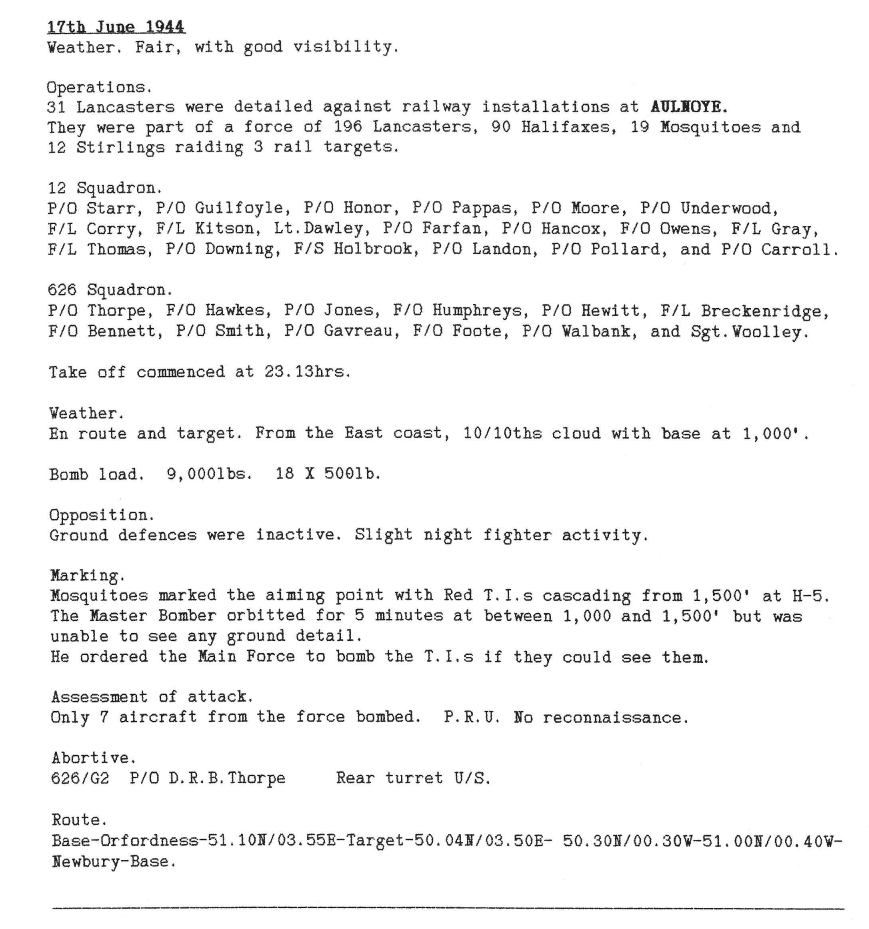
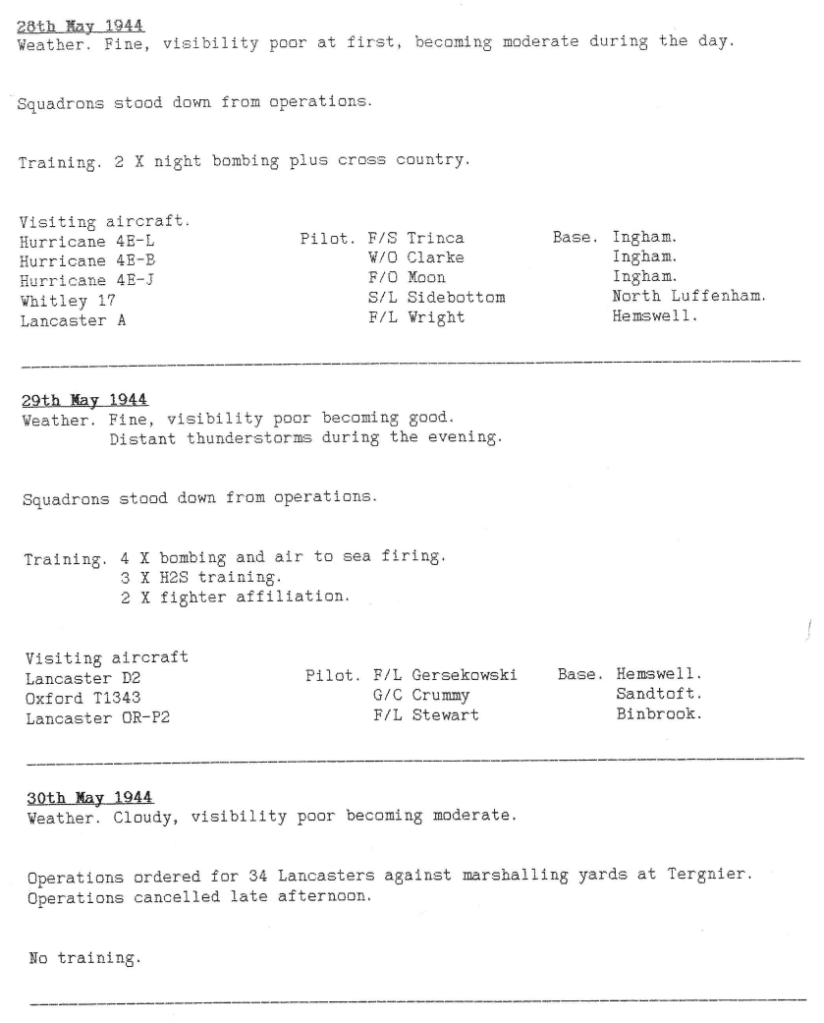
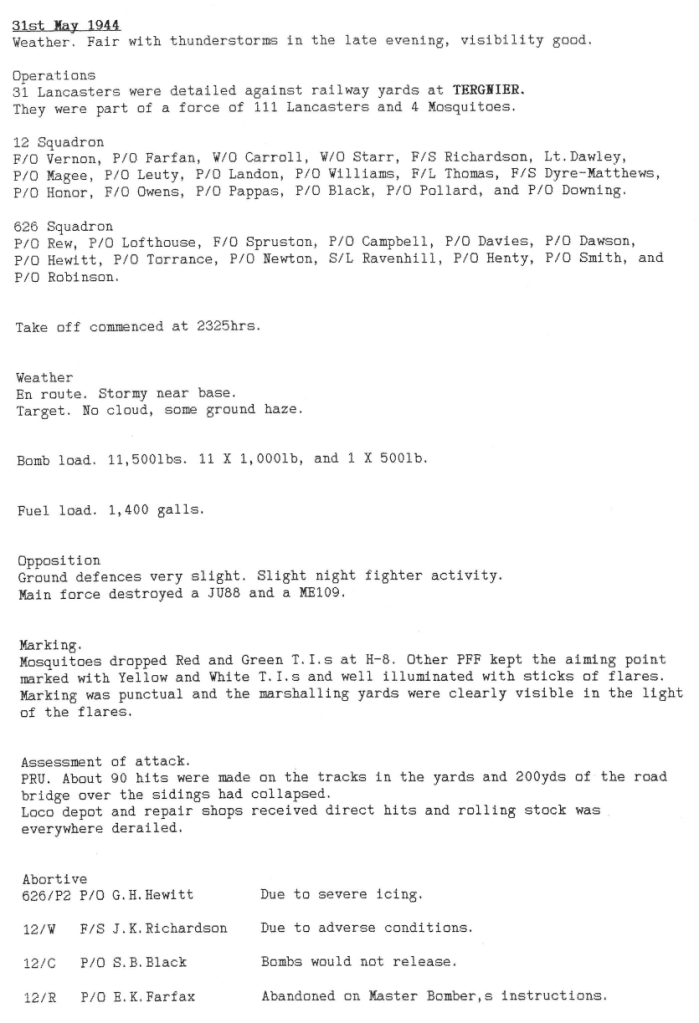
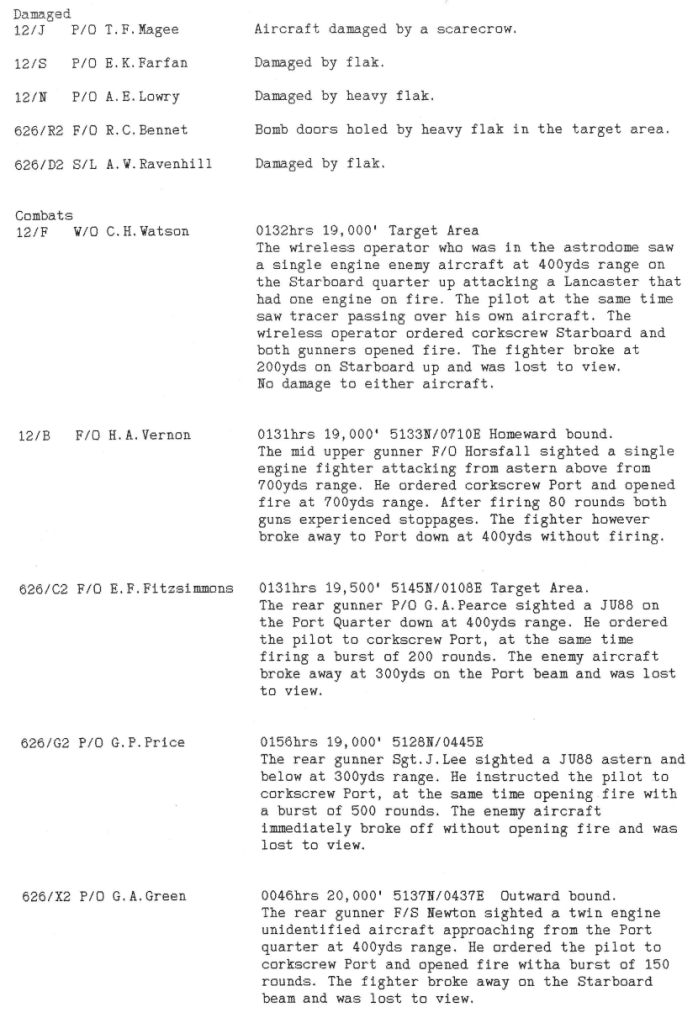
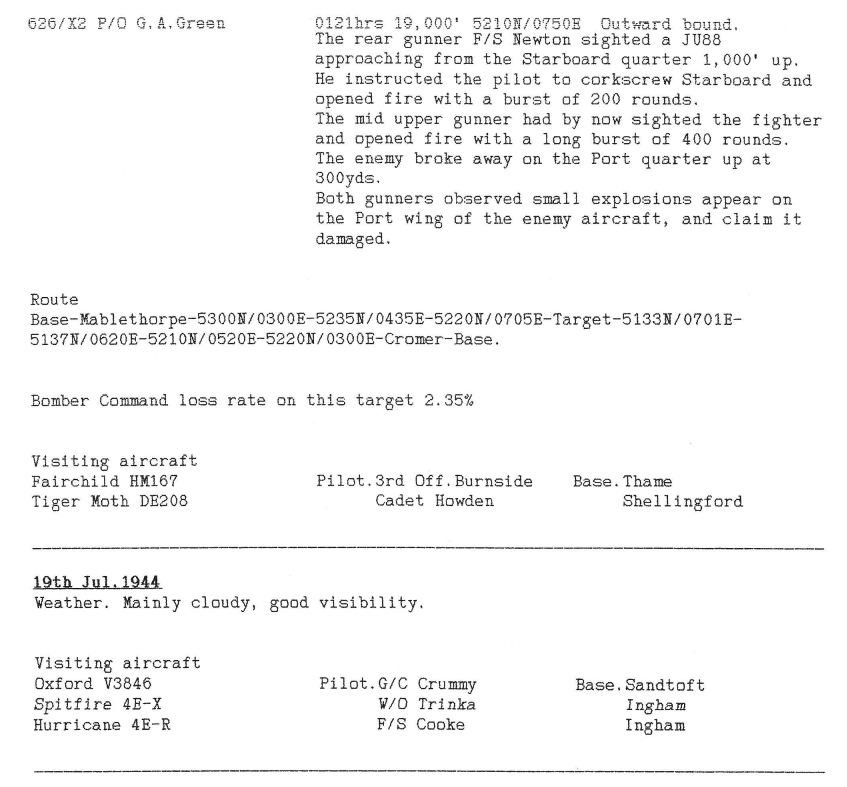
Extract from Station Diary
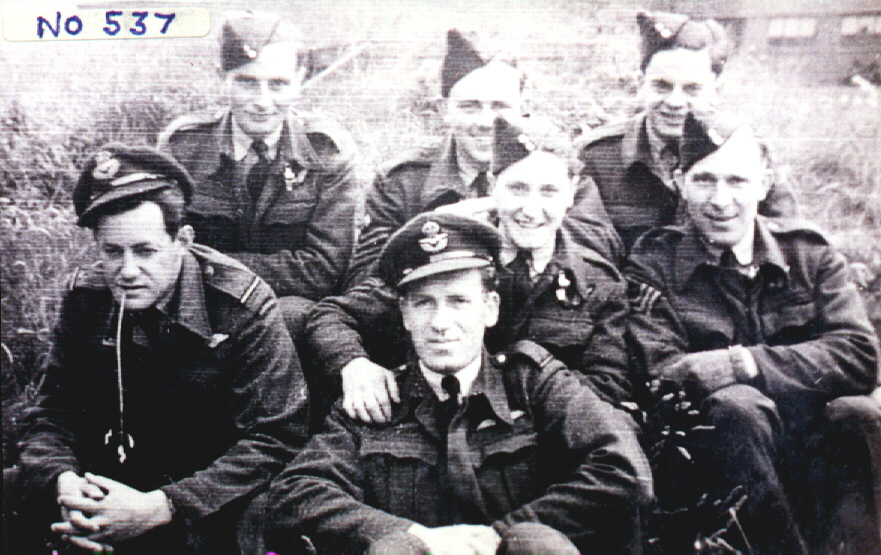
Flying Officer William Wilson, aged 33 (front centre) and his crew, who were all killed on 20th July 1944.

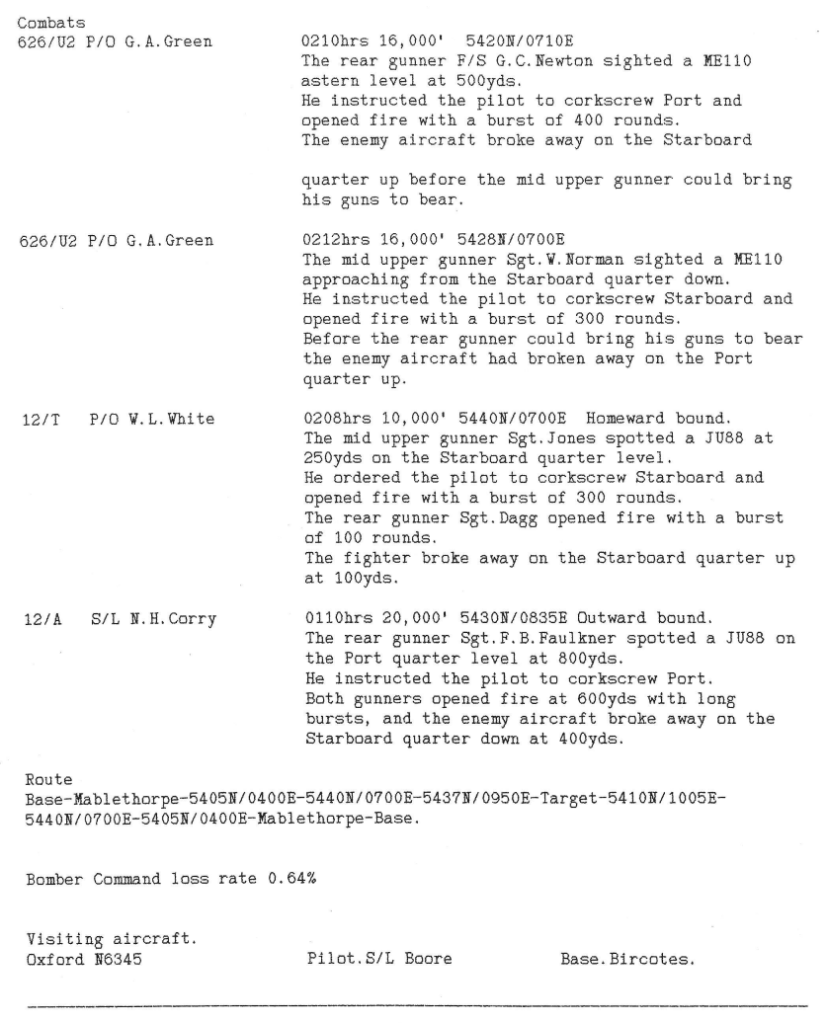
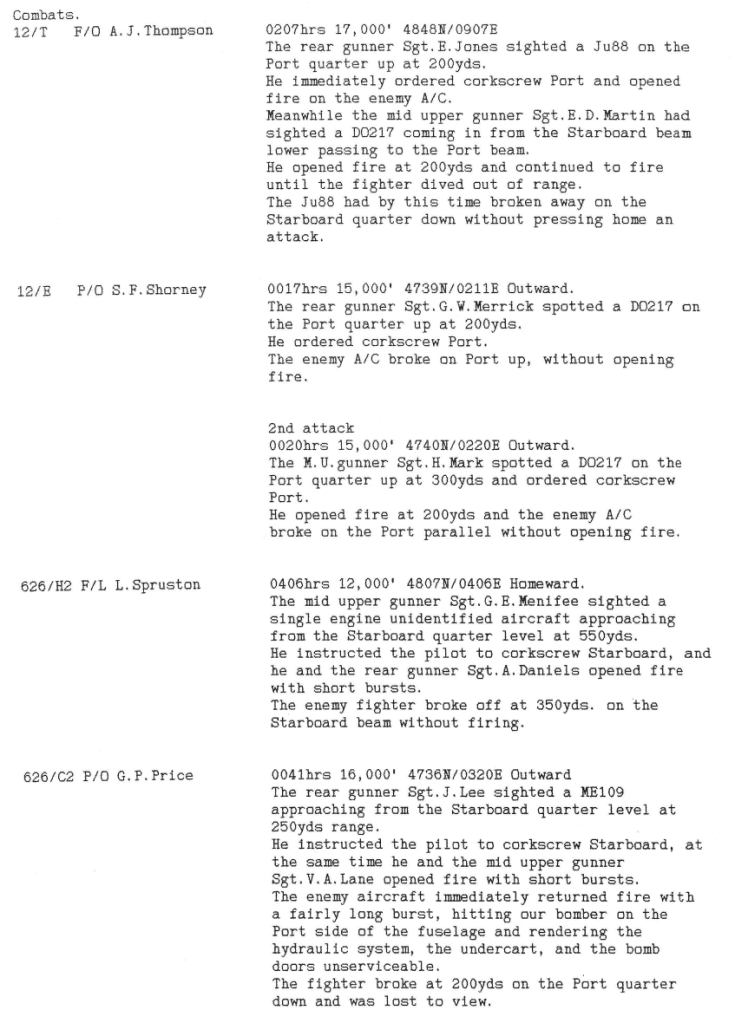
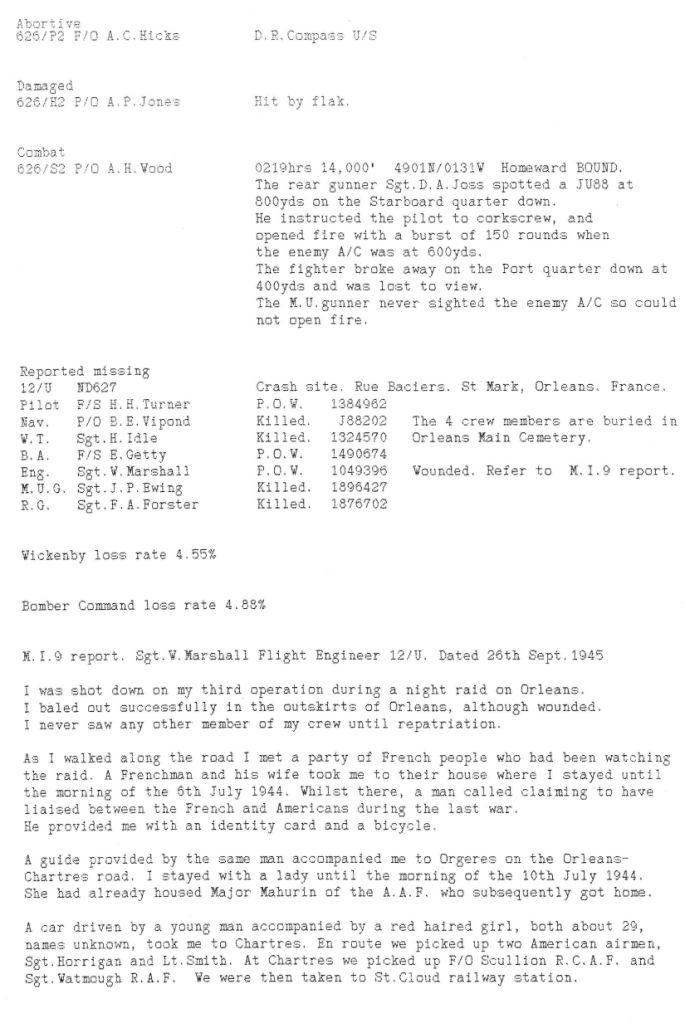
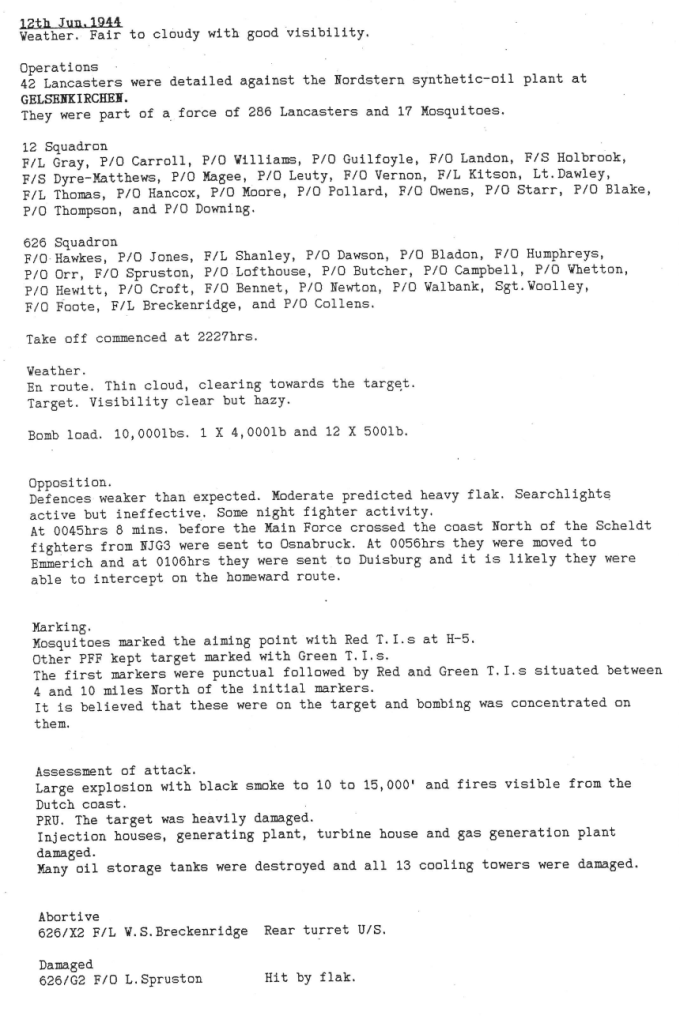
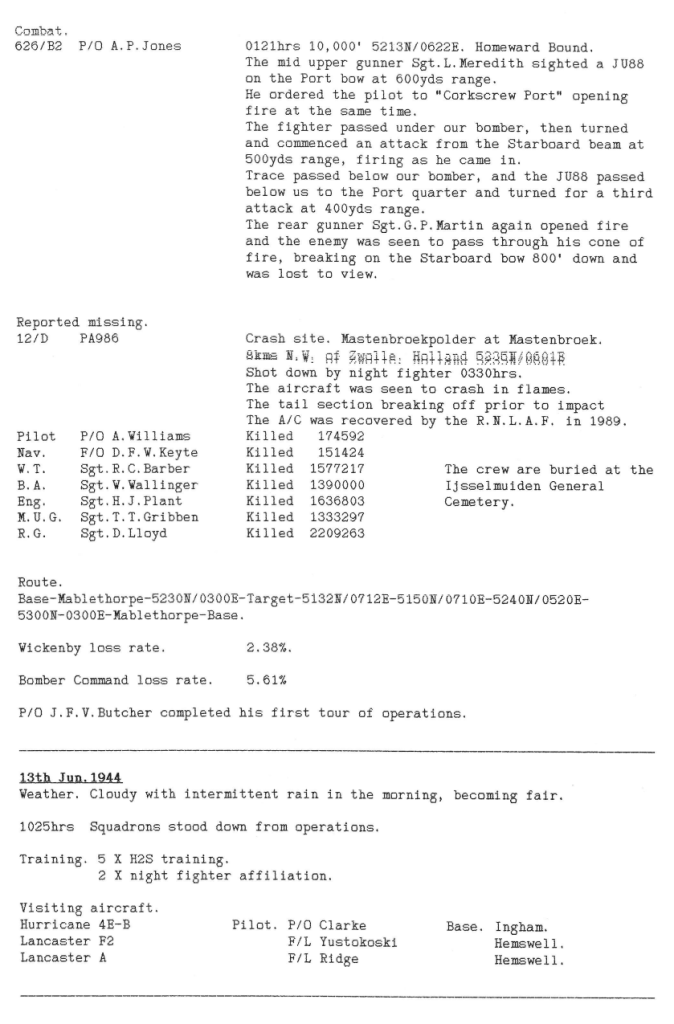
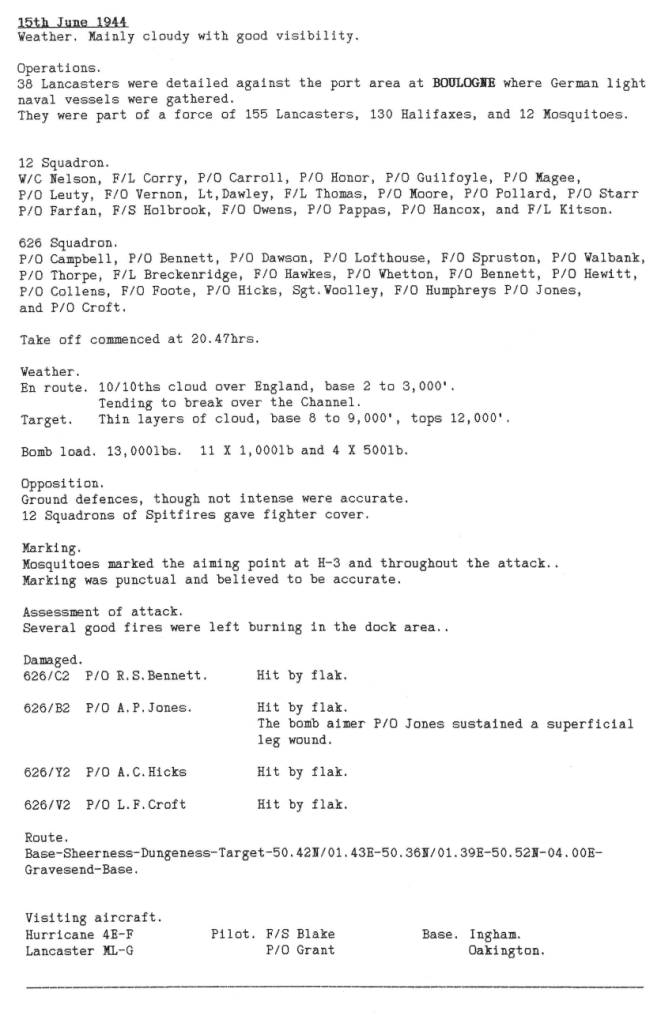
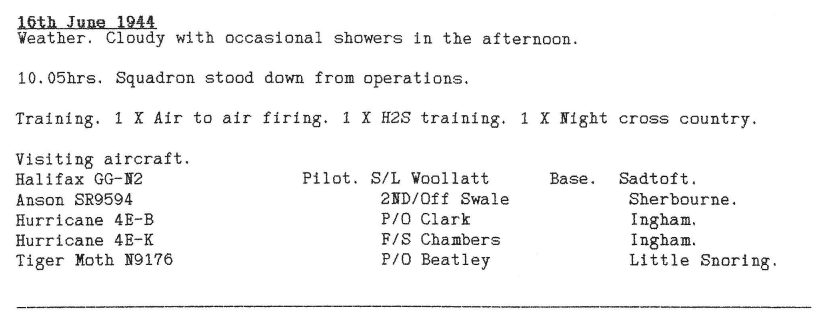
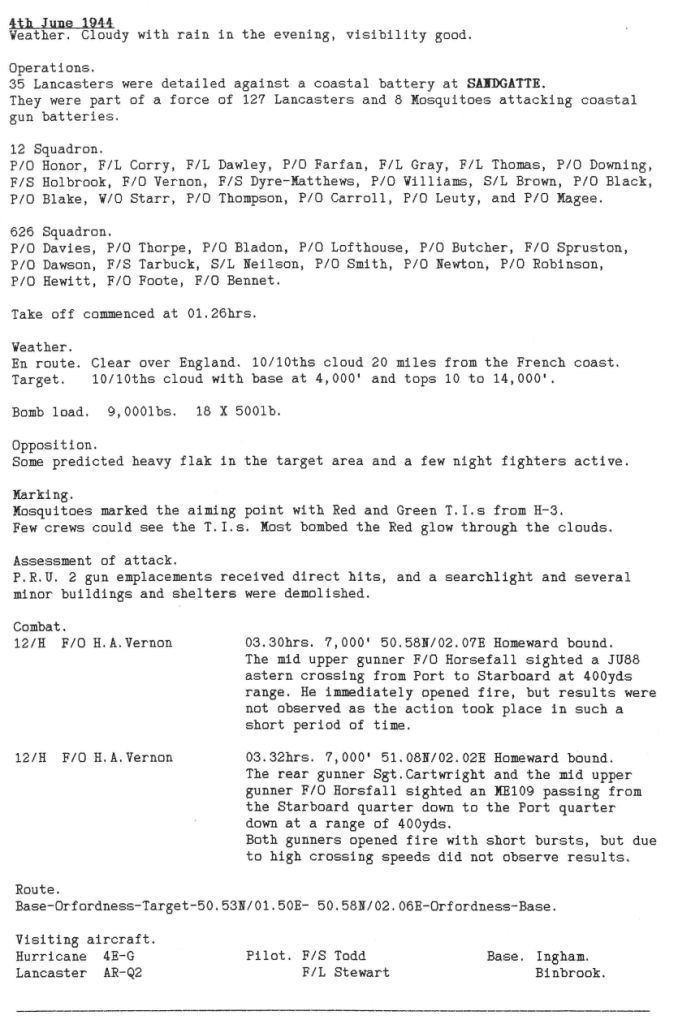
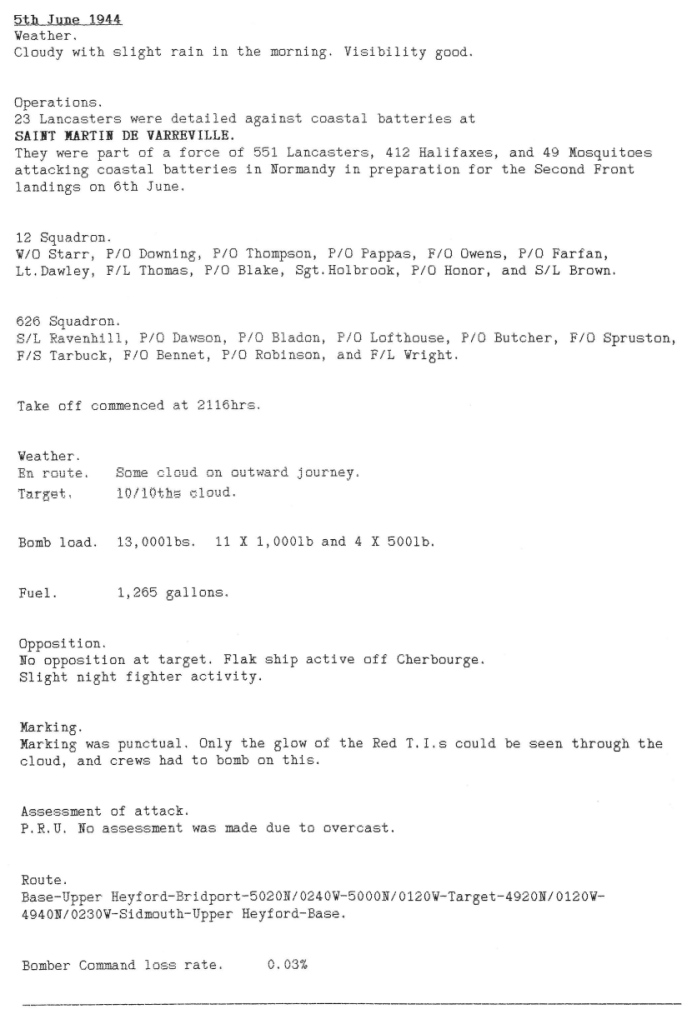
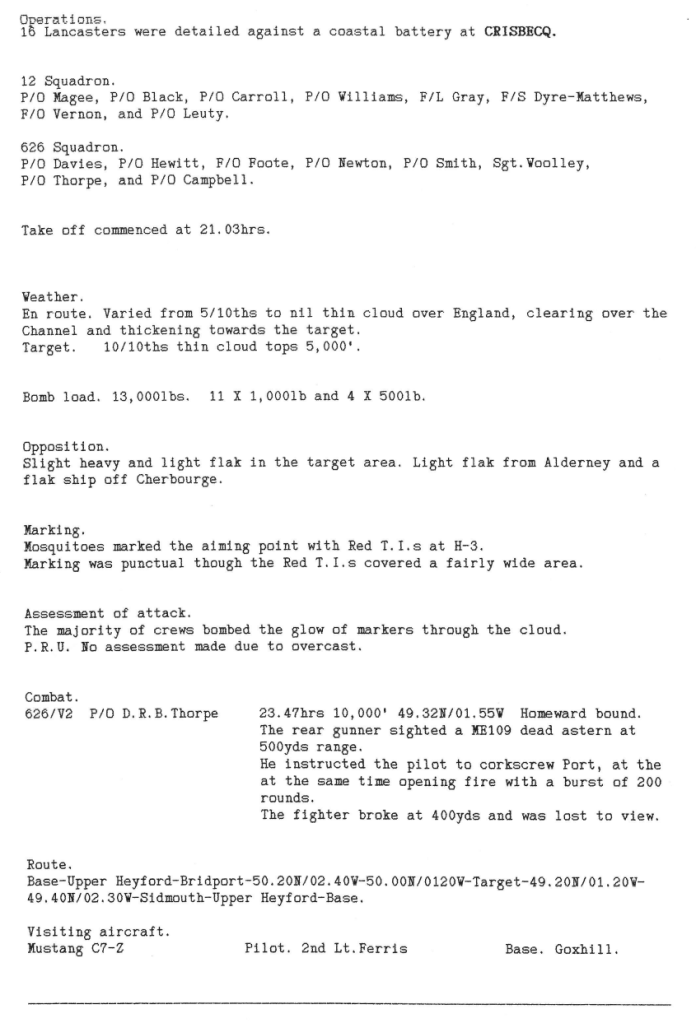
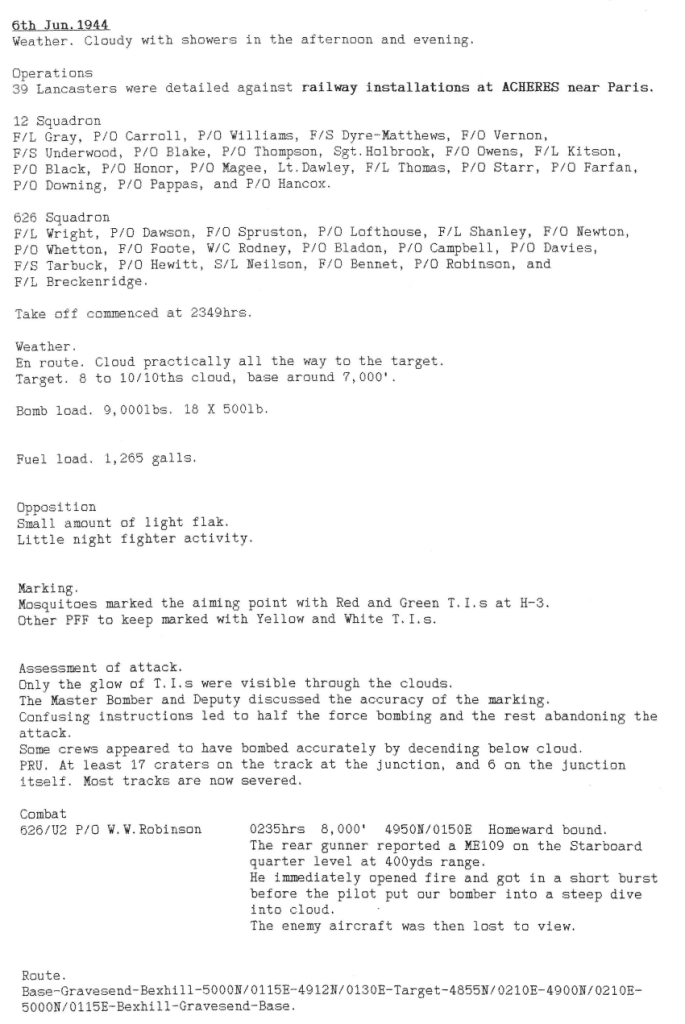
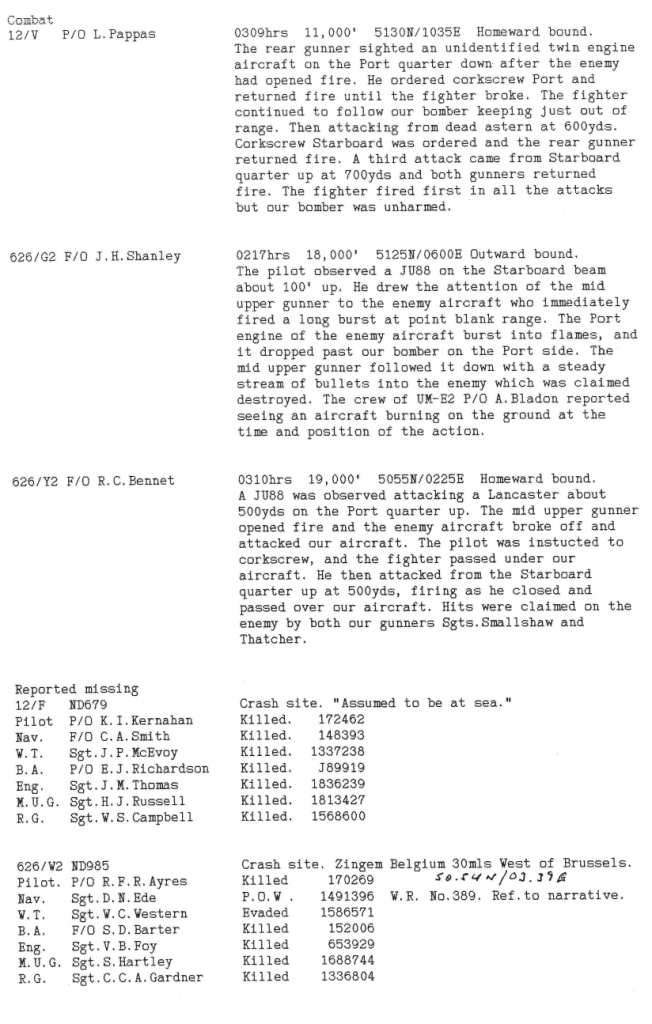
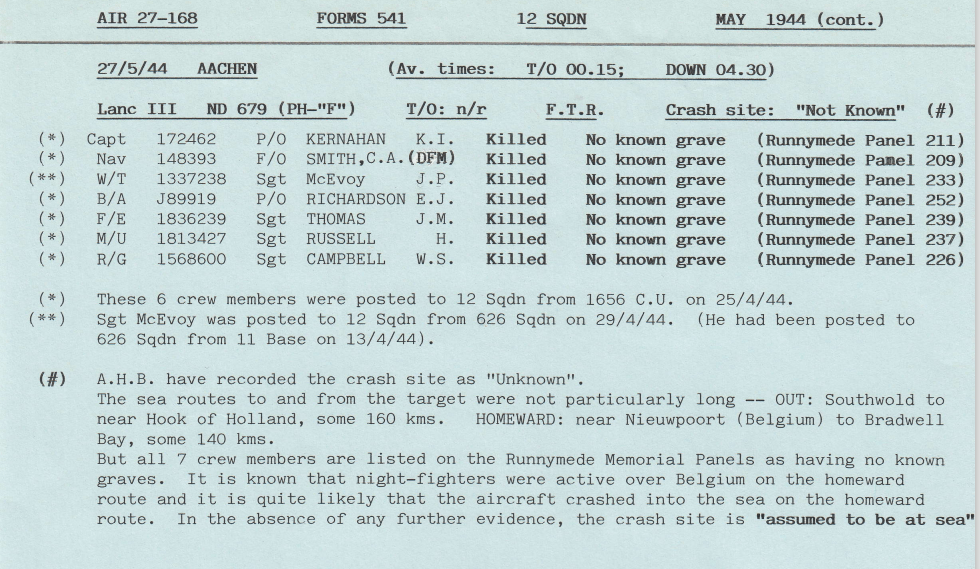
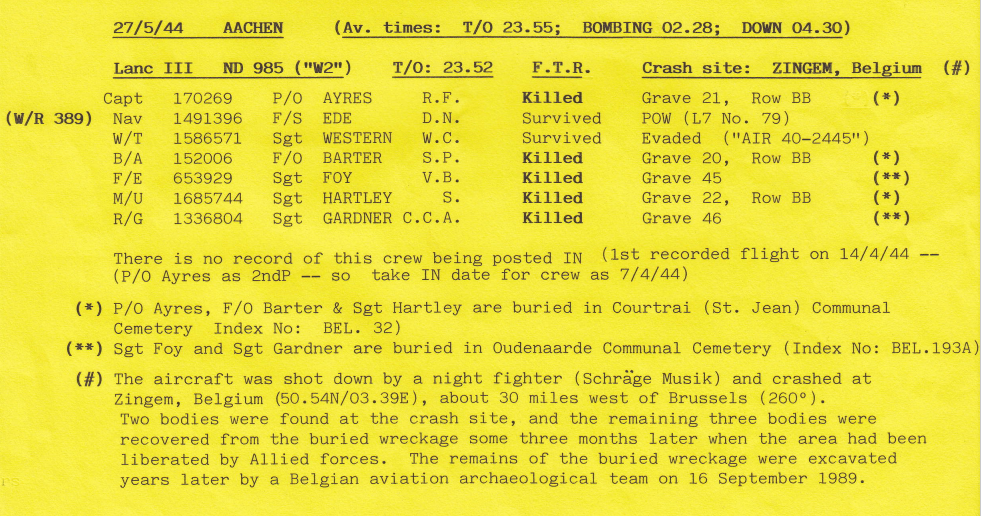
Extract from 12 Sqn Appendix to Operational Record Book

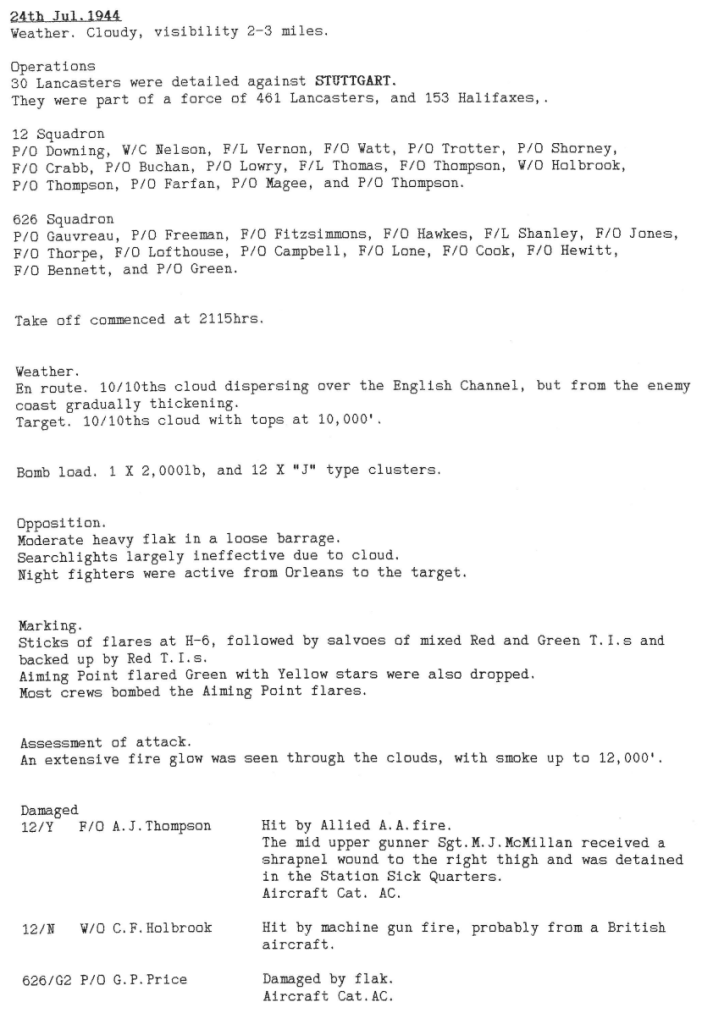
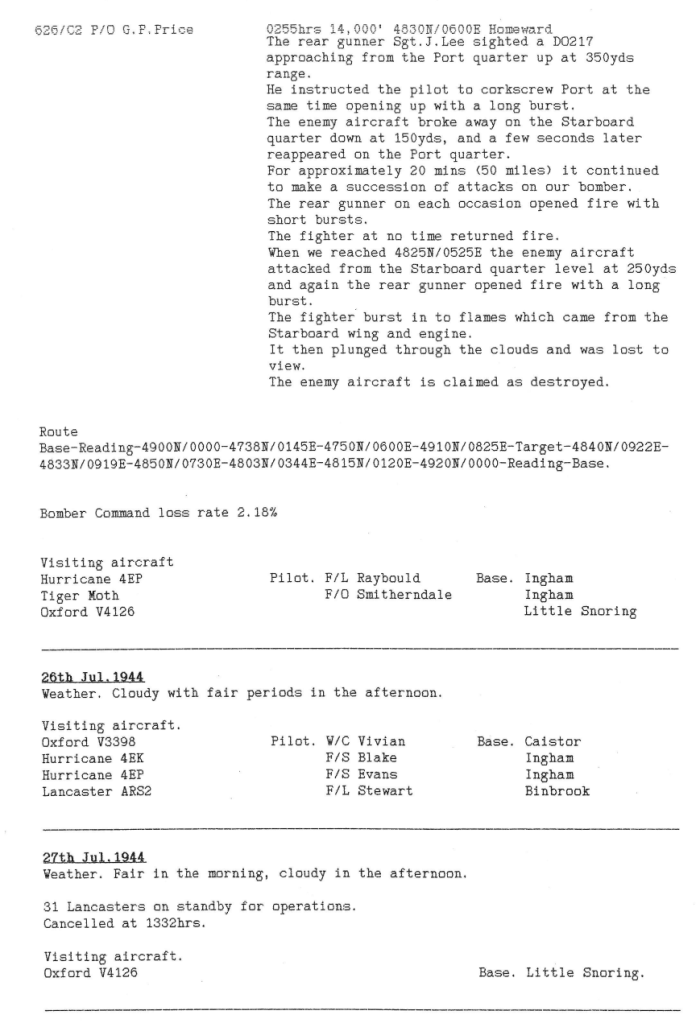
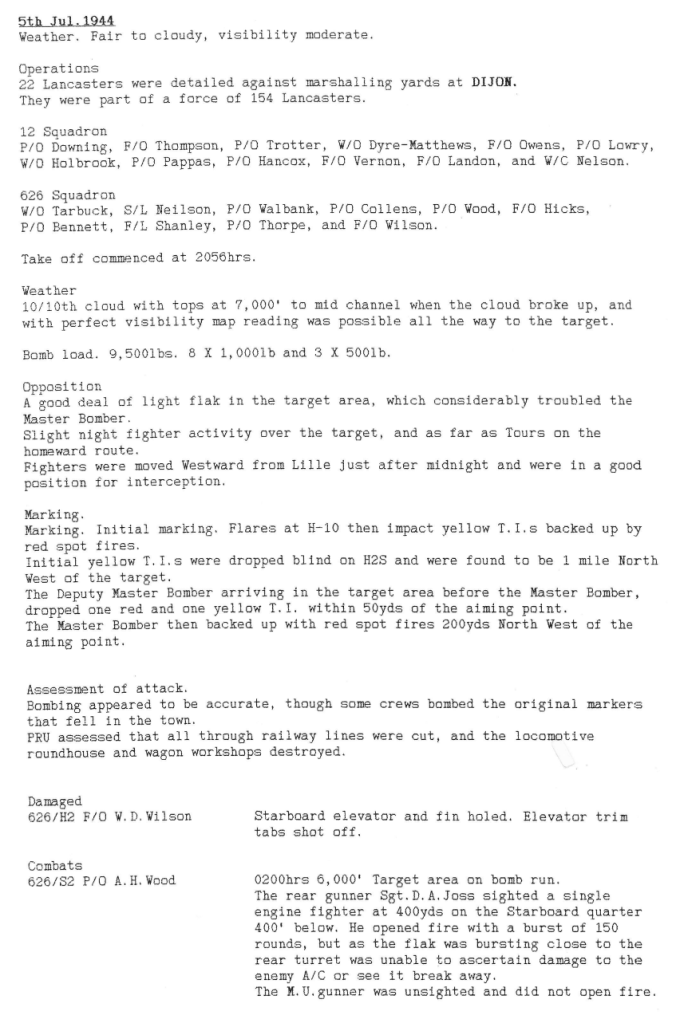
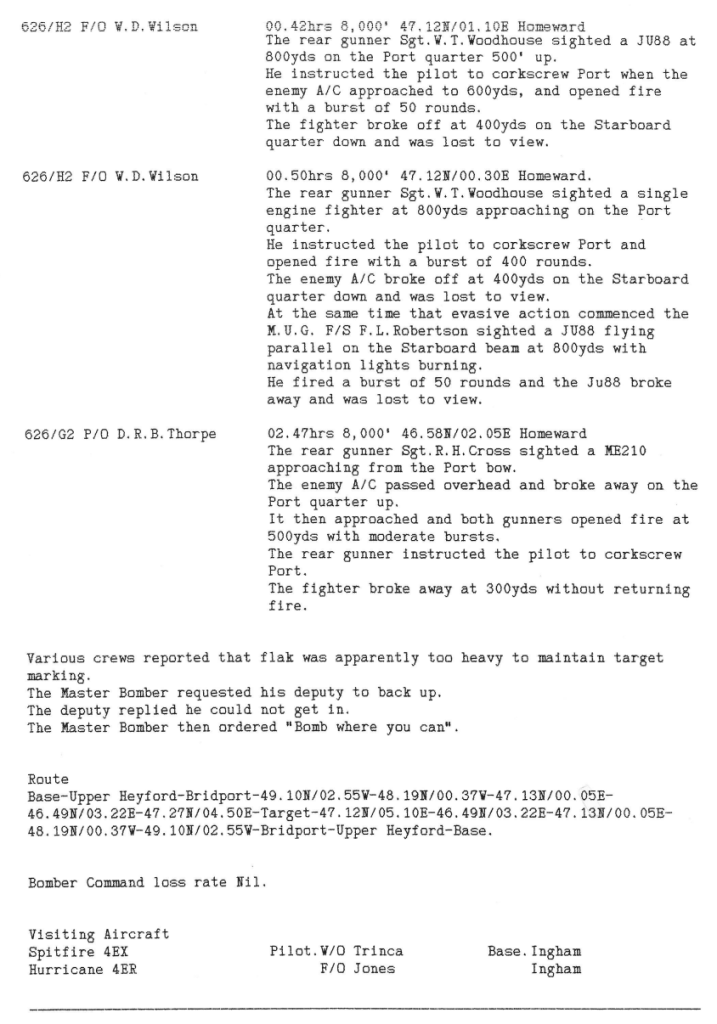
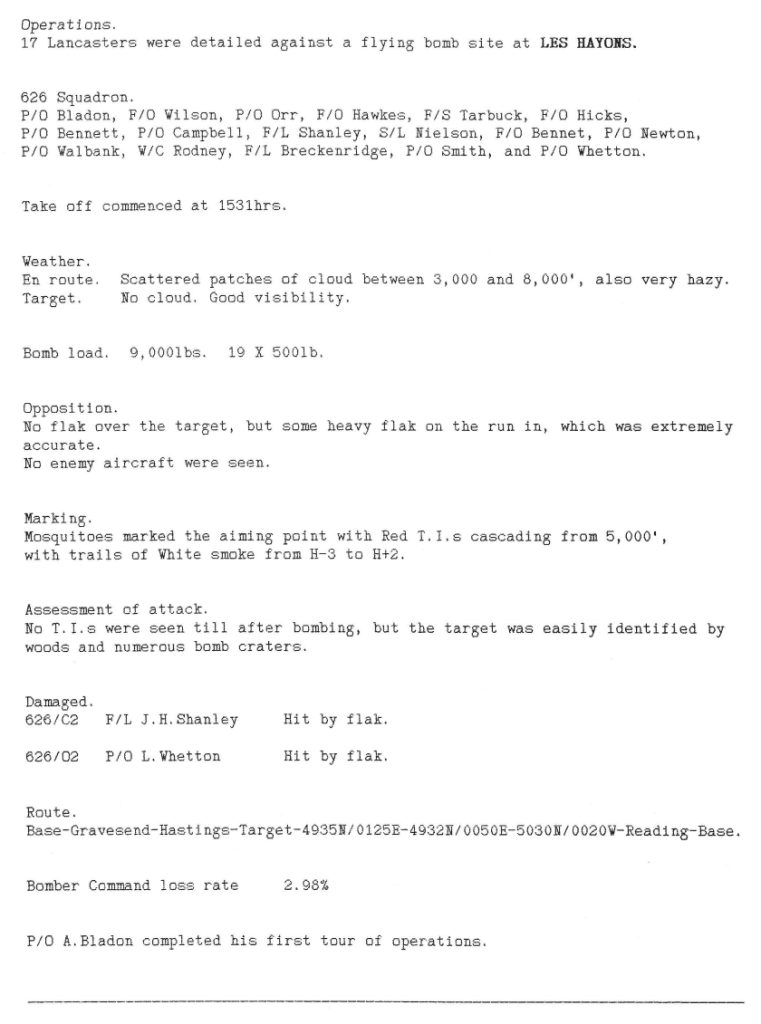
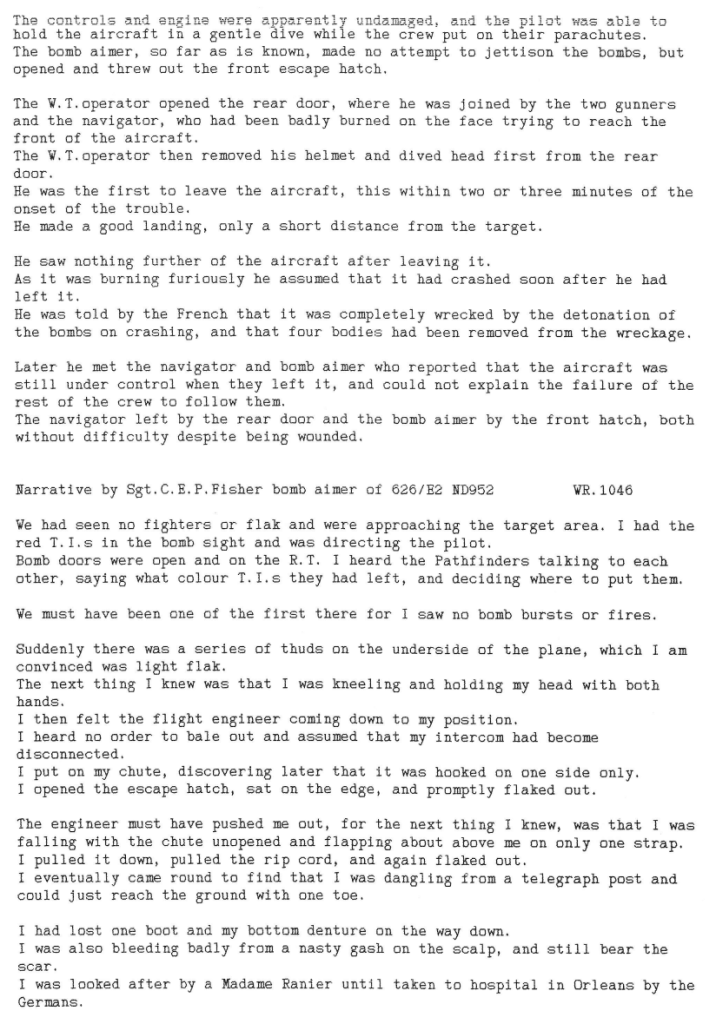
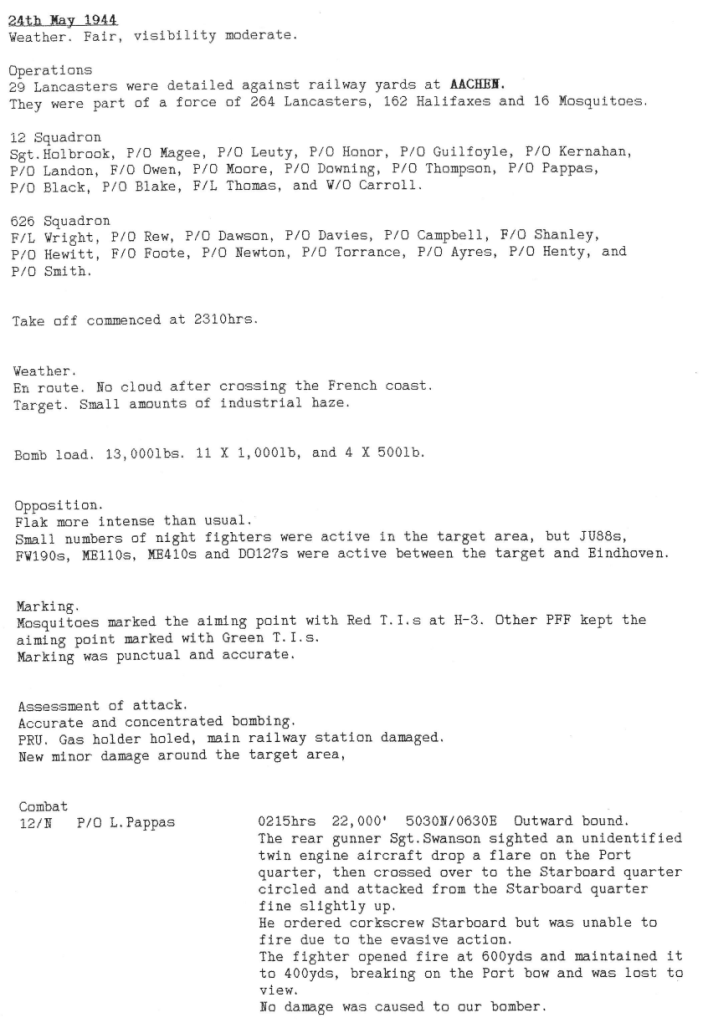
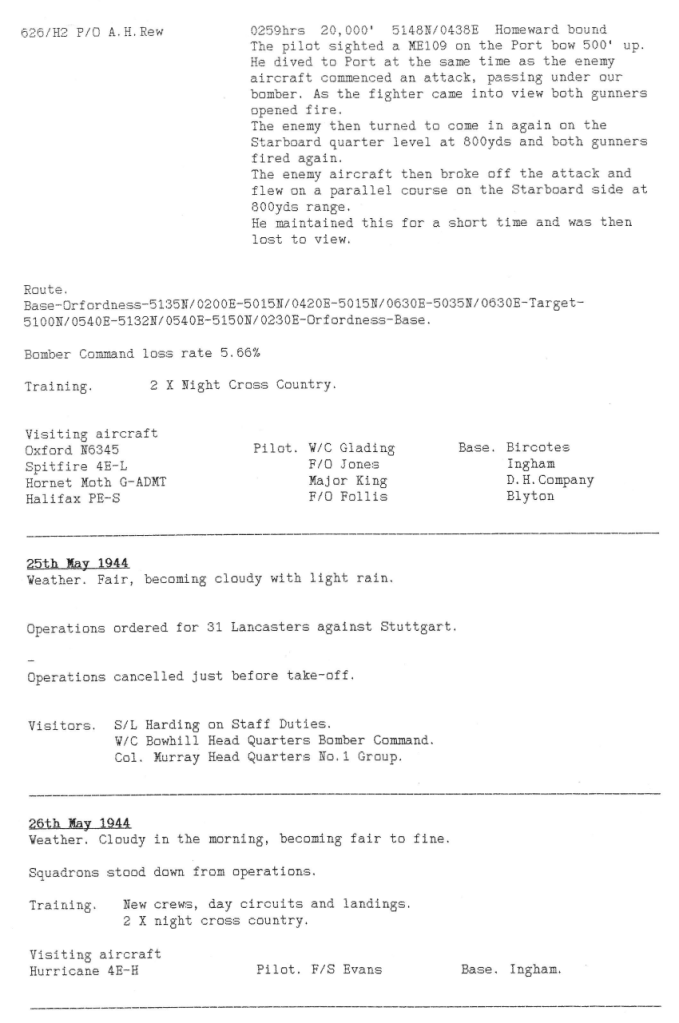
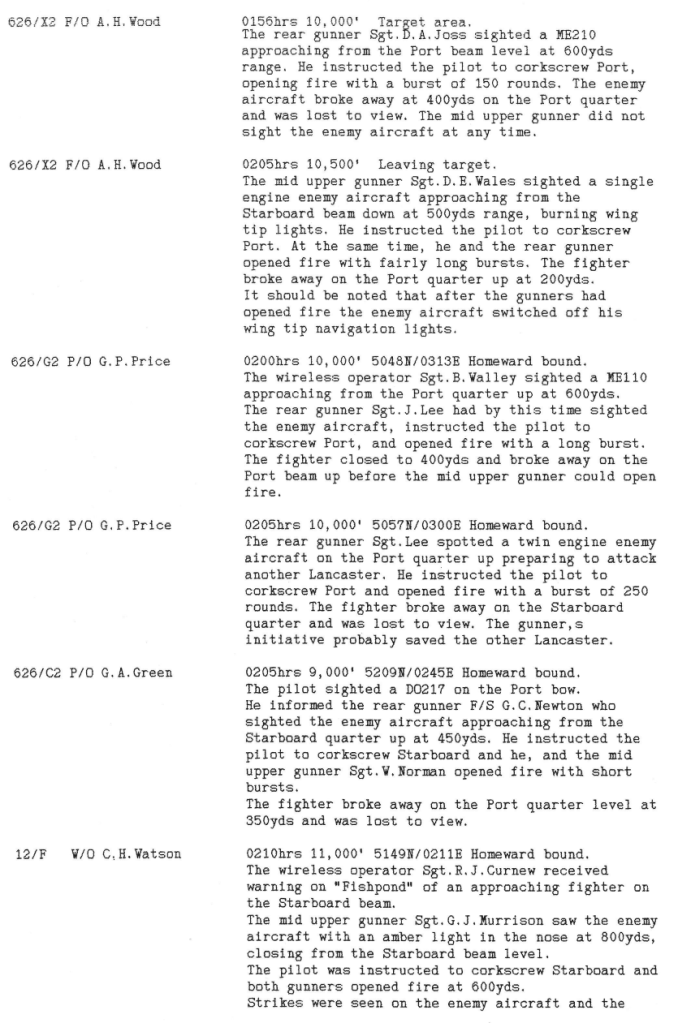
Extract from 626 Sqn Appendix to Operational Record Book

7-13 July 1944

Overview

There were only 2 operations this week, to Caen and Tours, in support of the Allied forces trying to break out of the Normandy peninsular. One aircraft was lost over the Channel, with 2 aircrew killed. The aircraft lost was piloted by Pilot Officer J Oram, an Australian, who had already survived another crash landing on water in escaping from the Japanese invasion of Singapore. His son, a Wing Commander in the Australian Air Force, visited Wickenby last year with his family.

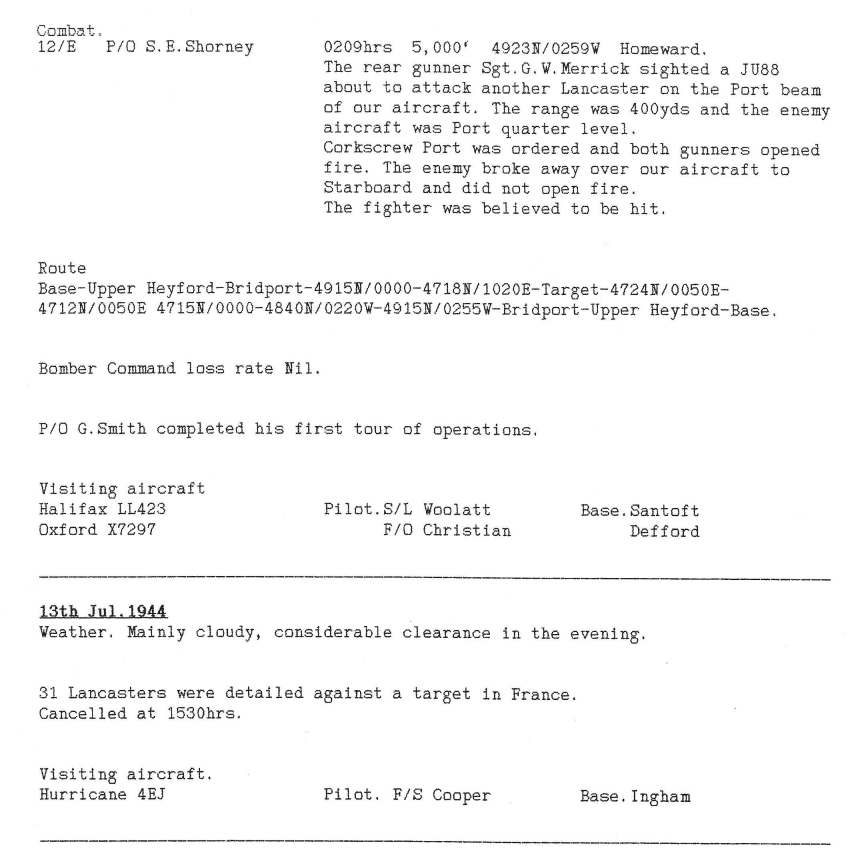
Extract from Station Diary
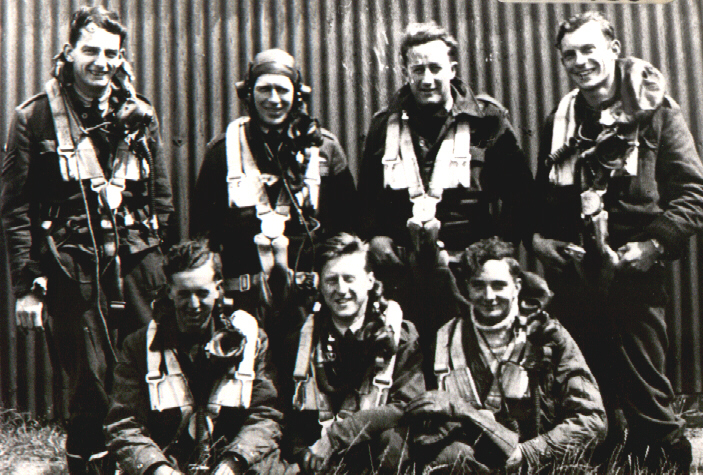
Pilot Officer Oram and his crew mentioned in the Station Diary extract above – Top L to R, F/Sgt Leo Curtain – B/A, F/O Johnny Oram – Pilot, WO E Just – W/Op (456), F/Sgt Trevor Jenkins – F/E (378),Bottom, Sgt “Logger” Wood – M/U (killed), F/O John Bright – Nav (354), Sgt “Spider” Webb – (killed)

Extract from Appendix to 626 Sqn Operational Record Book

1-6 July 1944

Overview

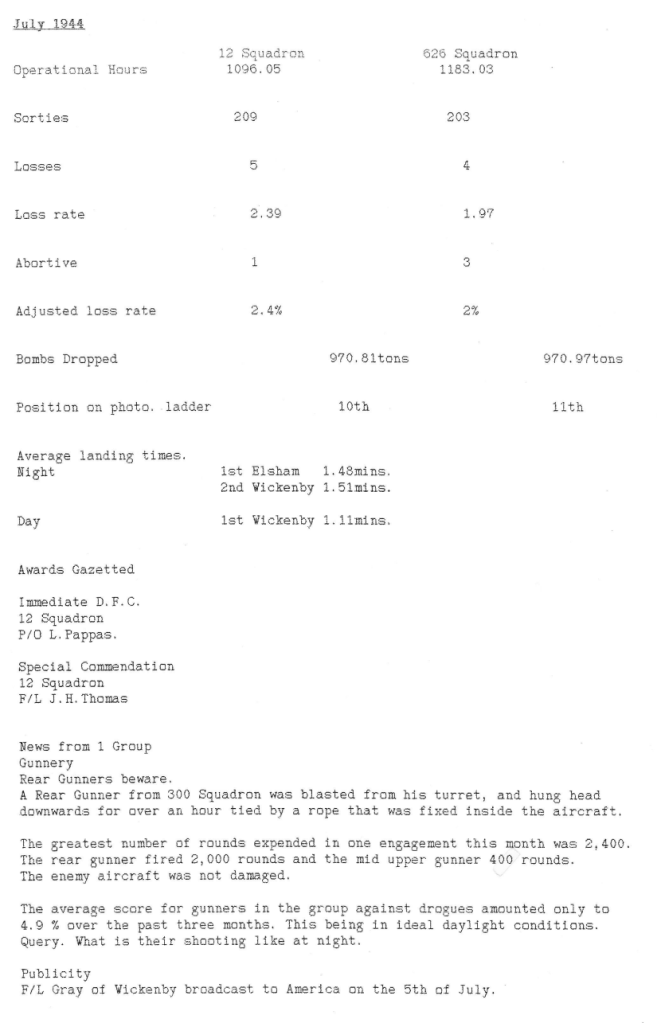
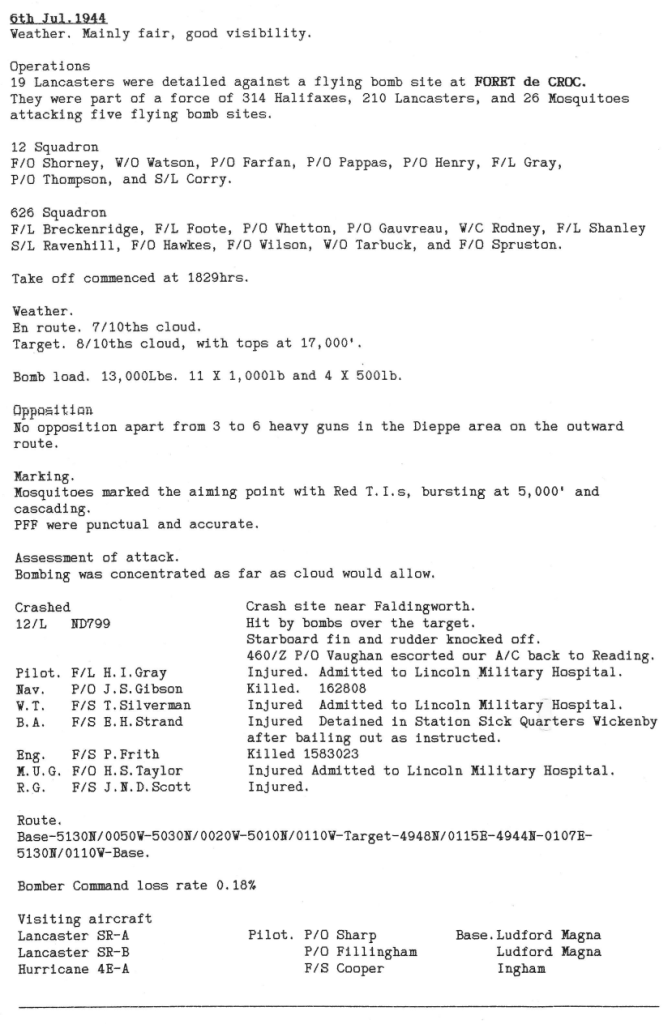
Attacks continued on flying bomb sites and railway marshalling yards in France. There is an interesting comment in the Station Diary about the accuracy of gunners shooting at drones during daylight, which was only 4.9% and wondering what their shooting was like at night!

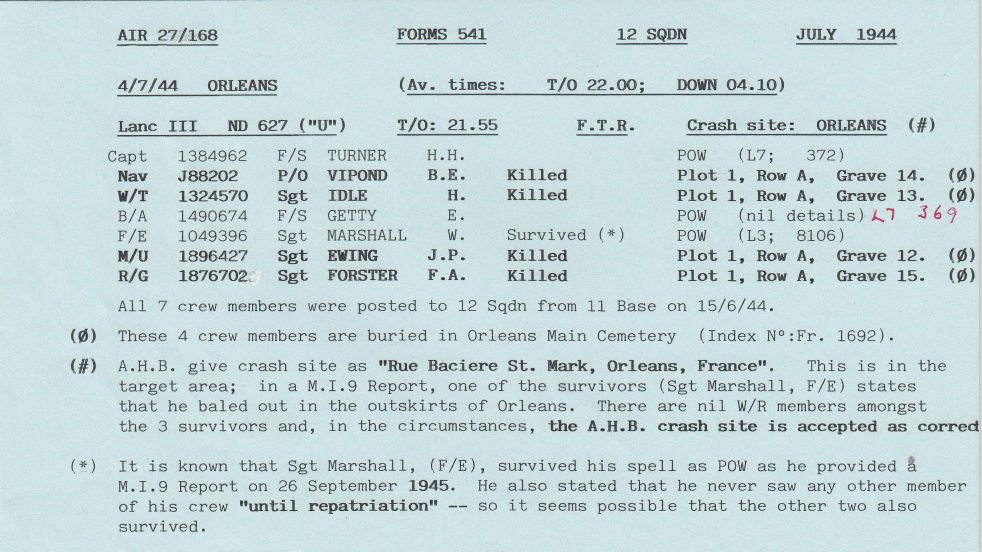
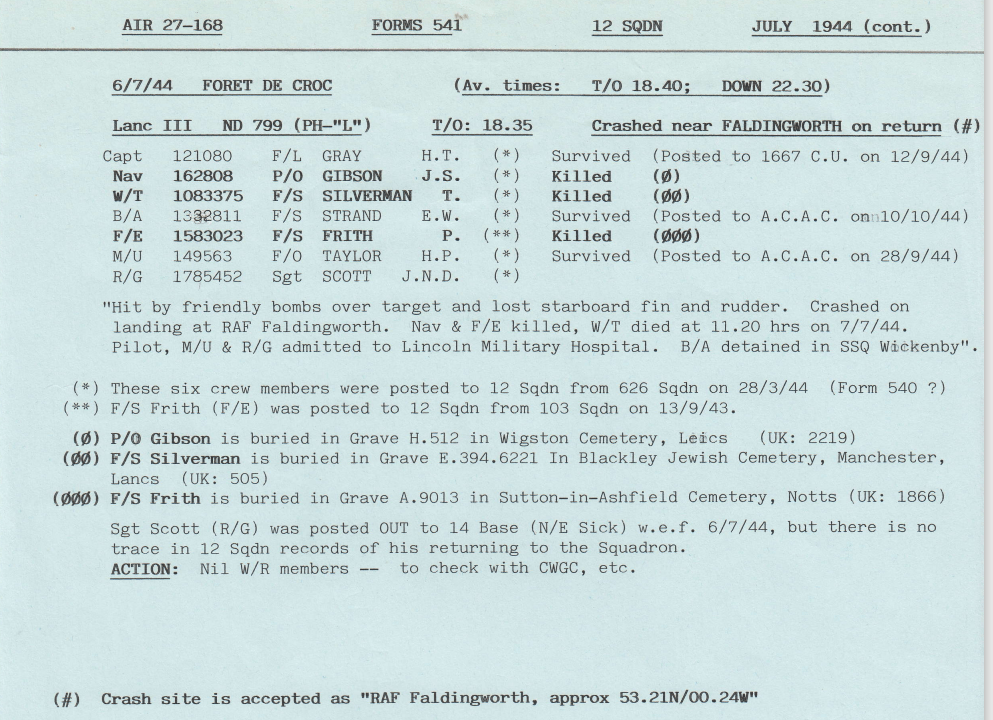
Two aircraft were lost this week, with 6 aircrew killed, 4 becoming POW’s and 5 being injured when one aircraft crashed near Faldingworth, which is just north of Wickenby.

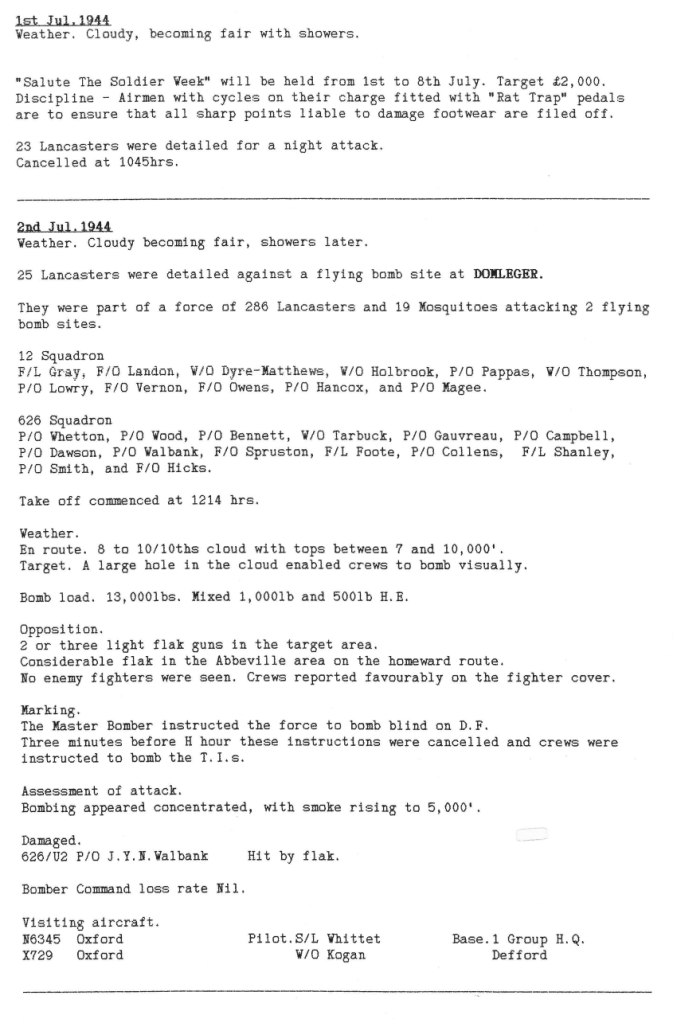
Extract from Station Diary
Extract from 12 Sqn Appendix to Operational Record Book

24-30 June 1944

Overview

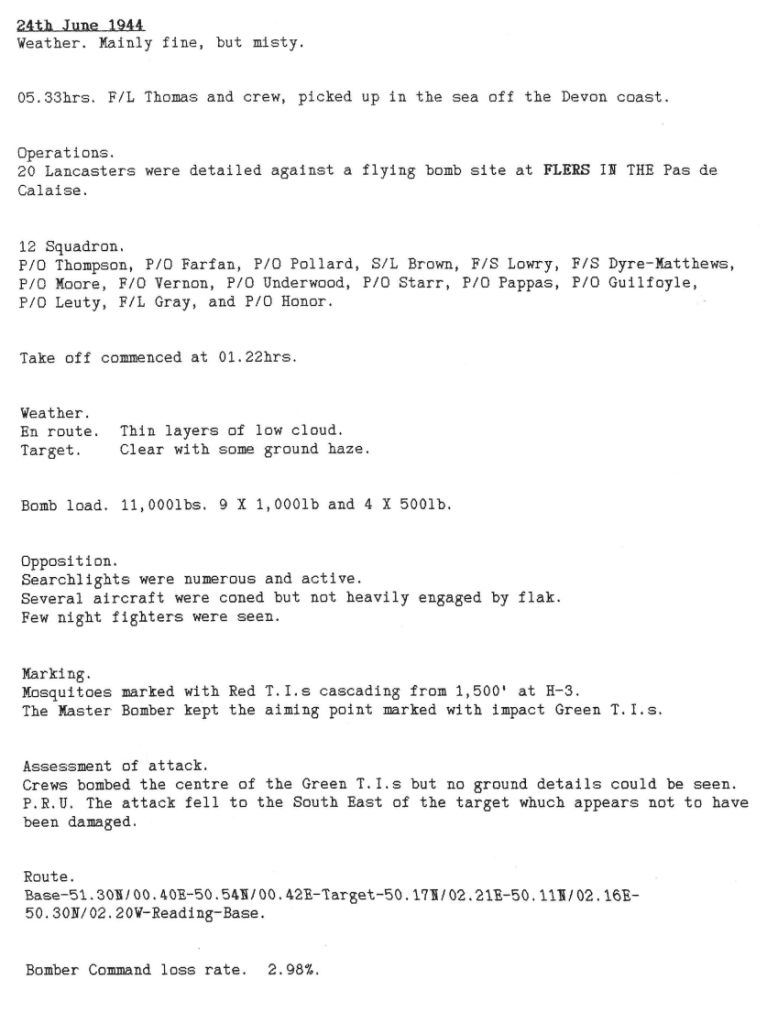
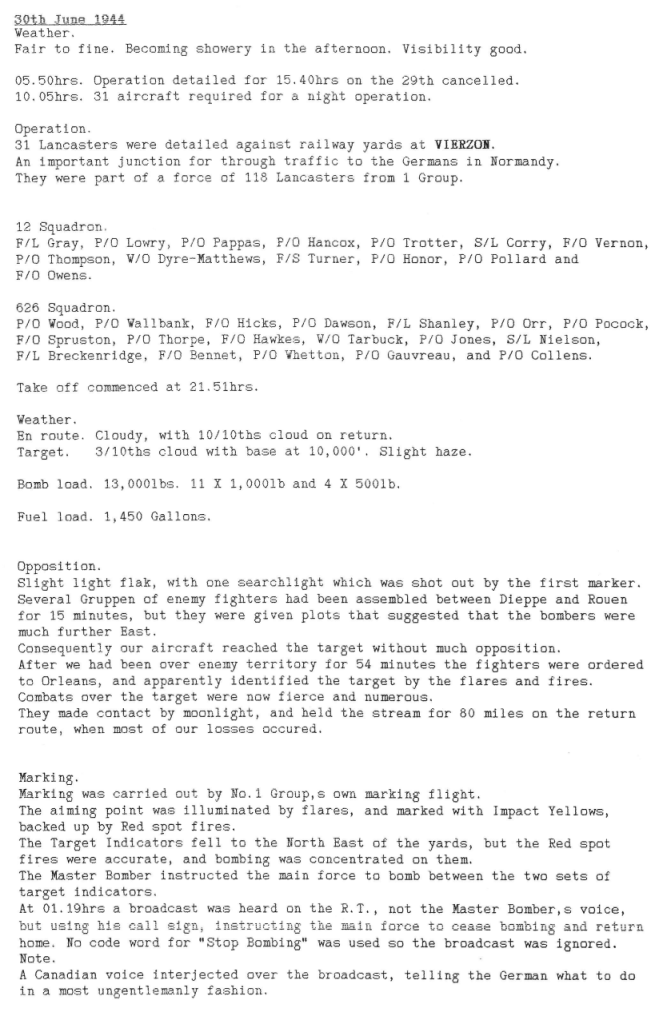
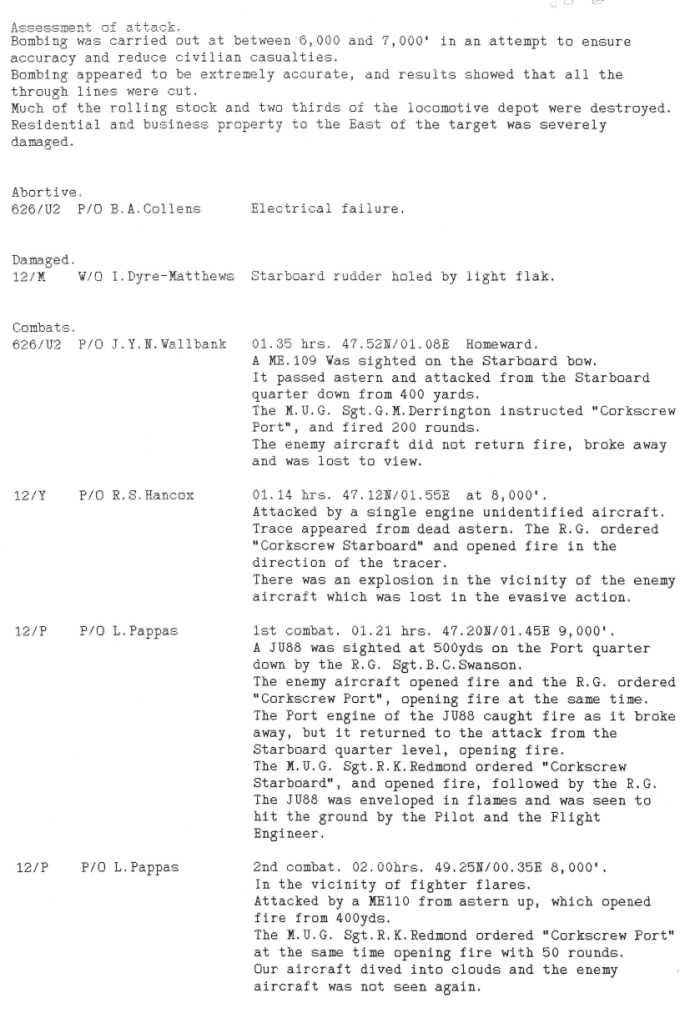
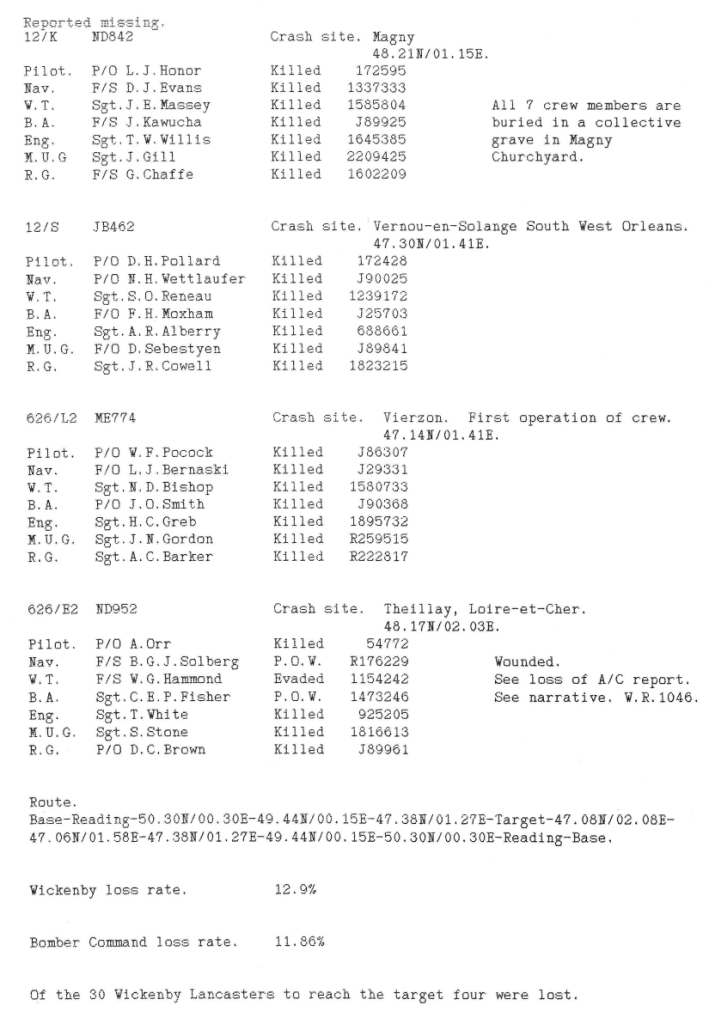
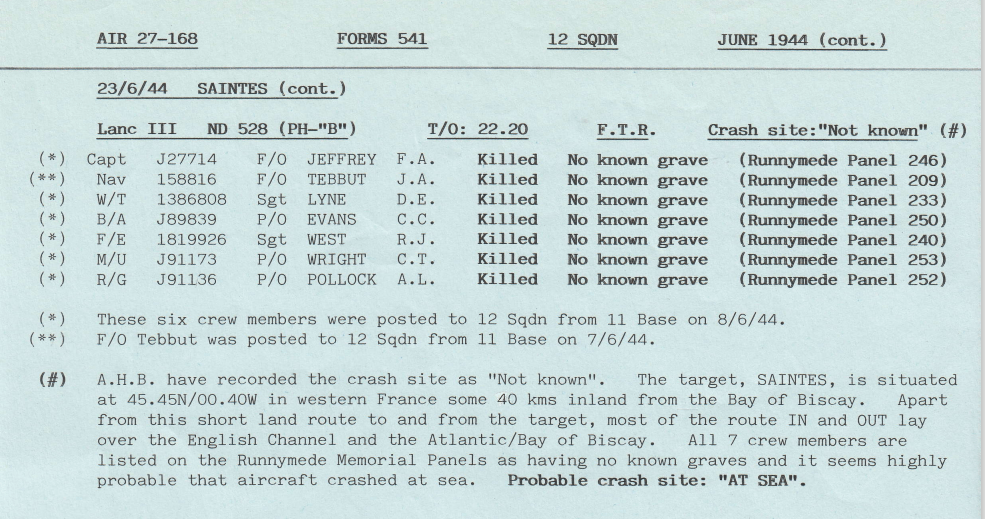
Several attacks by 12 and 626 Sqn’s on flying bomb sites this week – these sites had been bombed so much in recent days that it was becoming difficult to ascertain what damage was being caused. During the attack on Vierzon on 30 June, 4 aircraft were lost from Wickenby. In total, this week 6 aircraft were lost, 28 aircrew were killed, 9 became POW’s and 4 evaded capture.

Extract from Station Diary
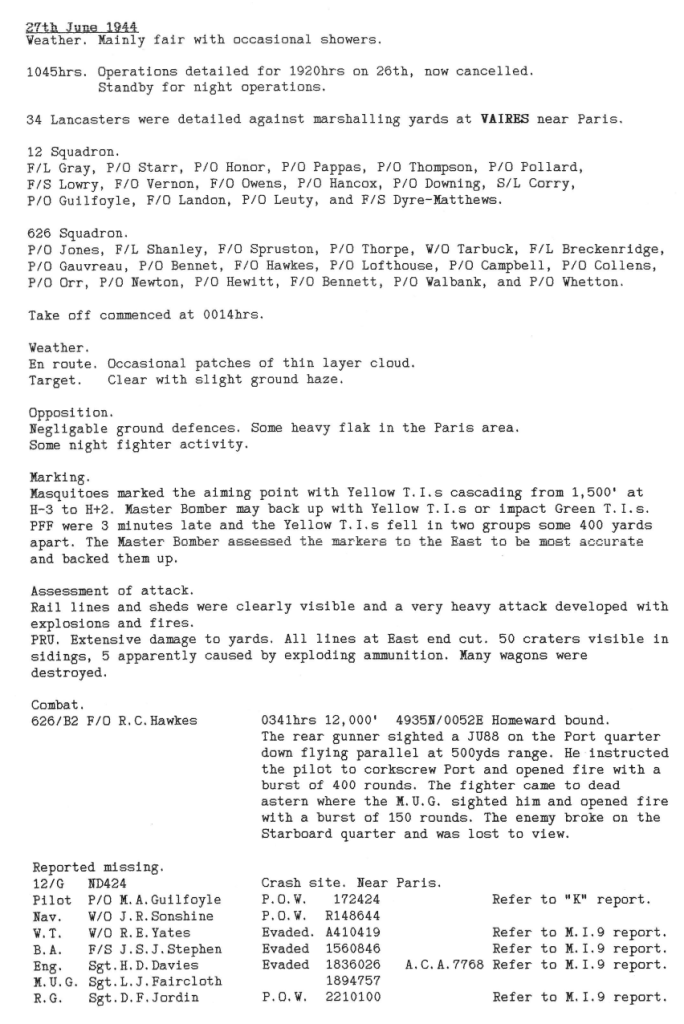
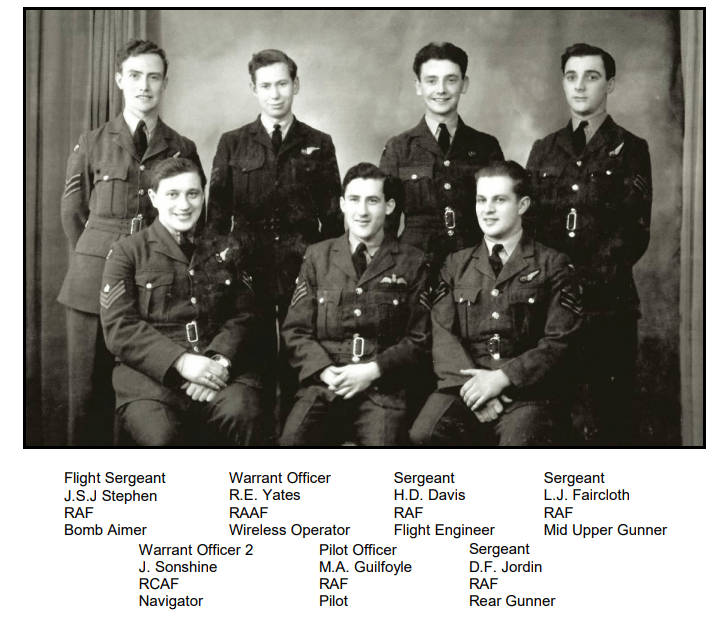
PO Mike Guilfoyle and his crew who were shot down during the attack on Vaires on 27 June.

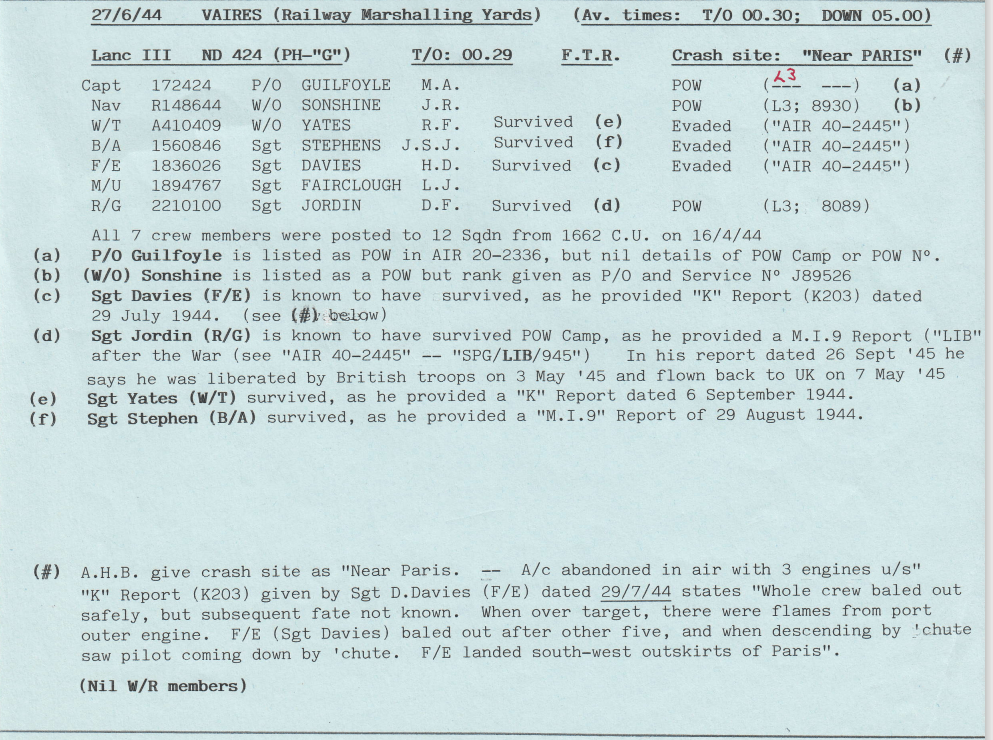
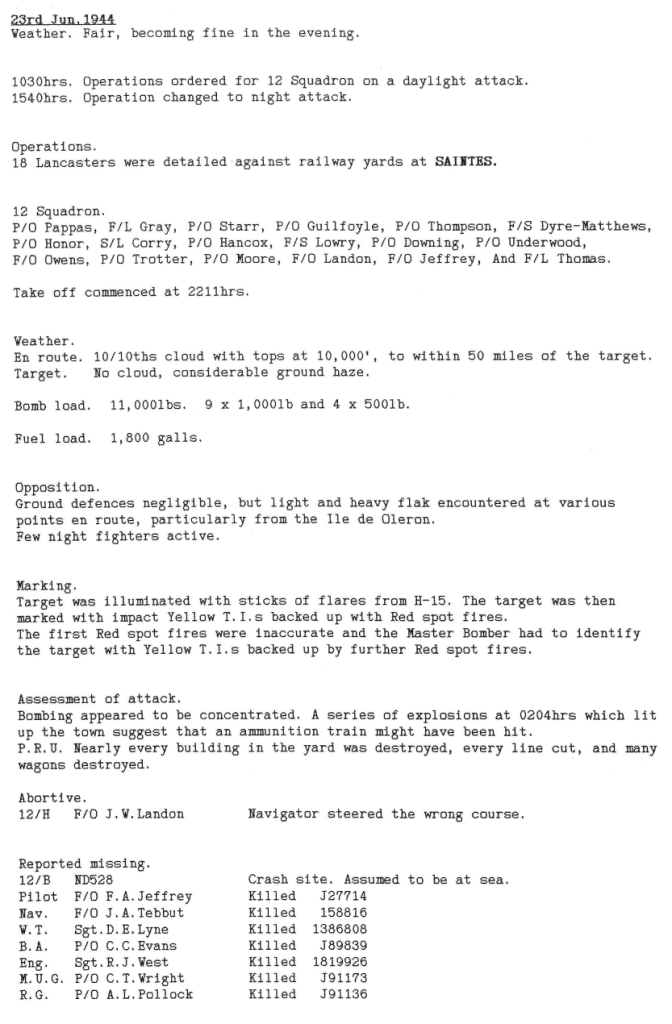
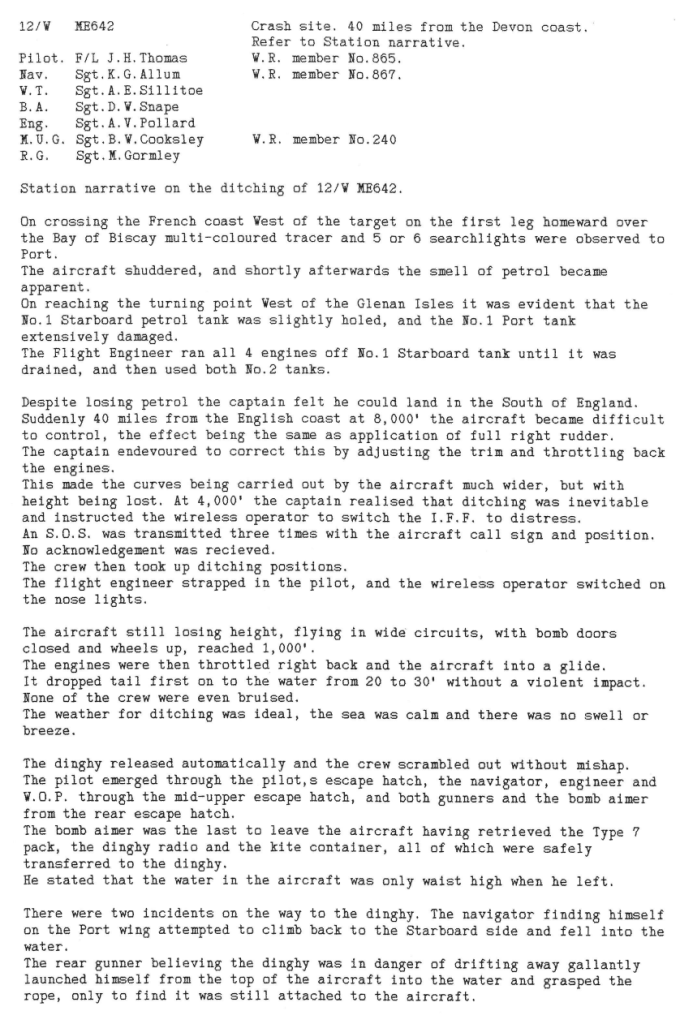
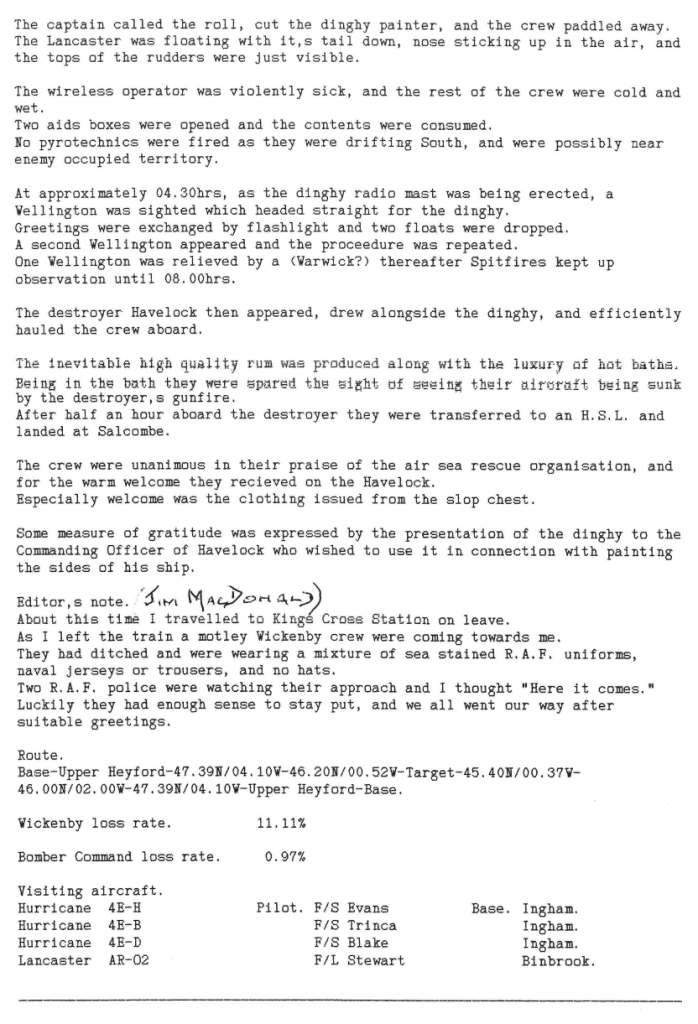
Extract from 12 Sqn Appendix to Operational Record Book

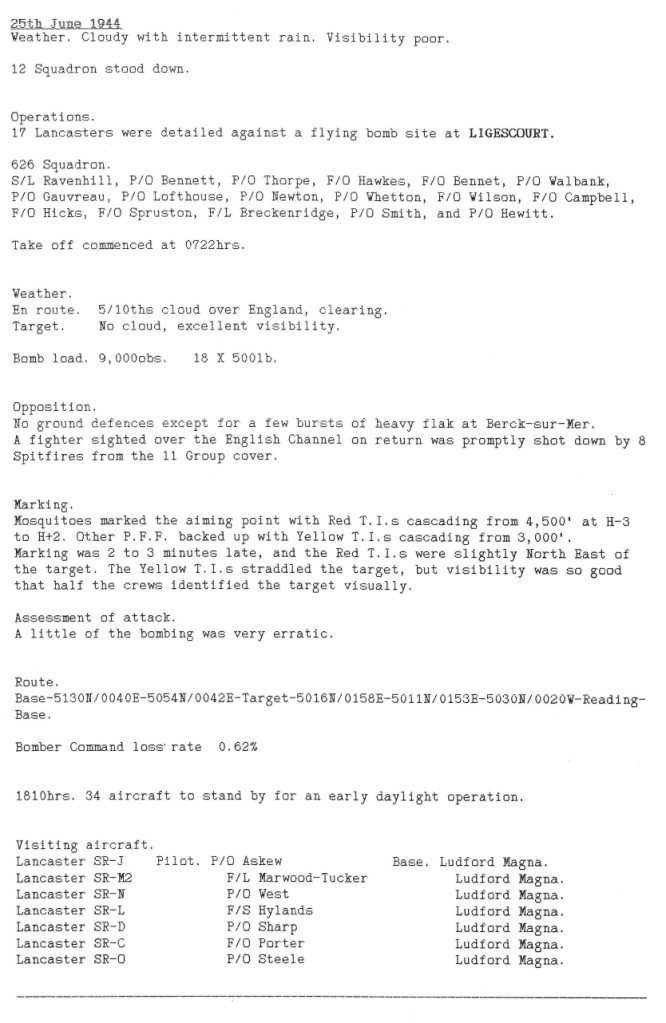
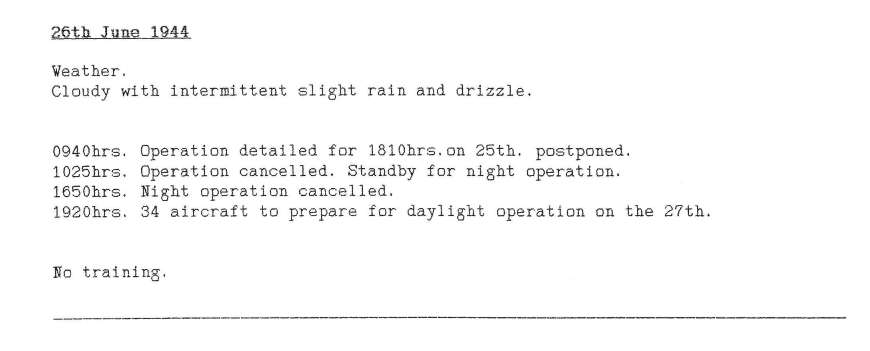
Extract from 626 Sqn Appendix to Operational Record Book

17-23 June 1944

Overview

RAF Wickenby squadrons continued to support the Allied landings in Normandy and also attacked V2 flying bomb sites in France. Four aircraft were lost, with 14 aircrew being killed – one aircraft ditched in the sea and all the crew were rescued and one crashed on landing at Wickenby but all the crew escaped.

You will note that squadrons were now flying during the day against specific targets and sometimes flying more than one mission per day.

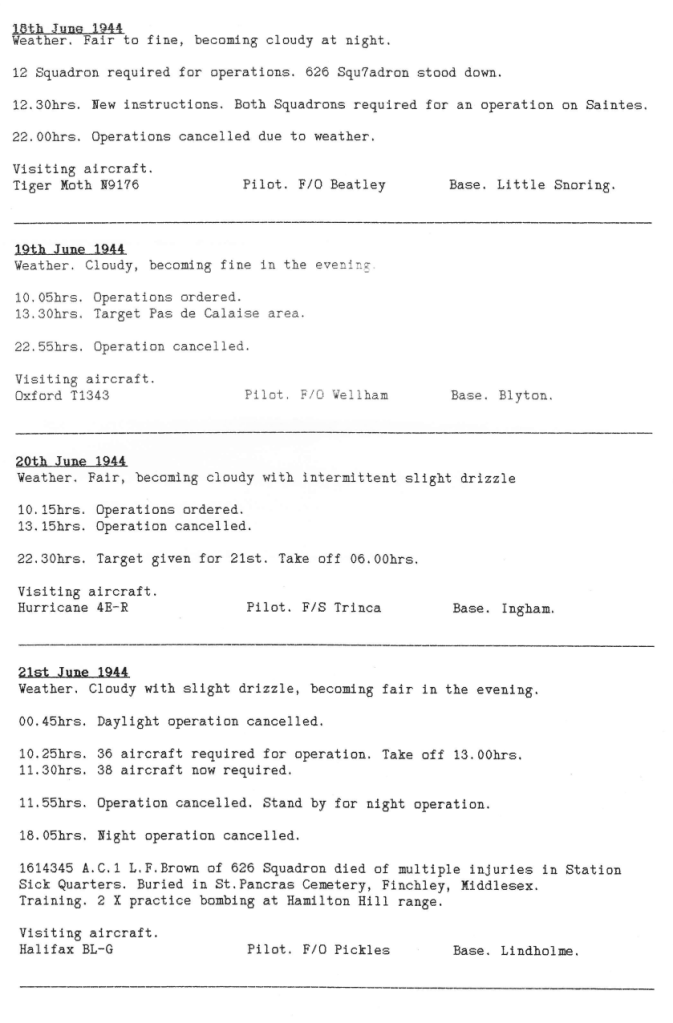
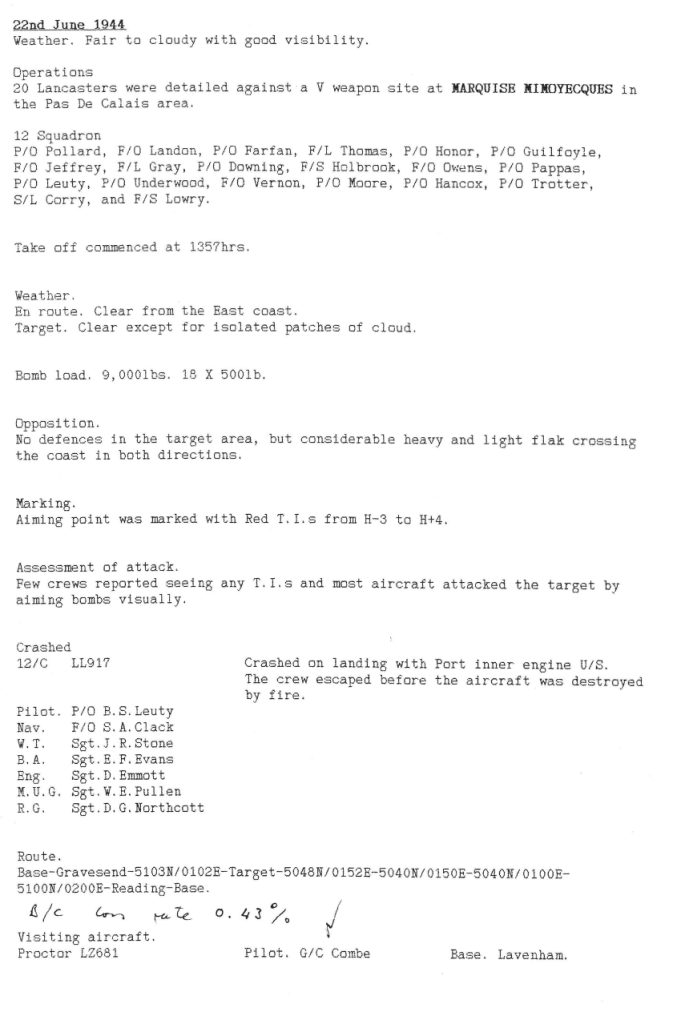
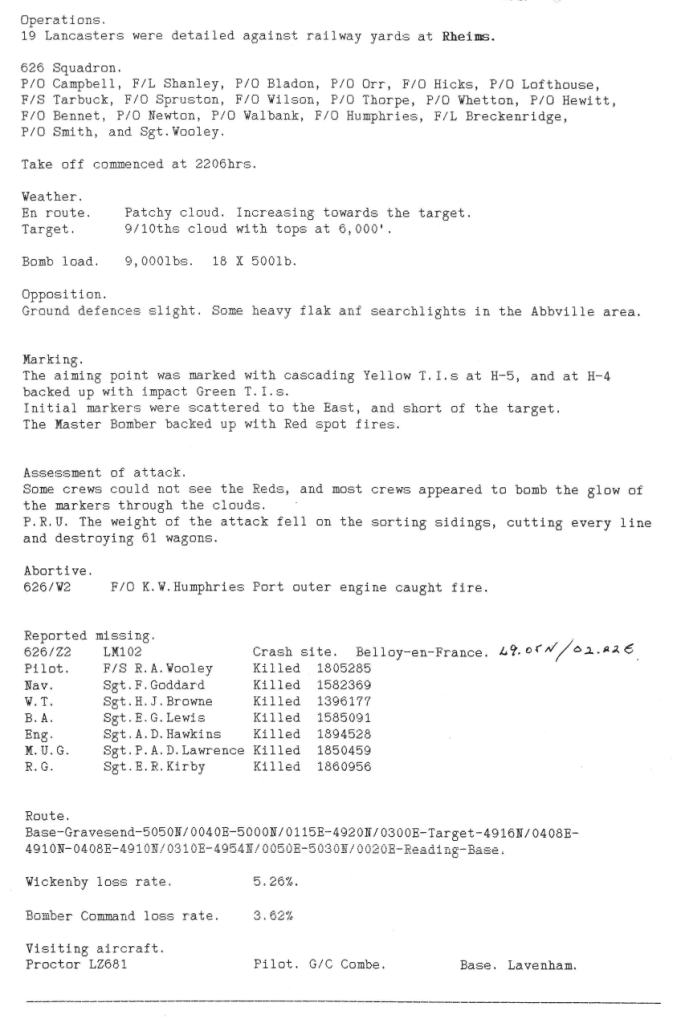
Extract from Station Diary

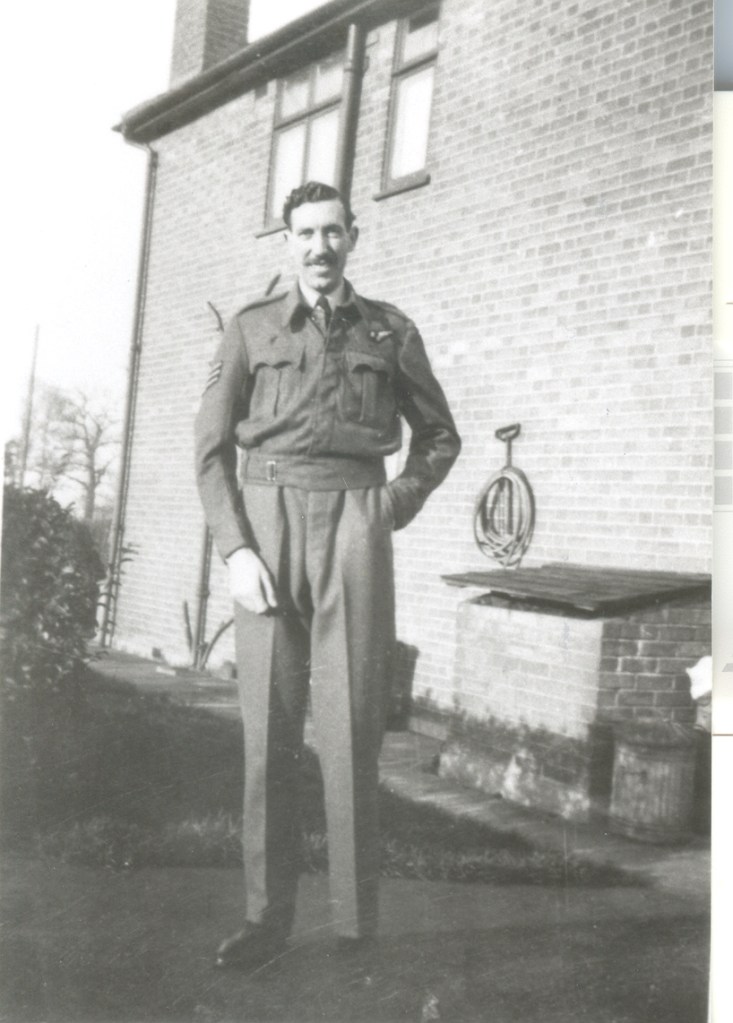
Flight Sergeant Robert Woolley, aged 20, the son of Jack & Emily Woolley of Hildenborough, Kent. He was the pilot of a 626 Sqn aircraft shot down during the attack on Rheims railway yards. All the crew were killed.
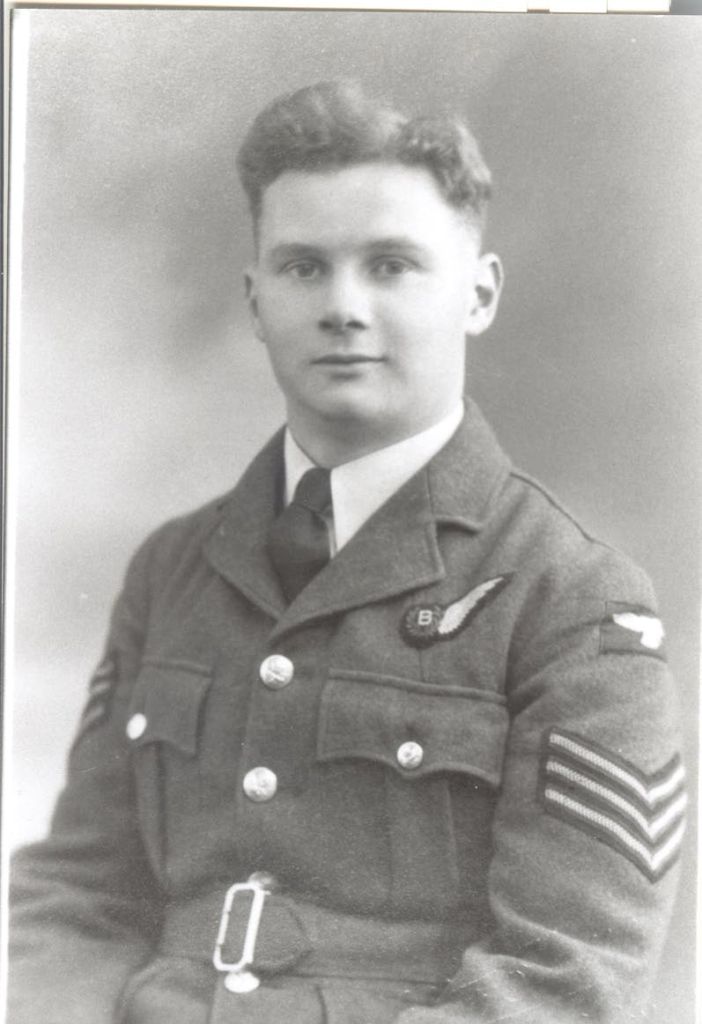
Sgt Alfred Hawkins, aged 28, the Flight Engineer on FS Woolley’s aircraft.
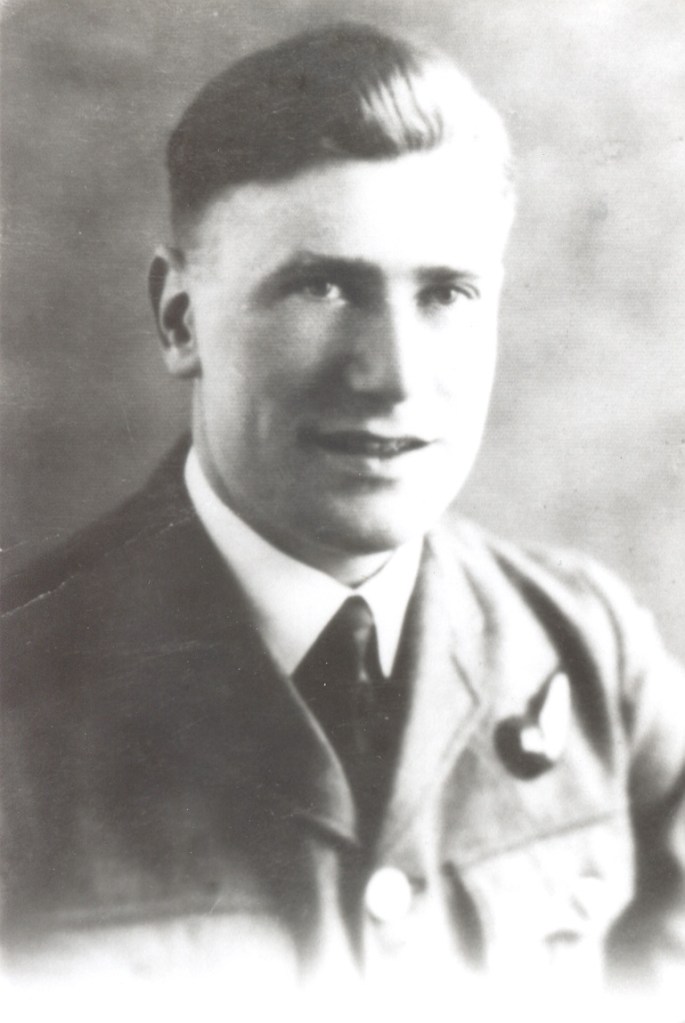
Sgt Ernest Lewis, aged 20, from Pembroke Dock, the bomb aimer on FS Woolley’s aircraft.
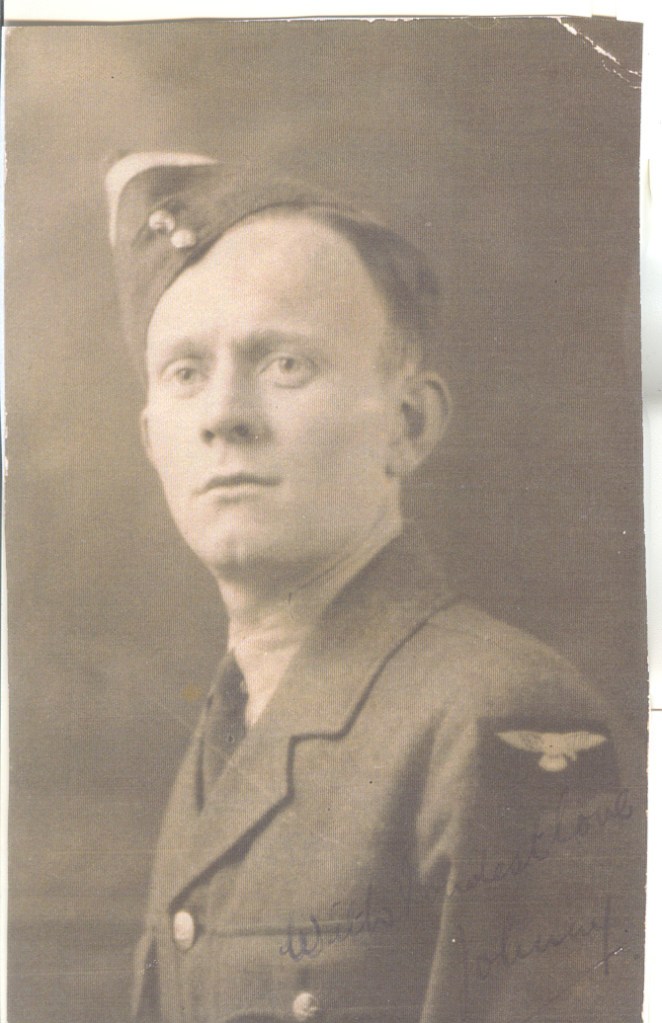
Sgt Frank Goddard, aged 23, the Navigator on FS Woolley’s aircraft.
Sgt Herbert Brown, aged 23, the Wireless Operator on FS Woolley’s aircraft.
Sgt Percy Lawrence, aged 20, the mid-upper gunner on FS Woolley’s aircraft.

Extract from 12 Sqn Appendix to Operational Record Book

Extract from 626 Sqn Appendix to Operational Record Book

10-16 June 1944

Overview

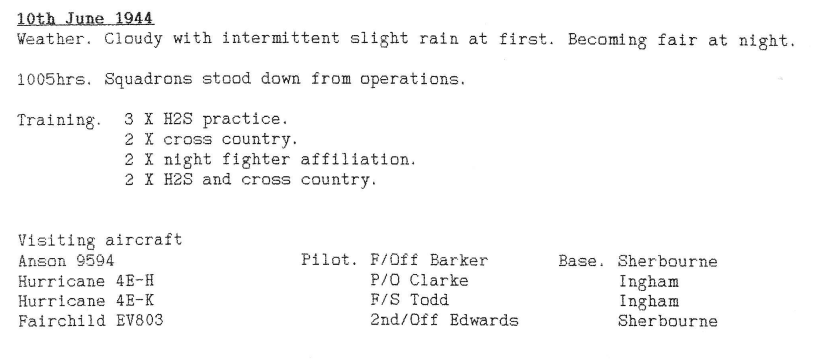
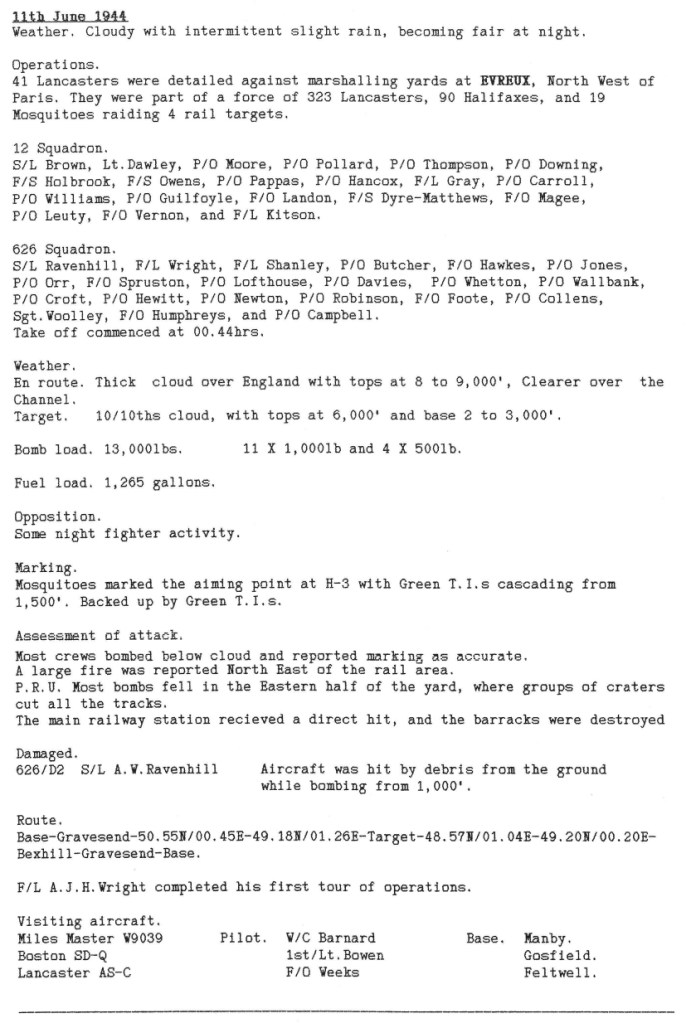
Wickenby continued to provide support to the landings in Normandy but also carried out one attack to Gelsenkirchen, where an experienced crew was lost. That attack was to knock out the Nordstern synthetic oil plant and was very successful due to a more advanced version of Oboe being used to obtain more accurate bombing.

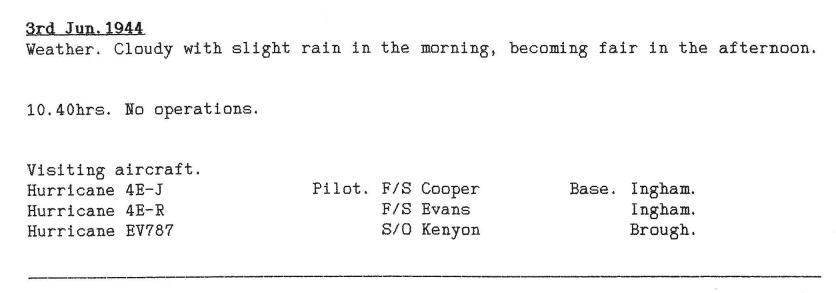
Extract from Station Diary
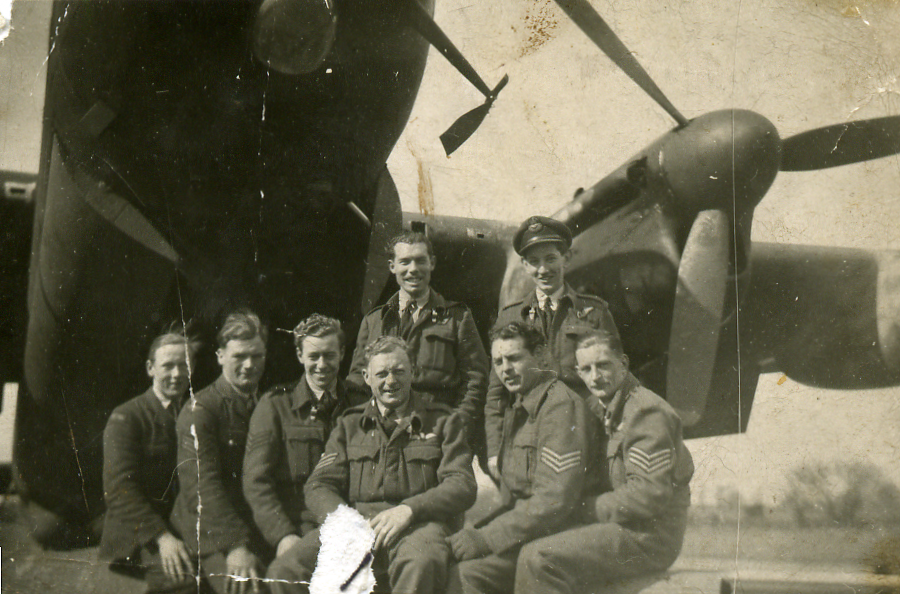
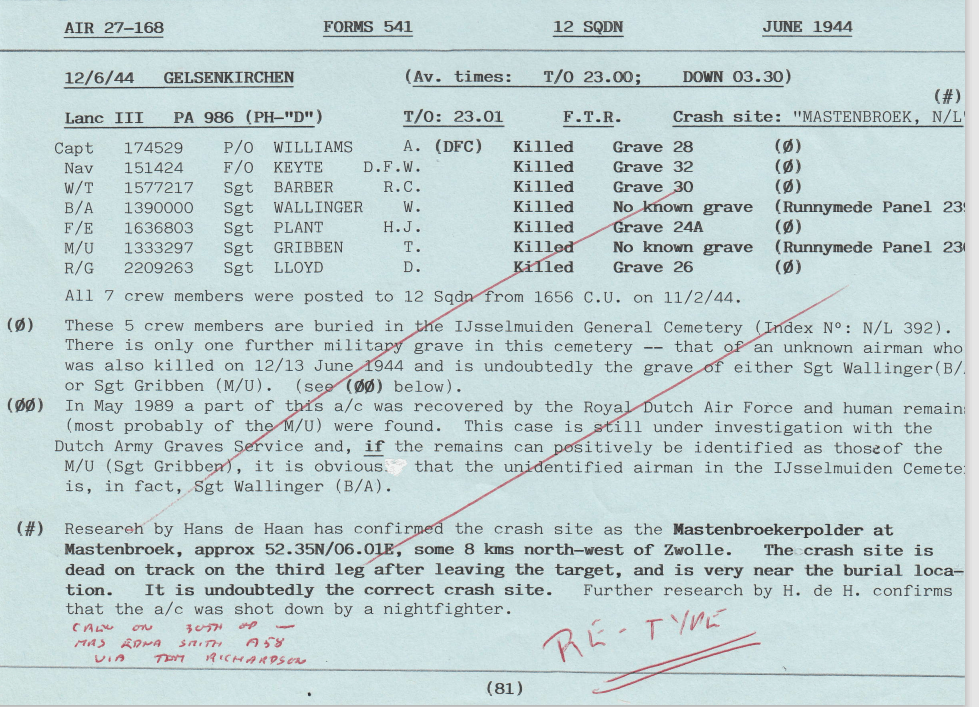
Pilot Officer Albert Williams DFC, aged 23, and his crew, who were all killed during the attack on Gelsenkirchen (it is believed the person front extreme left is a member of groundcrew). The bodies of only 5 crew members were initially found, until the crash site was excavated by the Dutch air force in 1989 when the remains of the final 2 crew were discovered and interred. The body of Sgt Thomas Gribben was found still in the mid-upper turret.
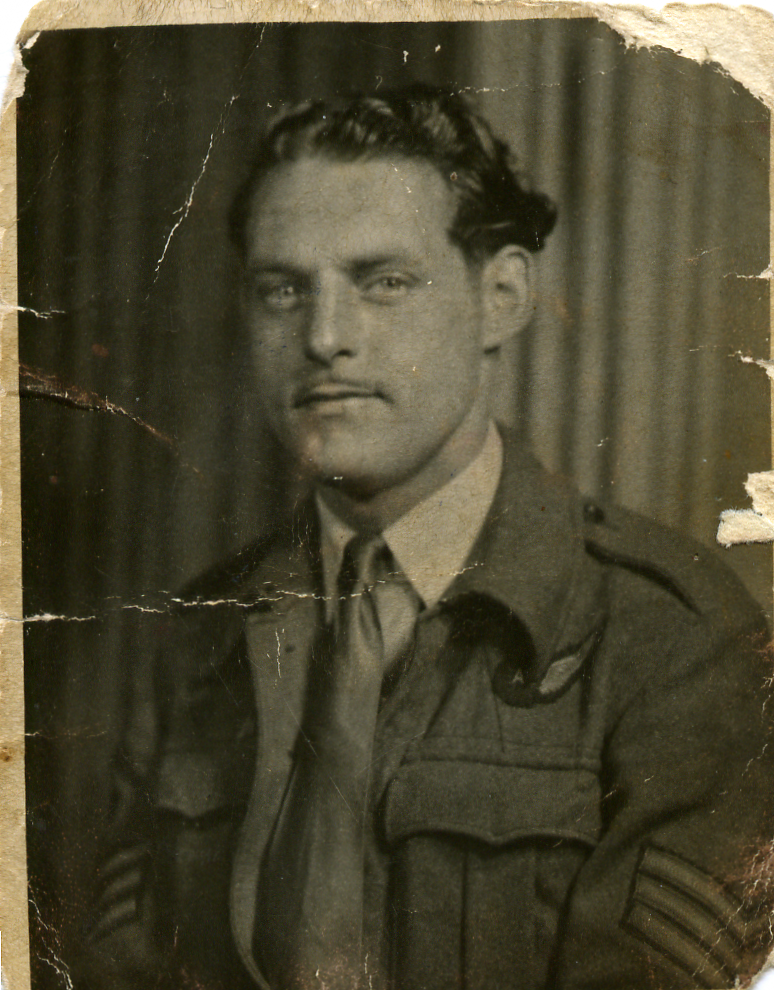
Sgt Raymond Barber, the Wireless Operator in PO Williams’ aircraft. His wife, LACW Lilian Barber, was also stationed at Wickenby, but was discharged on compassionate grounds following the death of her husband.

Extract from 12 Sqn Appendix to Operational Record Book

3-9 June 1944

Overview

The week of D-Day, the long awaited seaborne invasion of France by the largest flotilla ever assembled. During this week, Wickenby squadrons attacked targets on the coast and inland, helping to disrupt German supplies and troop concentrations. An indication of the importance of these attacks is the number of aircraft able to join the attacks (39 on one occasion, out of 40 on the station) and the low number of early returns.

There were no losses for 12 and 626 Sqn’s this week.

Extract from Station Diary

20-26 May 1944

Overview

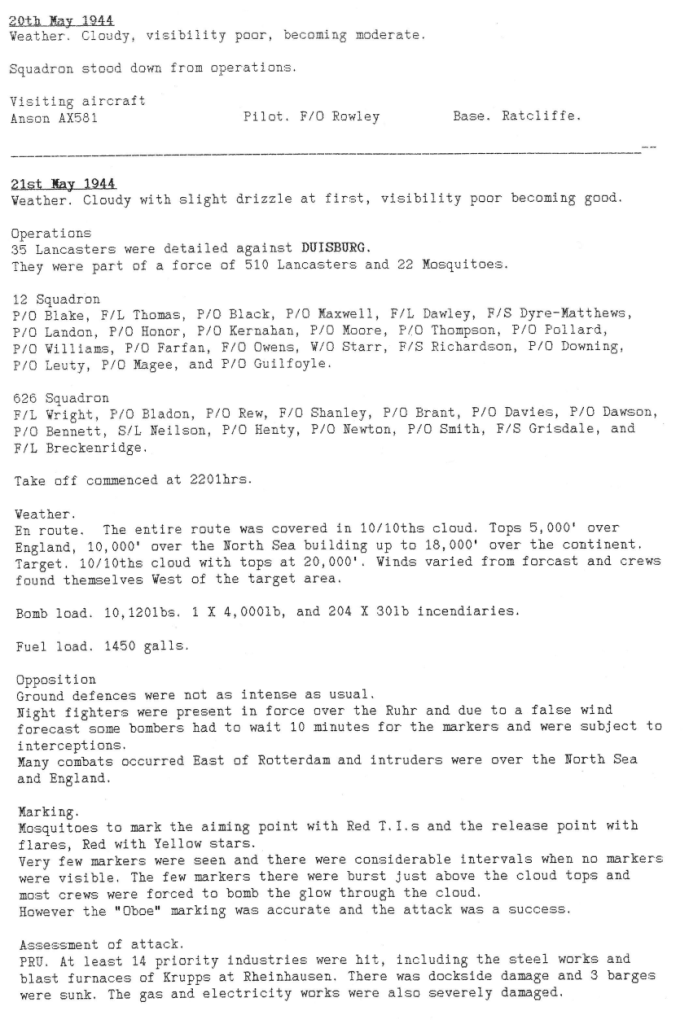
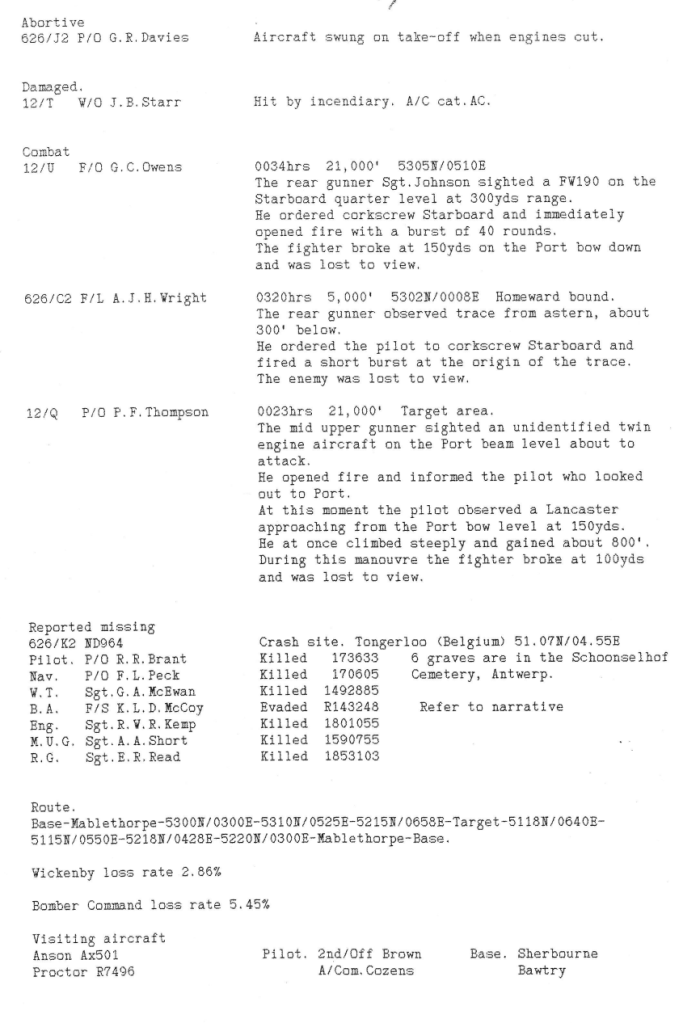
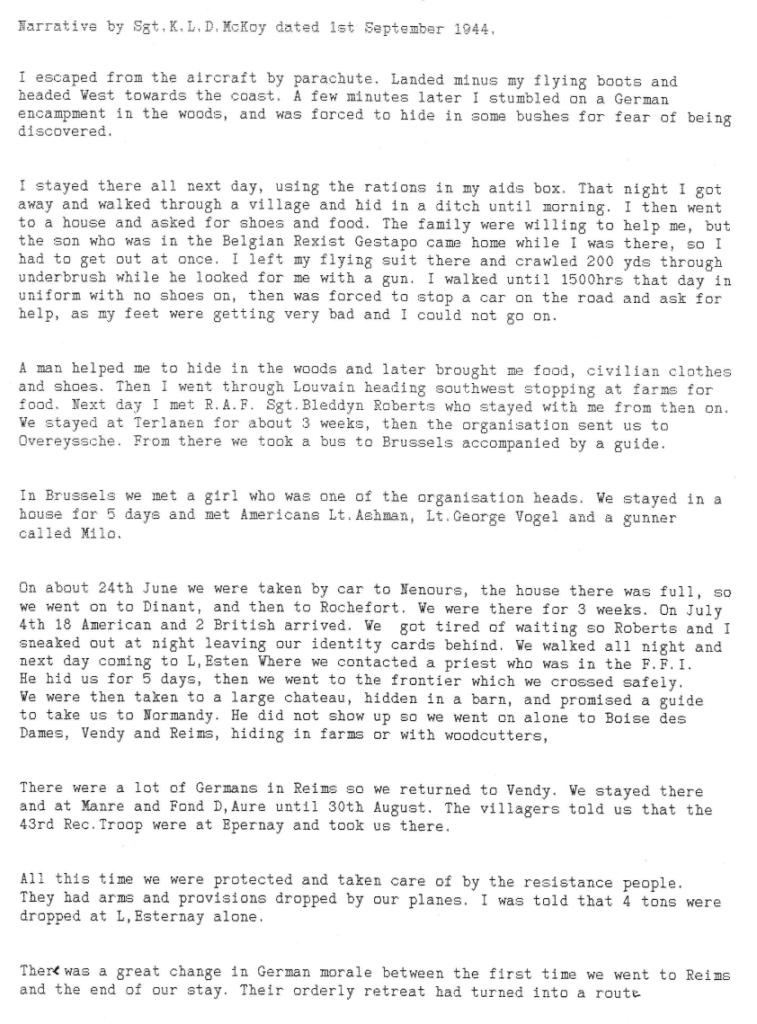
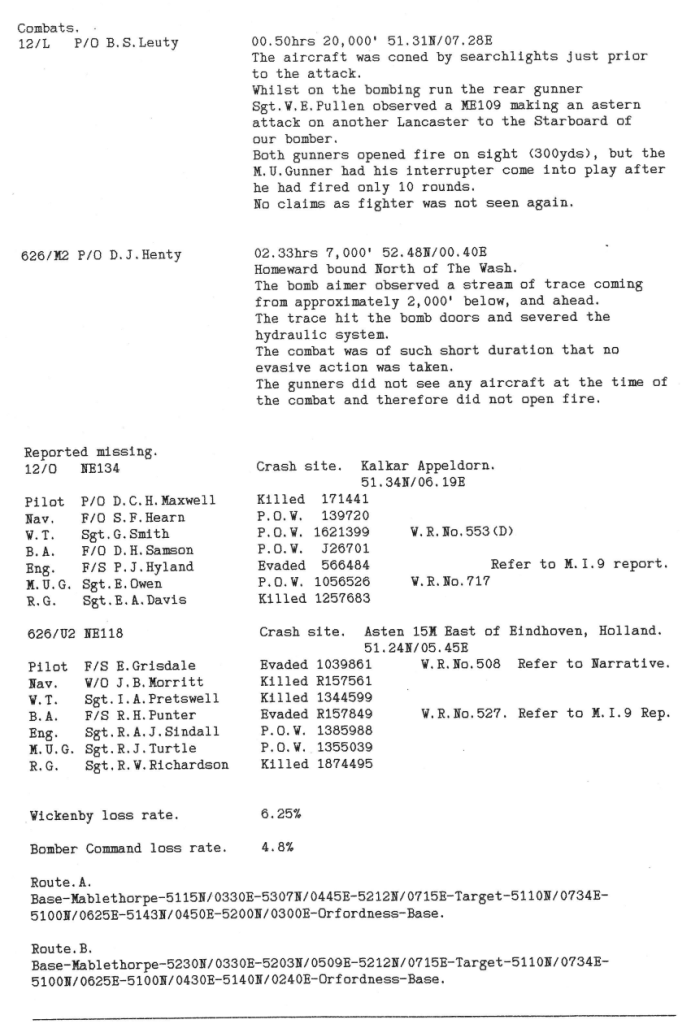
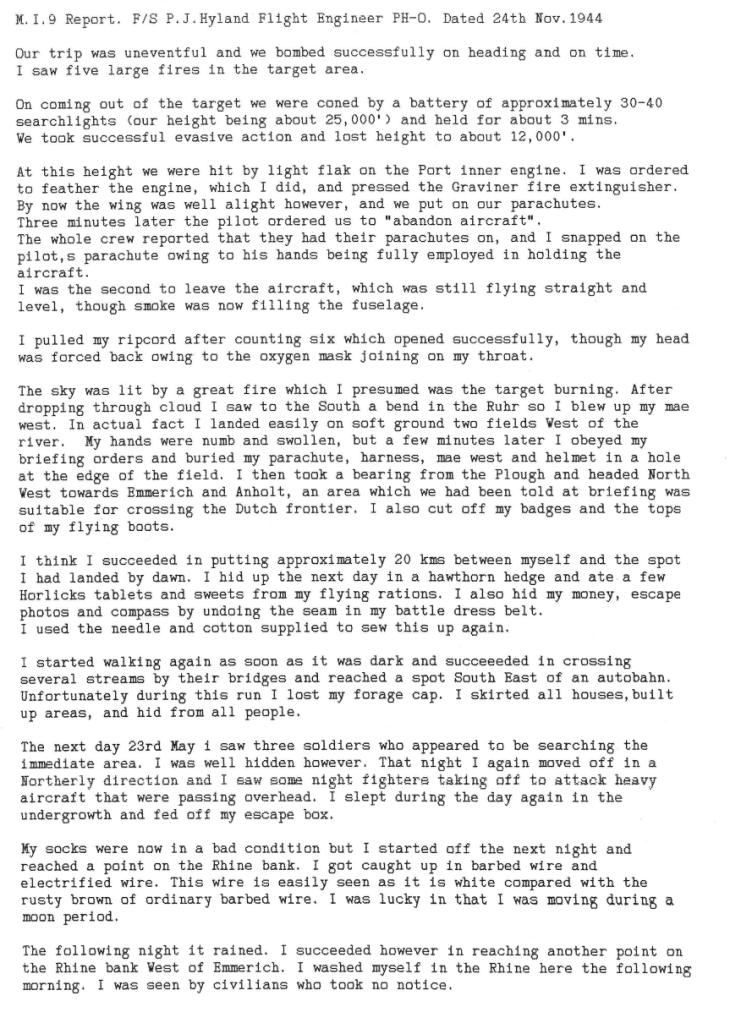
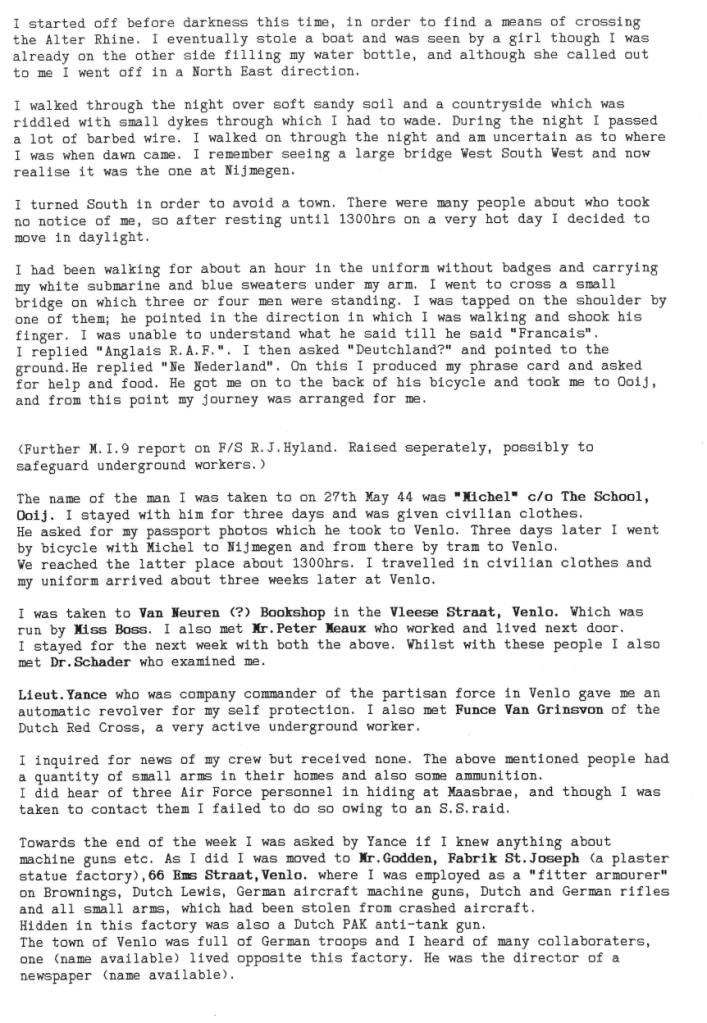
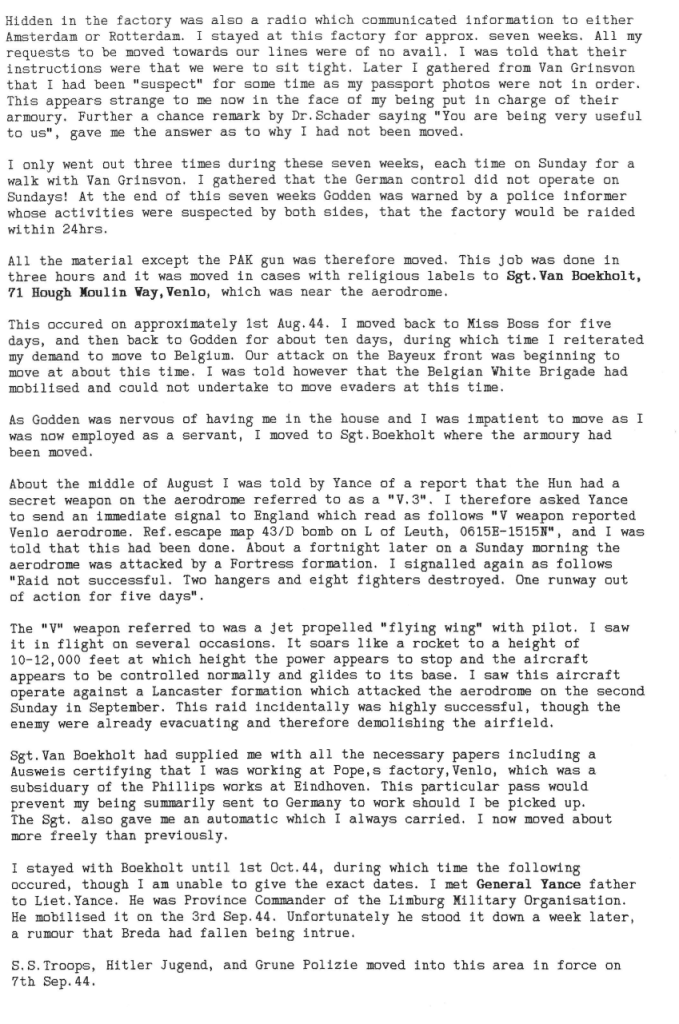
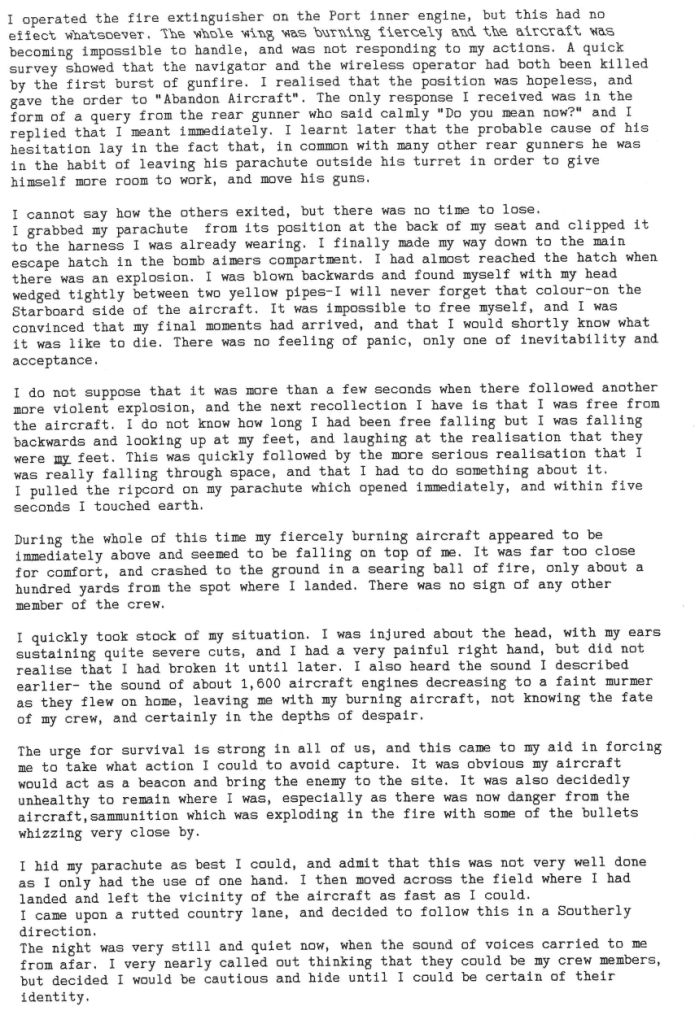
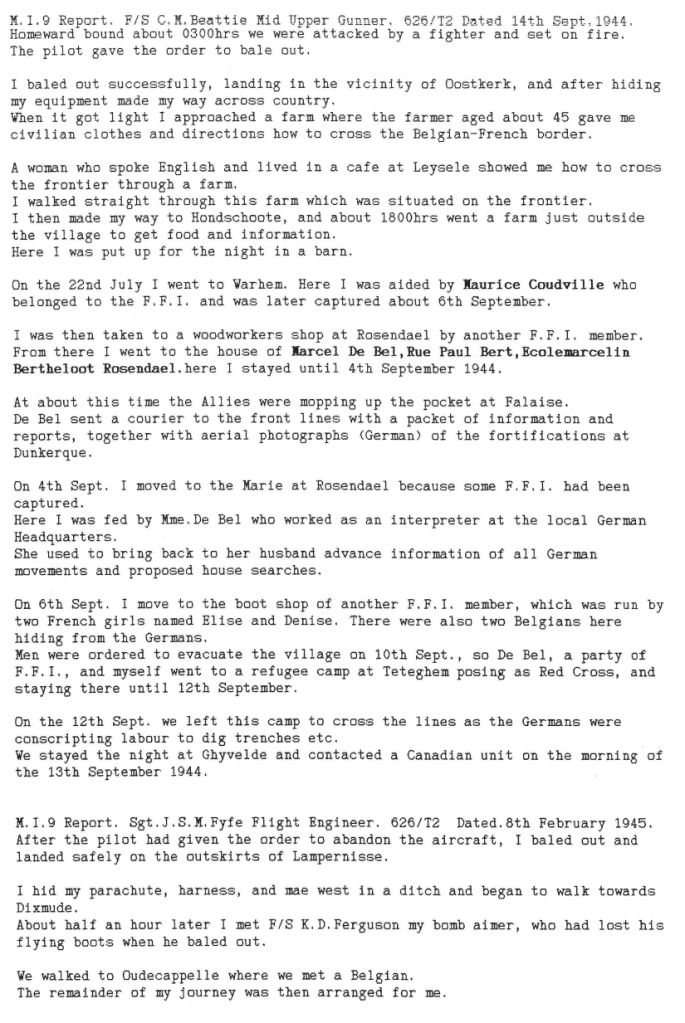
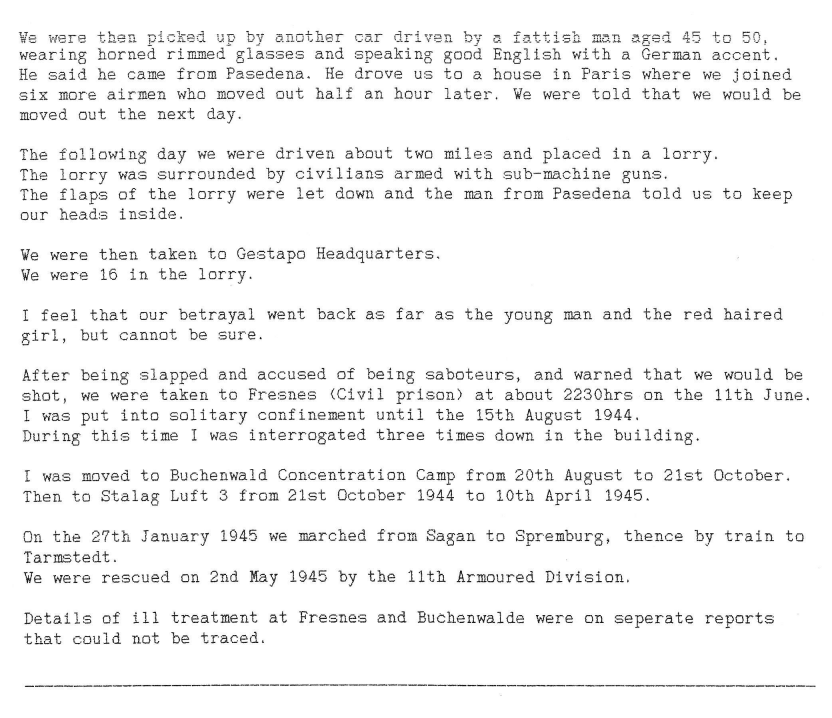
Aircraft from Wickenby took part in 3 raids this week, all to targets in Germany: Duisburg, Dortmund and Aachen. 3 aircraft were lost, 11 aircrew were killed, 6 become POW’s and 5 evaded capture. There are some very comprehensive reports below from some of those who evaded capture, helped by the imminent invasion of Europe by the Allied forces on 6th June and the very active resistance networks that had built up in the occupied countries.

Extract from Station Diary
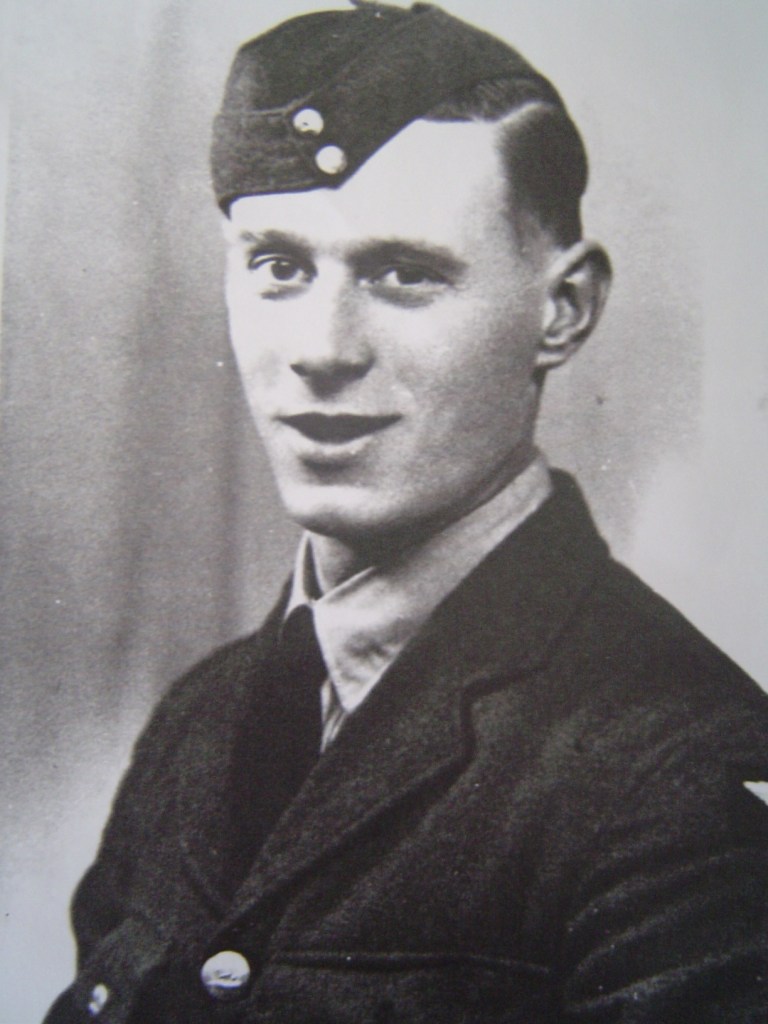
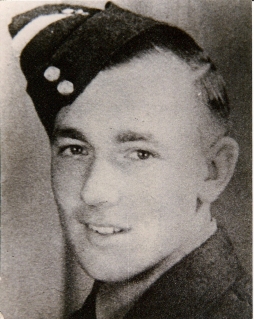
Sgt Robert William Kemp, aged 22, the Flight Engineer in Pilot Officer Brant’s aircraft, killed during the attack on Duisburg on the night of 21/22 May 1944
Sgt Anthony Arthur Short, aged 18, the son of Francis Louis & Grace Eliza Short of Chesterfield, Derbyshire – he was the mid-upper gunner in Pilot Officer Brant’s aircraft and was killed in the attack on Duisburg
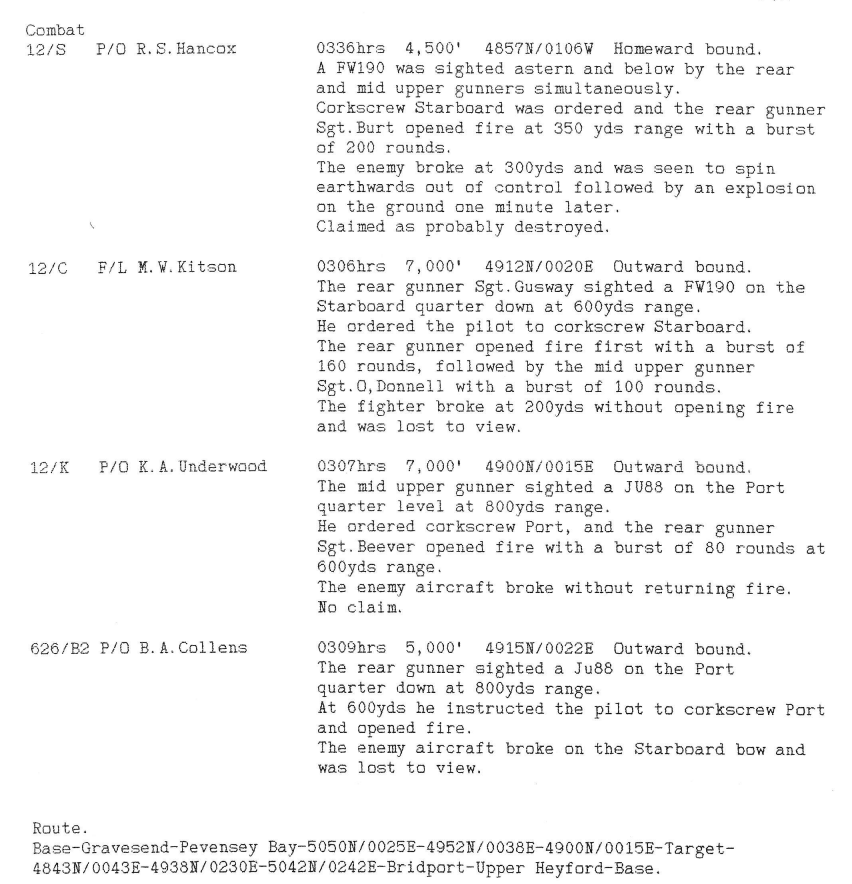
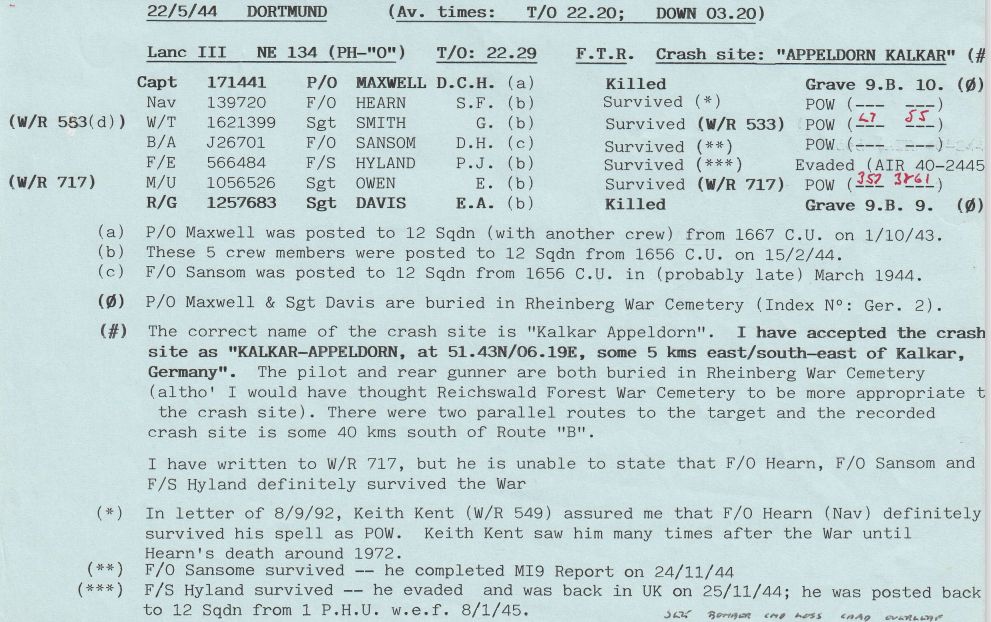
Extract from 12 Sqn Appendix to Operational Record Book

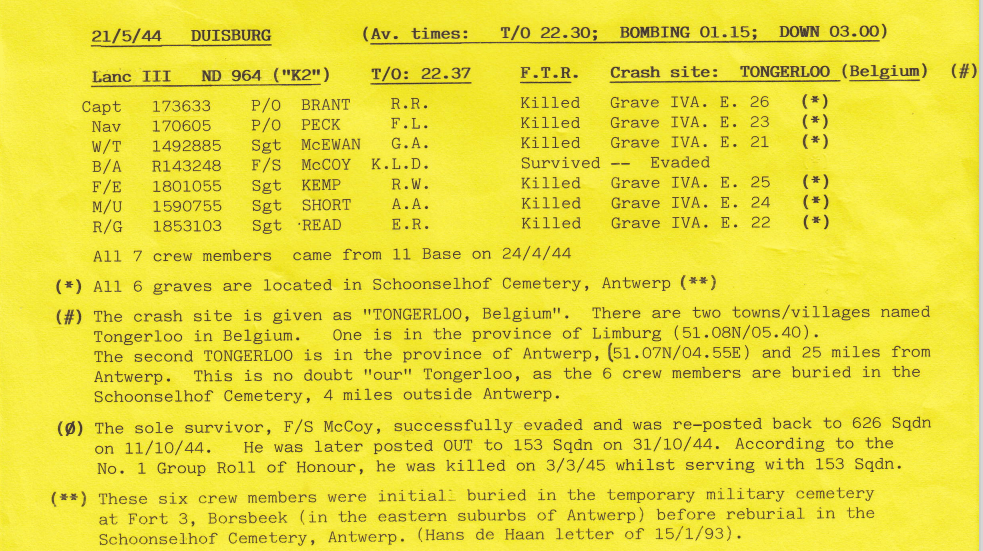
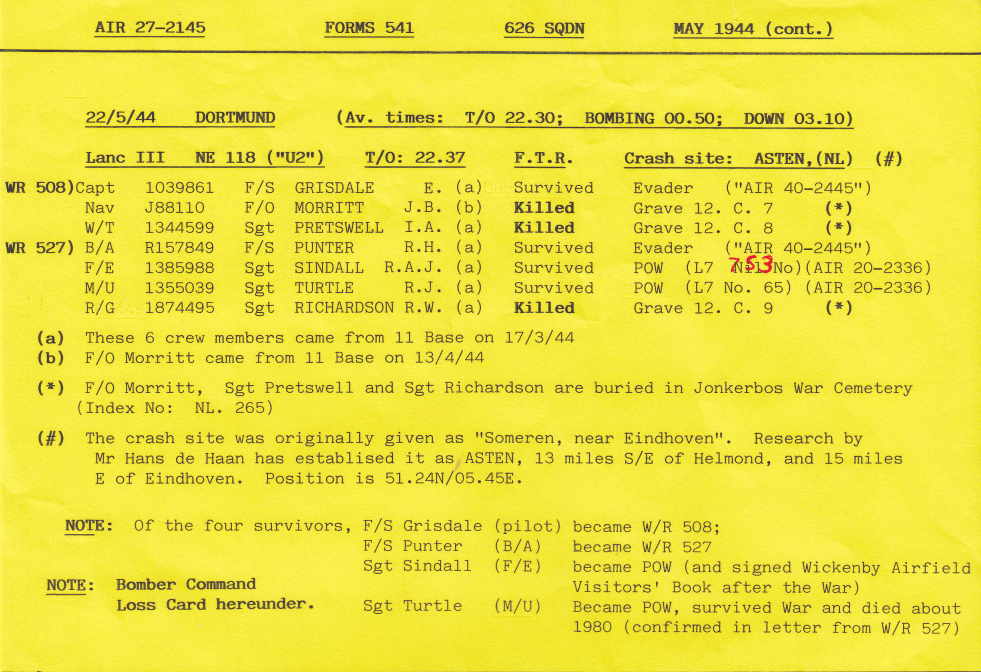
Extract from 626 Sqn Appendix to Operational Record Book